
What Is AAC Block Making Machinery?
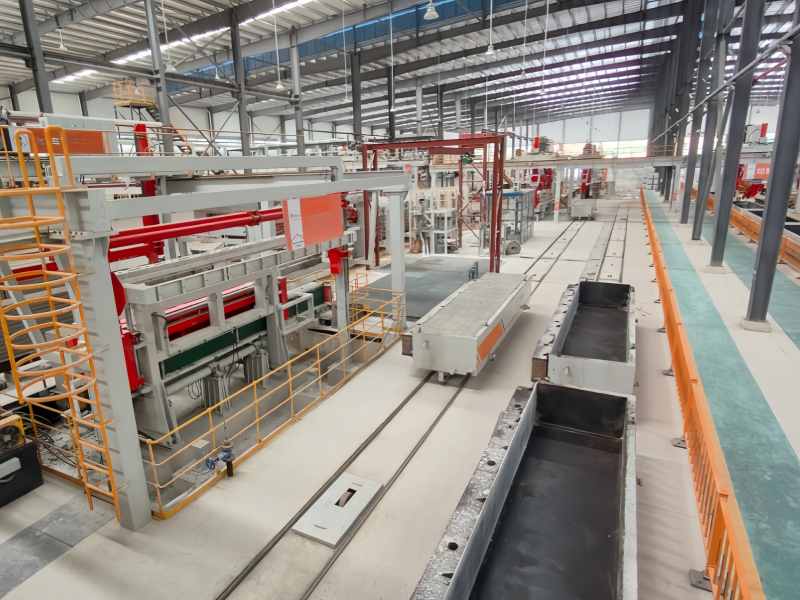
AAC block making machinery is not a single machine—it is a complete production system.
It covers the entire process from raw material handling to finished blocks, and each section must be designed to work in sequence.
A typical system includes:
- Raw material system — grinding fly ash or sand into stable slurry
- Mixing and dosing — controlling proportions for consistent reaction
- Casting system — pouring into molds and initiating expansion
- Pre-curing — reaching the right strength before cutting
- Cutting system — defining block size and surface quality
- Autoclave system — final curing under steam pressure
In practice, these are not independent machines. They are linked by timing and production flow.
Machinery for Different Plant Sizes
Capacity determines your entire equipment configuration.
| Capacity | Typical Setup | Suitable Scenario |
|---|---|---|
| 100,000 m³/year | Yarim avtomatik | Market entry |
| 150,000 m³/year | Balanced automation | Growing demand |
| 300,000 m³/year | Fully automatic | Large-scale supply |
What we usually tell clients:
- Don’t choose capacity based only on budget
- Choose based on market absorption and growth plan
A mismatch here leads to either idle capacity or lost opportunities.
Automatic vs Semi-Automatic Comparison
This is one of the most common decisions.
| Item | Semi-Automatic | Fully Automatic |
|---|---|---|
| Labor | Higher | Lower |
| Investment | Lower | Higher |
| Stability | Medium | High |
| Skill requirement | Higher | Lower |
| Output consistency | Moderate | High |
We usually suggest:
- Semi-auto → for smaller or developing markets
- Fully automatic → for stable demand and long-term operation
The key is not automation itself—it’s whether your operation can support it.
Equipment Used in AAC Block Making Machinery
1. Raw Material Handling Equipment
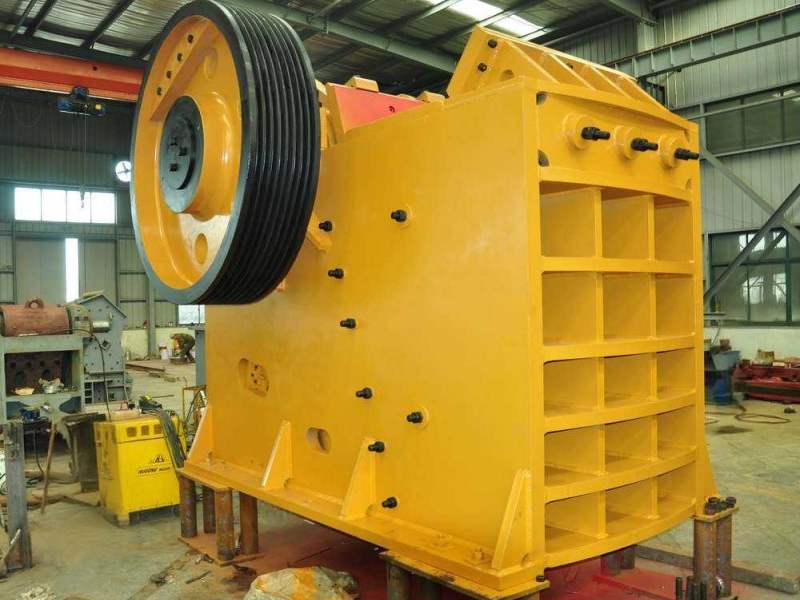
Crusher: Crushes raw materials such as sand and lime to the specified particle size. Jaw crushers are used for hard materials, and impact crushers are used for fine crushing.
Screener: Uses vibratory screening to remove impurities and make sure raw material particles are uniform in size.
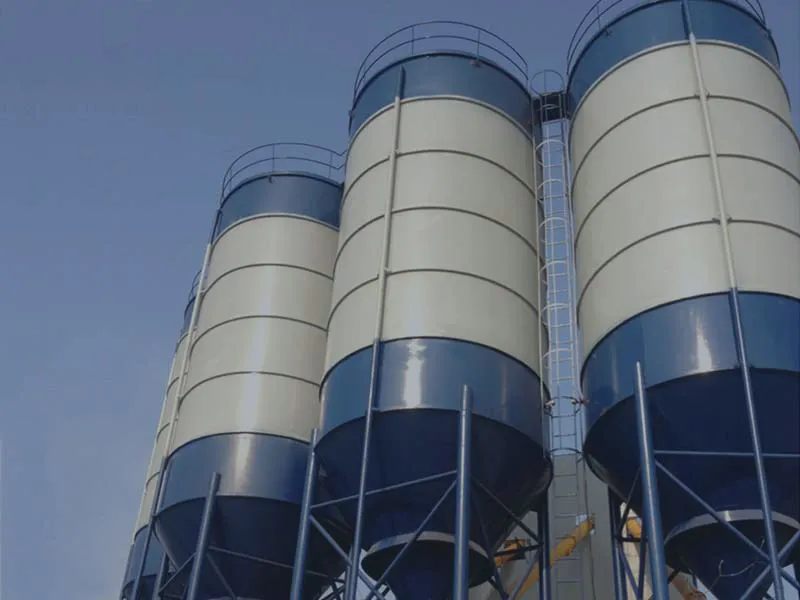
Storage Silo: Stores pre-treated raw materials. It has a level meter and dust removal device to keep production running continuously and meet environmental protection requirements.
Weighing Scale: Belt or spiral scales accurately measure raw material quantities to minimize formulation errors.
2. Mixing and Foaming Equipment
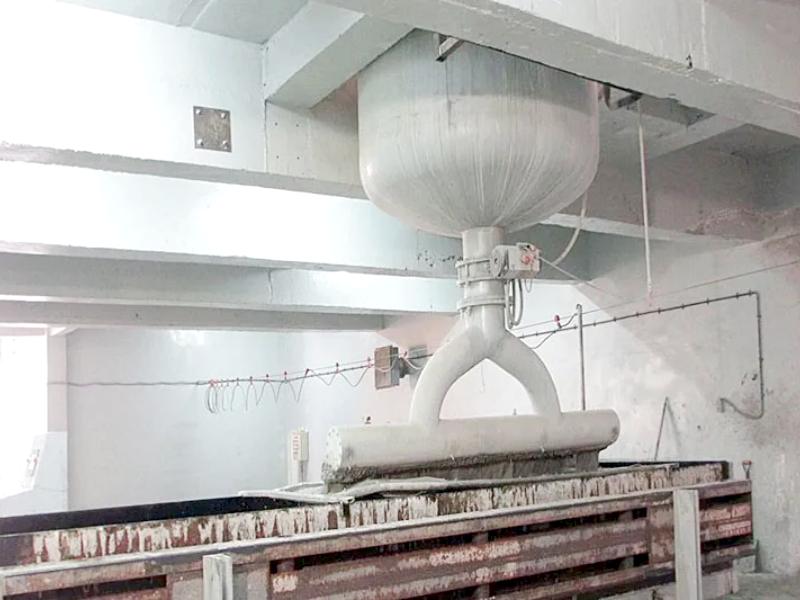

Forced Mixer: Mixes solid raw materials and water at high speed to form a uniform slurry, laying the foundation for foaming.
Aluminum Powder Mixing Tank: Mixes aluminum powder suspension at low speed to prevent sedimentation and ensure uniform dispersion.
Foaming System: Aluminum powder suspension is injected in proportion to react with the slurry to generate bubbles, which are then linked to the mixer for automated control.
3. Casting and Forming Equipment
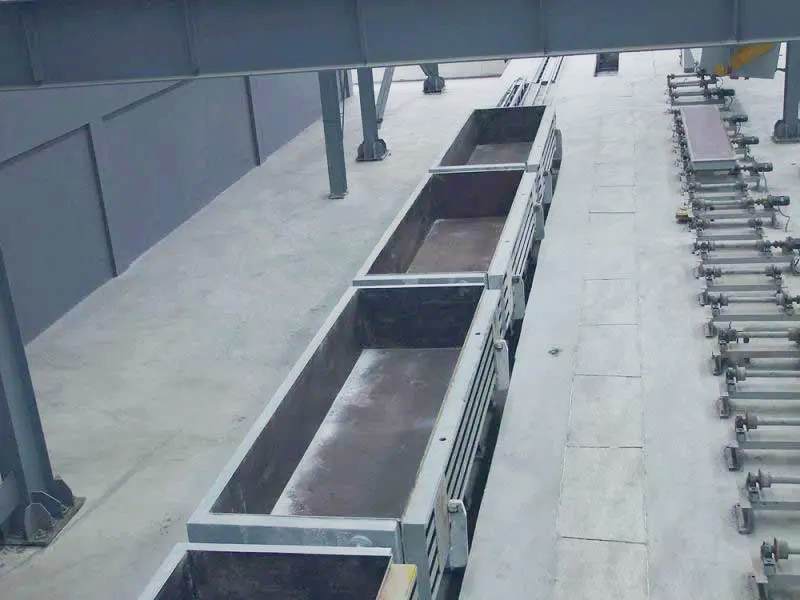
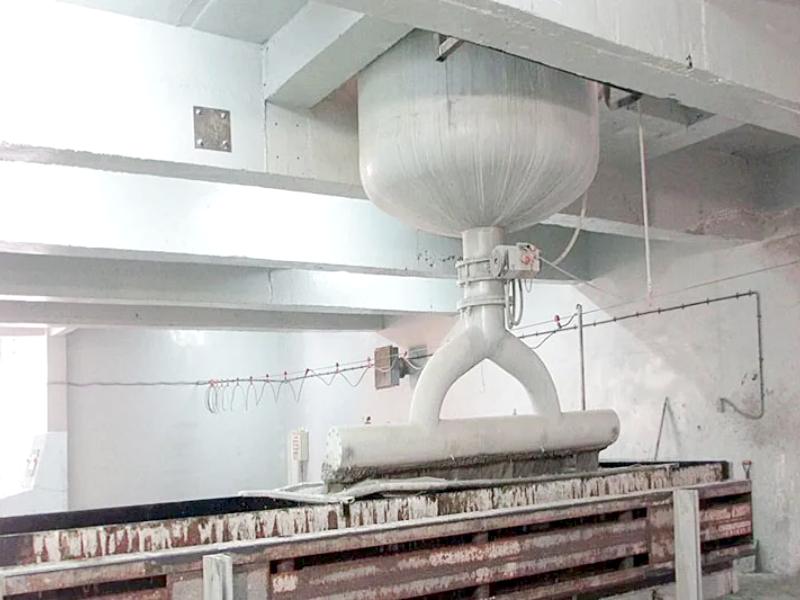
Molds: Custom-made high-strength steel with a special surface treatment, adjustable in size to accommodate different product specifications.
Casting Machines: Precisely control the slurry injection volume, and some are equipped with automatic travel to prevent material shortages or overflow.
Curing Chamber: A constant temperature and humidity environment ensures slurry aeration and initial setting, resulting in a uniform porous structure.
4. Cutting Equipment
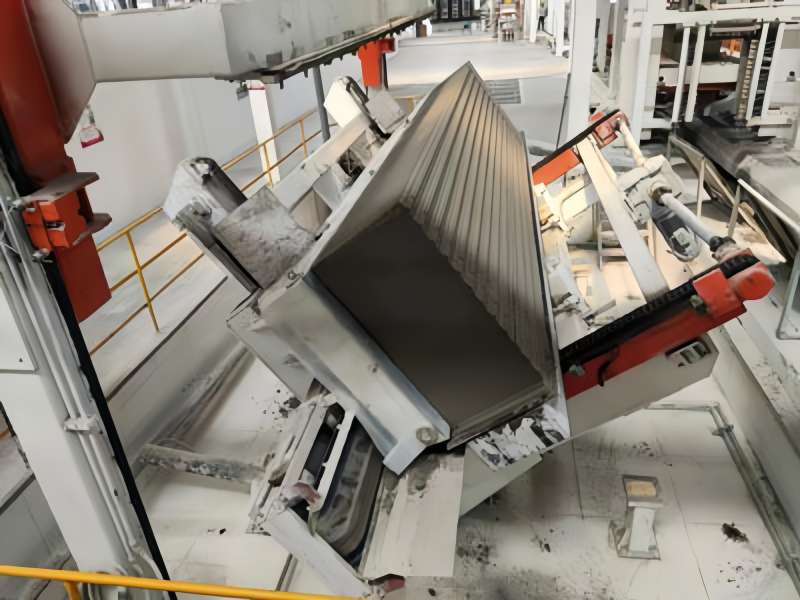
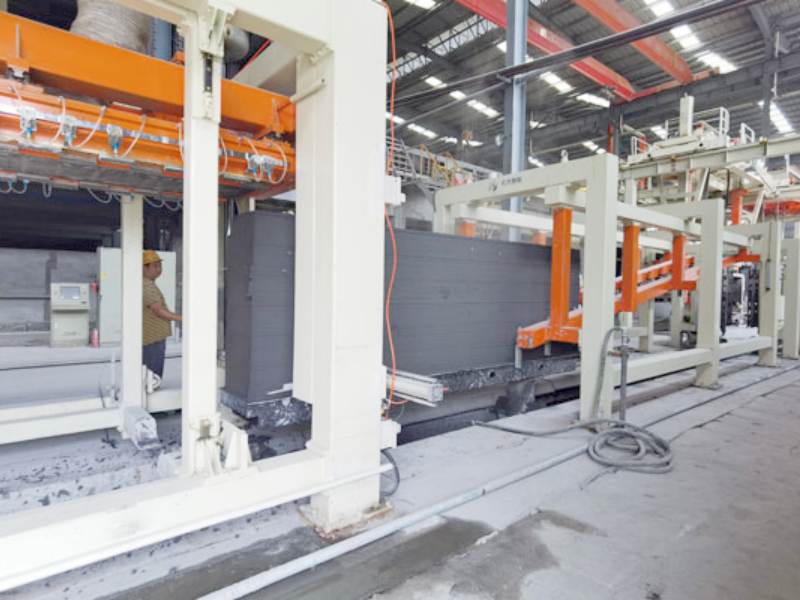
Turning Table: Driven by hydraulics, it rotates molds and blanks smoothly—this makes demolding and cutting easier.
Wire Saw: Uses multiple sets of high-strength steel wires for high-speed cutting. A CNC system ensures cutting accuracy down to the millimeter. For large wire saw equipment, it can do continuous cutting at multiple stations.
5. Autoclave Curing Equipment
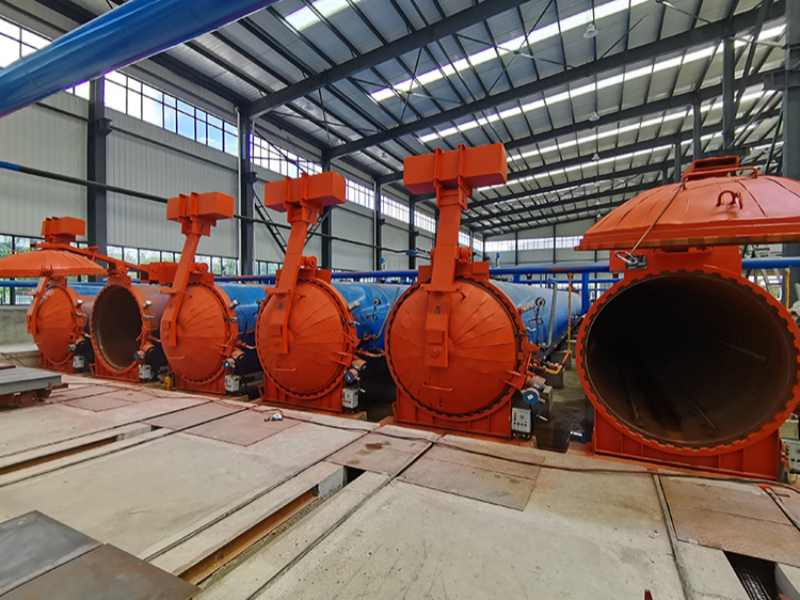

Autoclaves: Large pressure vessels cure blanks at temperatures of 180–200°C and pressures of 10–12 bar, forming high-strength calcium silicate hydrates. Equipped with safety interlocks.
6. Auxiliary Equipment
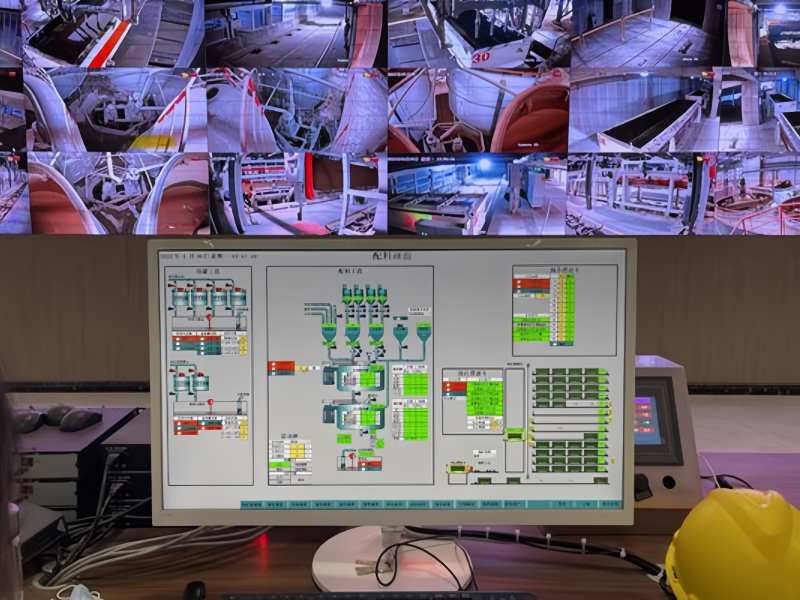

Steam Boilers: Supply stable steam for autoclaves and curing chambers, with various heating options available.
Air compressor: Provides compressed air for pneumatic equipment, ensuring valves, clamps, and other devices work properly.
Conveyor belt system: Transports materials through the entire process. Uses belt or chain conveyors (chosen based on material needs) for automated, continuous movement.
Nazorat tizimi: PLC or DCS systems monitor and adjust production parameters in real time. They record data for management and traceability, and help resolve issues promptly.
Investment & Profit Overview
AAC projects should always be evaluated with a full picture—not just equipment cost.
1. Typical Investment Range
| Capacity | Investment |
|---|---|
| 100,000 m³ | $2M – $3.5M |
| 150,000 m³ | $3.5M – $5M |
| 300,000 m³ | $7M – $10M+ |
2. Profit Reference
| Item | Value |
|---|---|
| Profit per m³ | $8 – $12 |
| Annual output (150k) | 150,000 m³ |
| Estimated annual profit | ~$1.2M – $1.8M |
| Payback period | 2–3 years |
What affects ROI most:
- Raw material cost
- Production stability
- Market price of blocks
In practice, stable production often matters more than saving on initial investment.
Real Case: From Small Plant to Expansion
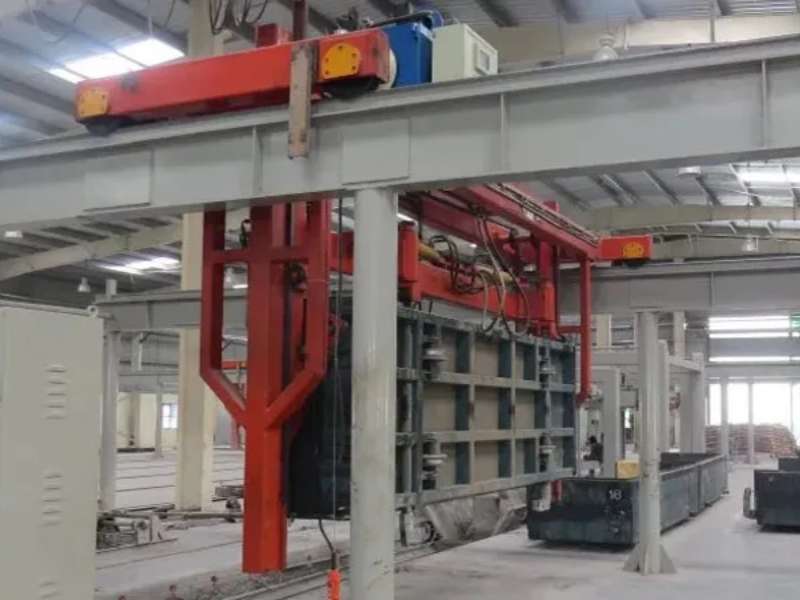
This project was designed for a mature construction market with strict quality expectations.
Client priorities:
- High product consistency
- Reliable long-term operation
- Compliance with local standards
We configured:
- High-precision cutting system
- Optimized autoclave layout
- Stable automation control
Result:
- Consistent block quality
- Low defect rate
- Strong acceptance in the local market

This project had a different starting point.
Client priorities:
- Controlled investment
- Flexibility for future growth
- Quick market entry
We designed:
- Medium-capacity line
- Expandable layout
- Balanced automation level
Result:
- Smooth startup
- Stable production
- Easy expansion planning
Common Beginner Mistakes
From experience, most early-stage problems come from decision errors, not equipment failure.
Typical mistakes include:
- Choosing capacity based only on budget
- Ignoring raw material variability
- Comparing suppliers only by price
- No clear layout planning
- Underestimating automation impact
FAQs
Q1: Can I start with a small AAC plant and expand later?
Yes, but expansion must be considered in the initial layout design.
Q2: What is the most important equipment in AAC production?
Cutting system and autoclave system have the greatest impact on quality.
Q3: Is fully automatic always better?
Not necessarily. It depends on your labor conditions and market demand.
Q4: How long does it take to build an AAC plant?
Typically 6–10 months depending on capacity.
Q5: Can you customize the production line?
Yes, all our projects are adjusted based on raw materials, capacity, and layout.




Start Your AAC Project with Our Team
If you are planning an AAC plant, the most useful first step is not asking for a price list.
It’s defining your project conditions.
When you reach out, it helps to share:
- Project location
- Target capacity
- Raw material type
- Budget range
Based on this, we can provide:
- Equipment configuration
- Layout proposal
- Investment estimate
- ROI analysis