
How Much Do AAC Plant Manufacturers Charge?
If you’re comparing AAC plant suppliers, the first thing you’ll notice is that quotations can vary significantly—even for similar capacities. Based on real project quotations, most manufacturers price their plants within the following ranges:
| Ukuran Tanaman | Capacity (m³/year) | Manufacturer Price (USD) |
|---|---|---|
| Mini | 30,000 - 100,000 | $100,000 – $1,000,000 |
| Sedang | 100,000 - 200,000 | $1,200,000 – $2,300,000 |
| Besar | 200,000 – 600,000+ | $2,000,000 – $3,000,000+ |
These figures typically refer to equipment supply and basic system configuration. Depending on the supplier, some services may be included, while others are quoted separately.
At this stage, it’s important to understand that a “manufacturer price” is not always a complete factory cost—it is the starting point for your total investment.
We Are an Experienced AAC Plant Manufacturer
When evaluating prices, the supplier behind the quotation matters just as much as the number itself. A lower price has little value if the system cannot run reliably.
As a manufacturer, our approach is based on real project delivery rather than standard templates.
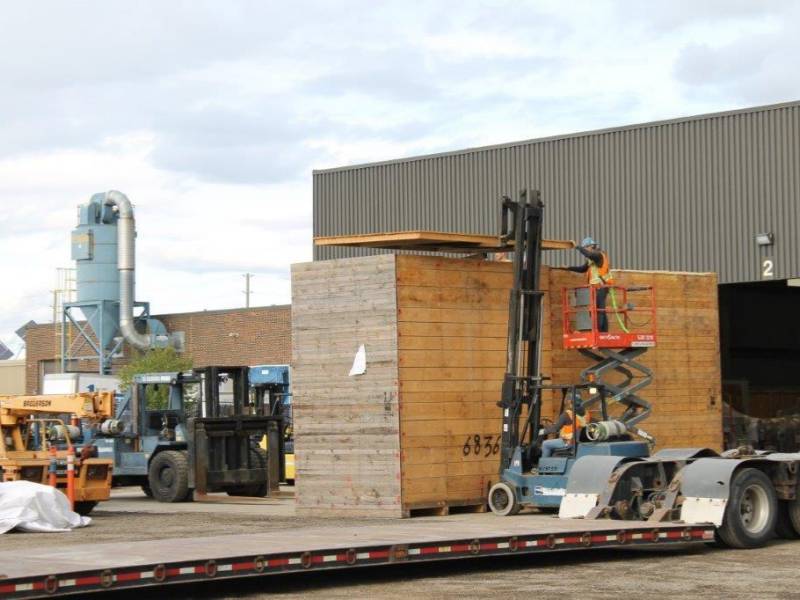
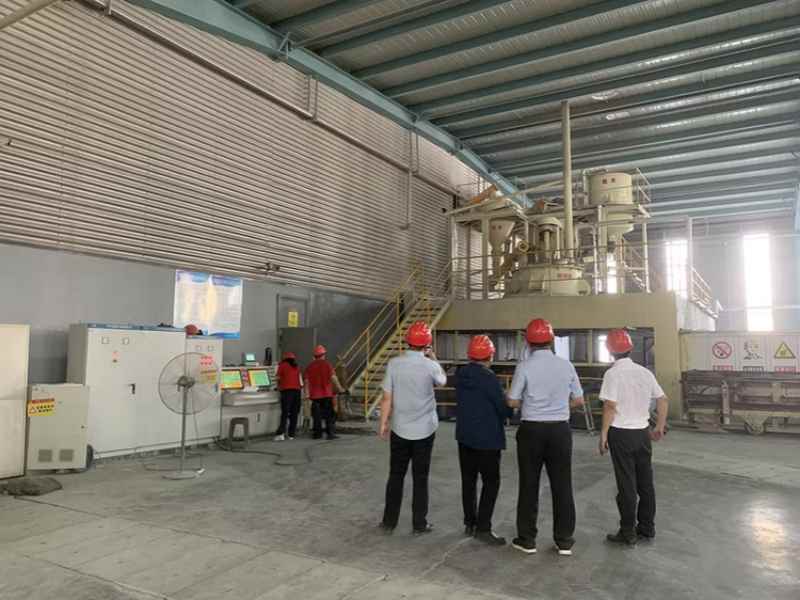
Proven Global Project Experience
We have delivered AAC plants across multiple regions, including:
- Southeast Asia (Indonesia, Vietnam)
- South Asia (India, Bangladesh)
- Africa (Nigeria, Kenya)
- Middle East markets
These projects vary in scale, from small entry-level plants to large industrial production lines, which allows us to adapt solutions to different market conditions.
Full-Scope Manufacturing Capability
Unlike trading companies, we are directly involved in:
- Core equipment manufacturing
- Production line integration
- Technical configuration and layout design
This ensures better control over both cost and quality, especially for key equipment such as autoclaves and cutting systems.
Customized Plant Solutions
Every AAC project is different. Instead of offering fixed packages, we adjust the solution based on:
- Target capacity
- Raw material type (fly ash, sand, etc.)
- Automation level
- Local labor and energy conditions
This is one of the main reasons why quotations can differ between suppliers.
Why Clients Choose Us
TIn most cases, clients are not simply looking for the lowest price—they are looking for a plant that can run smoothly over time. The key factors they consider include:
- Stable production performance
- Reasonable installation timeline
- Ongoing technical support
A well-matched solution usually delivers better long-term value than a low initial quotation.
What Is Included in AAC Plant Manufacturer Price?
One of the most common misunderstandings is assuming that all quotations include the same scope. In reality, this is rarely the case.
1. Typically Included
- Main production equipment
- Sistem kontrol
- Basic technical support
2. May Be Included (depending on supplier)
- Installation and commissioning
- Operator training
- Automation upgrades
3. Usually Not Included
- Civil construction (factory building)
- Land cost
- Local utilities (power, water, steam infrastructure)
This is why two quotations with similar prices may actually represent very different total investments.
Key Factors That Affect AAC Factory Price
1. Automation Level
Automation is one of the biggest cost drivers.
- Semi-automatic systems require more labor but cost less upfront
- Fully automatic systems improve efficiency and consistency, but require higher investment
In most cases, automation pays off over time through reduced labor costs and stable production quality.
2. Region
Location influences several cost components:
- Land and construction costs
- Labor wages
- Transportation and logistics
- Installation expenses
For example, factories in developing regions typically have lower setup costs, while projects in developed markets often require higher standards and additional investment.
3. Raw Material Availability
AAC production depends heavily on locally available materials such as fly ash or sand.
- If materials are locally available → lower production cost
- If materials must be transported → higher ongoing expenses
This factor affects not only initial setup, but also long-term profitability.
AAC Plant Equipment Price Breakdown from Manufacturers
To better understand how manufacturers structure pricing, it helps to look at typical equipment costs:
| Peralatan | Price Range (USD) |
|---|---|
| Crusher & Raw Material System | $10,000 – $30,000 |
| Mixing System | $20,000 – $50,000 |
| Mesin Pemotong | $50,000 – $150,000 |
| Autoclave System | $100,000 – $300,000+ |
| Sistem Kontrol | $30,000 – $100,000 |
Among these, the autoclave and cutting system usually account for the largest share of the cost.
Why Do AAC Plant Manufacturer Prices Vary So Much?
Once you look beyond the headline numbers, the price differences between suppliers become easier to understand.
Supplier Location (China vs Europe)
- Chinese manufacturers generally offer more cost-effective solutions
- European suppliers focus on high-end automation and strict industrial standards
This leads to a noticeable price gap for similar capacities.
Tingkat Otomasi
- Semi-automatic systems reduce upfront cost
- Fully automatic systems improve efficiency and reduce labor
Higher automation usually increases the quotation but lowers long-term operating cost.
Configuration Differences
Two plants with the same capacity may still differ in:
- Equipment quality
- System integration
- Energy efficiency
These differences directly affect price.
Turnkey vs Equipment Only
Some suppliers provide only equipment, while others offer turnkey solutions including:
- Design
- Installation
- Commissioning
Turnkey projects are more expensive but reduce risk for the investor.
How to Compare AAC Plant Manufacturer Quotes
When reviewing multiple quotations, a direct price comparison is not enough. A more practical approach is to compare:
- Scope of supply (what is included)
- Equipment specifications
- Automation level
- After-sales support
A slightly higher quotation may actually offer better value if it reduces future operational issues.
Hidden Costs in Manufacturer Pricing
Beyond the initial quotation, several additional costs should be considered:
- Shipping and logistics
- Installation and commissioning
- Spare parts and maintenance
- Energy consumption
Ignoring these factors can lead to underestimating the total investment.
AAC Plant Equipment: What You Are Really Buying
When comparing manufacturer prices, it’s easy to focus on the total number. But in practice, what you are actually investing in is the equipment system itself.
The performance of an AAC plant depends heavily on how well each key machine works together as a complete production line.
Core Equipment in an AAC Production Line
A standard AAC plant typically includes the following core systems:
| Peralatan | Fungsi | Impact on Production |
|---|---|---|
| Sistem Bahan Baku | Crushing, batching | Ensures material consistency |
| Mixing System | Slurry preparation | Affects product density |
| Mesin Pemotong | Block shaping | Determines size accuracy |
| Autoklaf | Steam curing | Critical for strength and quality |
| Sistem Kontrol | Automation & monitoring | Affects efficiency and labor cost |
Among these, the cutting system and autoclave are usually the most critical in determining final product quality.
Where Manufacturer Quality Really Shows
Two plants may look similar on paper, but in actual production, differences in equipment quality become very clear.
As a manufacturer, the main areas where we focus include:
Precision Cutting System
A stable cutting system ensures:
- consistent block dimensions
- minimal material waste
- smoother downstream processing
Reliable Autoclave System
The autoclave directly affects:
- product strength
- curing efficiency
- energy consumption
A well-designed system improves both quality and long-term operating cost.
Integrated Production Line vs Assembled Equipment
Another key difference between suppliers is how the production line is built.
- Some suppliers assemble equipment from multiple sources
- Others provide a fully integrated system
An integrated system typically offers:
- better synchronization between machines
- fewer operational issues
- more stable long-term performance
This is often where experienced manufacturers stand out.
Equipment Customization Based on Your Project
In real projects, there is no “standard machine configuration” that fits all cases.
Equipment design should be adjusted based on:
- raw material type (fly ash vs sand)
- required production capacity
- labor availability
- energy conditions
For example:
- High labor cost markets → higher automation
- Low investment markets → simplified configurations
This is why two manufacturer quotations can differ even at the same capacity level.
Long-Term Value vs Initial Equipment Price
When selecting an AAC plant, it is important to look beyond the initial equipment price.
A lower-cost system may lead to:
- higher maintenance frequency
- inconsistent product quality
- increased energy consumption
On the other hand, a well-designed production line typically offers:
- stable output
- lower operating cost
- longer equipment lifespan
Over time, these factors often have a greater financial impact than the initial price difference.
Choosing the Right AAC Equipment Supplier
At the end of the decision process, the choice of supplier is not just about price—it is about who can deliver a plant that actually works in your market.
A reliable AAC equipment manufacturer should be able to:
- Provide real project references
- Customize solutions based on your conditions
- Ensure stable production after installation
- Offer ongoing technical support
Real AAC Factory Project Examples
Rather than relying on estimates, looking at real projects gives a clearer picture of how AAC factory investment works in practice. Below are three actual projects from different markets, each representing a different investment level and strategy.
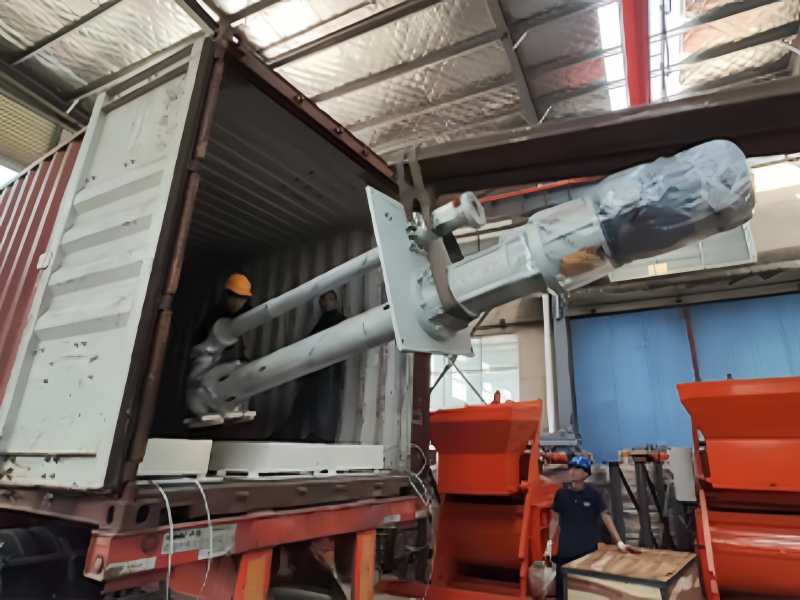
In Indonesia, a local building materials supplier invested in a 75,000 m³/year AAC block plant to enter the growing construction materials market.
Kapasitas: 75,000 m³/year
Plant Type: Mini to medium-scale
Configuration: Lini produksi yang sepenuhnya otomatis
Daily Output: 220–250 m³
Key Focus: Efficient entry into a high-growth market
The project was designed as a market entry strategy, balancing investment cost and production efficiency. With full automation and optimized energy systems, the plant achieved stable production shortly after commissioning, with a qualified product rate of over 97%.
This type of investment is typical for Southeast Asia, where demand is strong but investors still prefer controlled initial budgets with room for future expansion.

In Nigeria, the client chose a significantly larger setup, installing a 300,000 m³/year AAC block production line to supply high-volume construction demand.
Kapasitas: 300.000 m³/tahun
Plant Type: Large-scale industrial plant
Configuration: Sepenuhnya otomatis
Daily Output: 900–1,000 m³
Land Requirement: ~25,000–30,000 m²
Key Focus: High output and regional market coverage
The project was developed for a company already active in construction materials, aiming to scale production and supply major cities like Lagos and Abuja.
To ensure stable operation, the system was adapted to local conditions, including sand quality, energy costs, and infrastructure limitations. The plant achieved stable production within about 40 days and is expected to reach ROI within approximately 1.8–2.5 years.
This type of large-capacity project is common in fast-growing African markets where demand can support high-volume production.
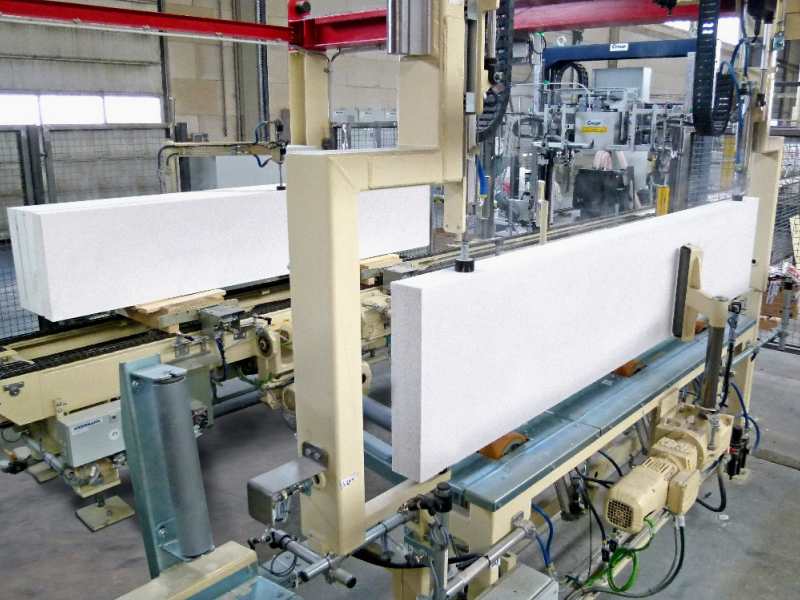
In India, the project followed a more balanced approach, focusing on stable production and cost efficiency rather than maximum scale.
Kapasitas: ~80,000 m³/year (typical configuration)
Plant Type: Medium-scale plant
Configuration: Automated production line
Key Focus: Efficiency, quality, and steady output
Projects at this scale are widely adopted in India because they offer a strong balance between investment and return. Investors can supply multiple construction projects while maintaining manageable operational complexity.
This type of plant is particularly suitable for companies transitioning from traditional brick production to AAC, where consistency, energy efficiency, and product quality are critical for market acceptance.
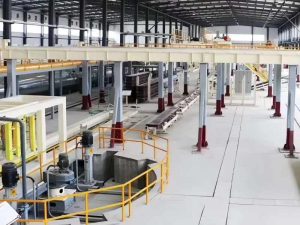
Pabrik Beton Aerasi Autoklaf Terkait




PERTANYAAN YANG SERING DIAJUKAN
AAC plant manufacturers typically quote between $100,000 and $3,000,000+, depending on capacity and configuration.
- Mini plants: $100,000 – $1,000,000
- Medium plants: $1,200,000 – $2,300,000
- Large plants: $2,000,000 – $3,000,000+
These prices usually cover equipment and basic system configuration, not the full factory setup.
It depends on the supplier.
Some manufacturers include:
- Installation guidance
- Commissioning support
- Operator training
Others only supply equipment and charge separately for these services.
It’s important to confirm the scope of supply before comparing quotations..
Price differences are mainly caused by:
- Automation level (semi vs fully automatic)
- Equipment quality and configuration
- Supplier location (China vs Europe)
- Scope of supply (equipment only vs turnkey solution)
Even for the same capacity, these factors can create large price gaps.
To receive a detailed and accurate quotation, you should provide:
- Desired production capacity
- Raw material type (fly ash or sand)
- Automation level preference
- Project location
With this information, manufacturers can offer a solution tailored to your needs rather than a generic estimate.
Price is important, but it should not be the only factor. You should also consider:
- Equipment reliability and quality
- Real project experience
- Ability to customize the production line
- After-sales support and technical service
A slightly higher-priced supplier may offer better long-term performance and lower operating costs.
Get a Customized AAC Plant Manufacturer Price
AAC plant pricing is not standardized. The final quotation depends on how well the solution matches your actual production needs.
If you are considering an AAC project, the most effective next step is to define your requirements clearly and request a customized proposal based on your market and budget.
A reliable manufacturer will not just give you a price—they will help you design a plant that works in real production conditions.