
AAC Plant Cases in North & South America: Real AAC Block Plant Projects Across the Americas
Explore AAC block manufacturing plant installations in the USA, Canada, Mexico, Brazil, Peru, Argentina and more.
Autoclaved Aerated Concrete (AAC) is widely recognized as one of the most efficient lightweight building materials used in modern construction. With excellent thermal insulation, fire resistance, and structural efficiency, AAC blocks are increasingly adopted in residential, commercial, and infrastructure projects worldwide.
As an engineering supplier of AAC block manufacturing plants, we have participated in the planning, equipment supply, and implementation of multiple AAC production projects across North and South America. In recent years, growing urban development and increasing demand for energy-efficient building materials have encouraged investors in the region to establish modern AAC factories.
Our project experience covers a wide range of markets, from the United States and Canada to Brazil, Peru, and Argentina, where AAC block plants have been implemented with different production capacities and equipment configurations.
This page presents a collection of AAC plant cases in North & South America, highlighting real project installations and demonstrating how AAC production lines are successfully applied in different construction markets. These examples provide valuable references for investors planning to develop their own AAC block manufacturing plants.
AAC Block Plant Projects By Country
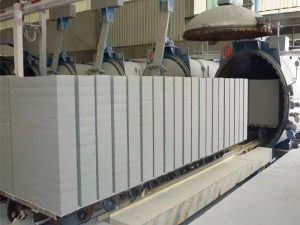
AAC Block Line in Chile
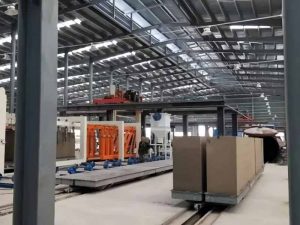
AAC Block Plant to Brazil
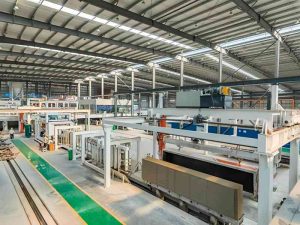
AAC Block Plant Exported to Colombia
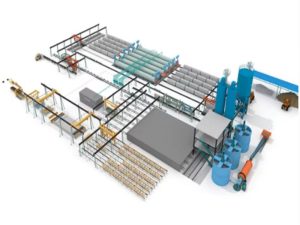
AAC Block Plant Exported to Peru
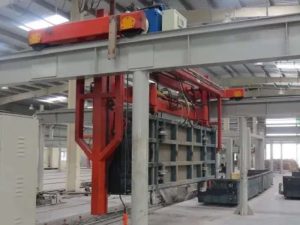
AAC Block Plant to Uruguay
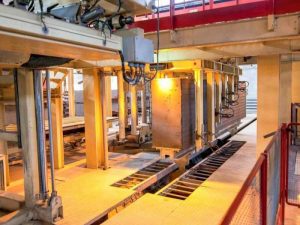
AAC Block Plant Exported to Venezuela
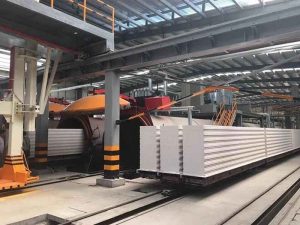
AAC Block Plant for Ecuador
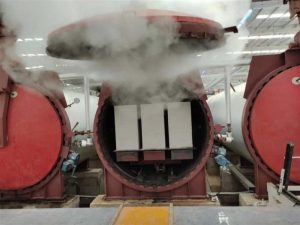
AAC Block Manufacturing Unit to Bolivia
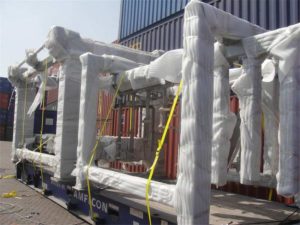
AAC Block Plant Exported to Argentina
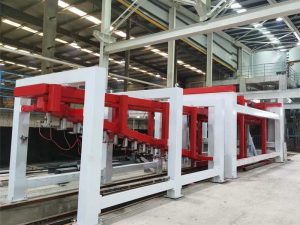
AAC Block Plant in Mexico
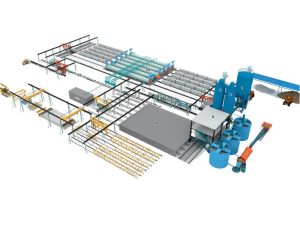
AAC Block Line in Canada

AAC Block Plant Exported to USA
AAC Block Plant Projects in North and South America
Below are selected AAC block plant projects across the Americas, demonstrating how AAC manufacturing technology is implemented in different construction environments.
North America Projects
| Country | Project | Capacité |
|---|---|---|
| USA | AAC Block Plant Exported to USA | Industrial production line |
| Canada | AAC Block Line in Canada | Medium-scale plant |
| Mexico | AAC Block Plant in Mexico | Regional AAC factory |
South America Projects
| Country | Project | Capacité |
|---|---|---|
| Argentina | AAC Block Plant Exported to Argentina | Industrial production |
| Bolivia | AAC Block Manufacturing Unit to Bolivia | Regional plant |
| Brazil | AAC Block Plant to Brazil | 200000 m³/year |
| Chile | AAC Block Line in Chile | Medium capacity |
| Colombia | AAC Block Plant Exported to Colombia | Industrial line |
| Ecuador | AAC Block Plant for Ecuador | Regional production |
| Paraguay | AAC Block Manufacturing Unit to Paraguay | 120000 m³/year |
| Peru | AAC Block Plant Exported to Peru | 150000 m³/year |
| Uruguay | AAC Block Plant to Uruguay | Medium production |
| Venezuela | AAC Block Plant Exported to Venezuela | 120000 m³/year |
These projects illustrate the wide range of production capacities and configurations used across different countries.
AAC Block Production Line Equipment
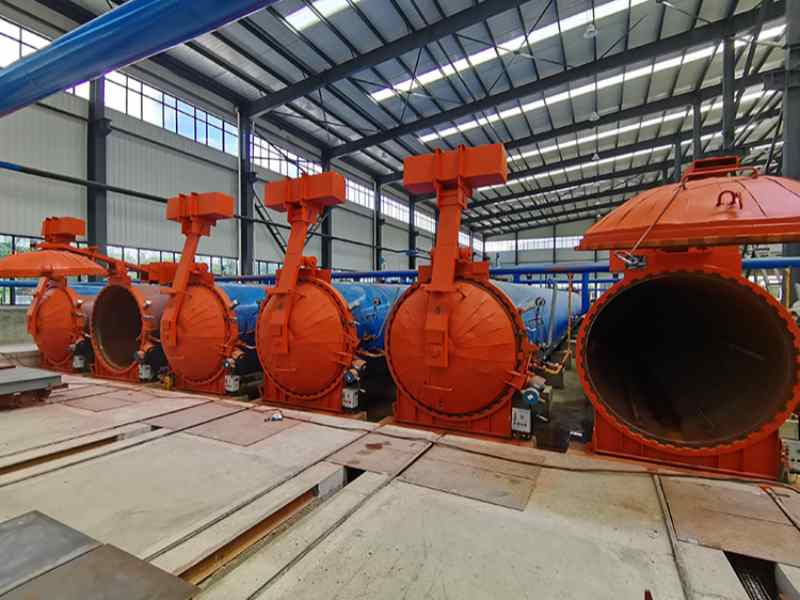


AAC block manufacturing plants consist of several integrated systems that ensure stable production and high product quality.
Raw Material Preparation System
Raw materials such as sand or fly ash, cement, lime, gypsum, and aluminum powder are carefully measured and prepared using automated batching systems.
Mixing and Casting System
The materials are mixed into a slurry and poured into molds. During the reaction process, millions of tiny air bubbles form inside the mixture, creating the characteristic lightweight AAC structure.
Système de coupe
After pre-curing, the AAC cake is cut into blocks or panels using high-precision cutting machines.
Autoclave Curing System
The blocks are cured in high-pressure steam autoclaves, which provide the strength and durability required for construction applications.
Finished Product Handling
Once curing is complete, the AAC blocks are stacked, packaged, and prepared for delivery to construction sites.
AAC Block Plant Production Capacity Overview
Select the right AAC block plant for your project in Americas based on capacity, investment, and operational goals. We provide flexible solutions for small, medium, and large-scale production.
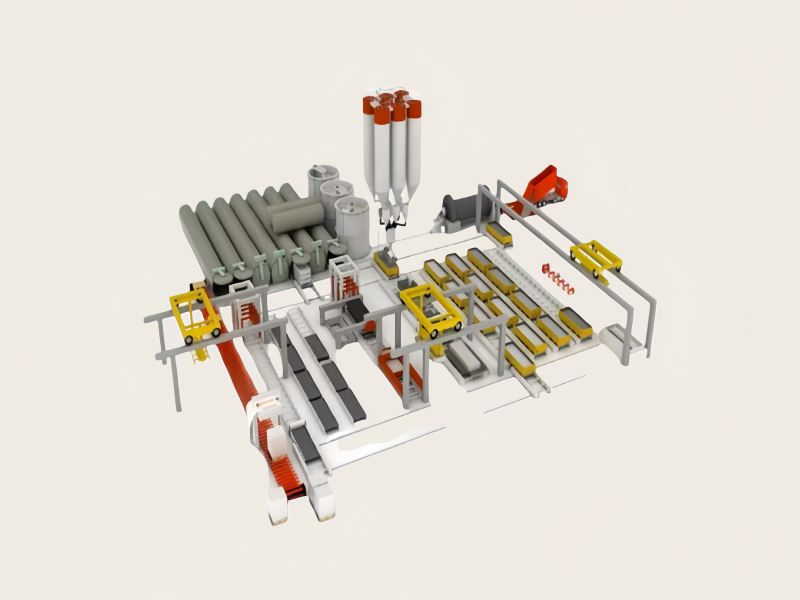
Petit Usine de fabrication de blocs AAC
Capacité : 30,000 – 100,000 m³/year
Autoclave: 1 – 3 sets
Factory Area: 4,000 – 10,000 m²
Investment: $60,000 – $300,000
Automation: Semi / Fully Automatic
Low initial investment, high flexibility, ideal for small batches and multi-specification production.

Medium AAC Block Plant
Capacité : 100,000 – 200,000 m³/year
Autoclave: 4 – 8 sets
Factory Area: 10,000 – 20,000 m²
Investment: $200,000 – $1,000,000
Automation: Fully Automatic
Stable production, controllable costs, suitable for medium to large-scale projects with flexibility.

Grande usine de fabrication de blocs AAC
Capacité : 200,000 – 400,000 m³/year
Autoclave: 8 – 12 sets
Factory Area: 20,000 m²+
Investment: $1,000,000 – $3,000,000
Automation: Fully Automatic
Significant scale effect, high product consistency, optimized for standardized mass production and large demands.
AAC Plant Capacity Comparison in the Americas
AAC manufacturing plants across North and South America operate with different production capacities depending on market demand, investment budget, and construction industry scale.
The following table provides an overview of typical AAC plant capacities used in the region.
| Country | Capacité de production | Plant Type | Application |
|---|---|---|---|
| USA | 150,000 – 300,000 m³/year | Large industrial plant | Housing & commercial buildings |
| Canada | 120,000 – 200,000 m³/year | Medium industrial plant | Green building construction |
| Mexico | 100,000 – 180,000 m³/year | Regional AAC plant | Residential construction |
| Brazil | 200,000 – 300,000 m³/year | Large factory | Infrastructure & housing |
| Peru | 120,000 – 150,000 m³/year | Medium plant | Urban housing |
| Argentina | 100,000 – 150,000 m³/year | Regional factory | Construction materials supply |
Selecting the right capacity depends on several factors:
- Local building material demand
- Investment budget
- Raw material availability
- Future factory expansion plans
Many investors choose expandable production lines that allow capacity upgrades as the market grows.
AAC Market Development in North & South America
The AAC market in the Americas has grown steadily in recent years, supported by strong construction demand and the need for more efficient building materials.
Urban Housing Demand
Many countries across the Americas are experiencing rapid urban population growth. This trend increases the demand for residential housing and modern construction materials.
AAC blocks provide lightweight, easy-to-install wall systems that allow developers to reduce construction time and structural load.
Energy-Efficient Building Materials
Energy efficiency has become a major priority in modern construction. AAC blocks offer excellent thermal insulation properties, helping buildings reduce heating and cooling energy consumption.
Infrastructure Development
Large infrastructure and urban development projects in South America are driving the demand for modern building materials, including AAC blocks.
Sustainable Construction
AAC production consumes fewer natural resources than traditional clay brick manufacturing and produces less environmental pollution.
Because of these advantages, many investors across the Americas are now exploring the opportunity to establish AAC block manufacturing plants.
Why Investors Are Building AAC Plants in the Americas
AAC block factories represent an attractive investment opportunity in many developing construction markets.
Several factors make AAC manufacturing particularly promising in the Americas:
- Growing construction demand: Rapid urbanization and housing development projects are increasing demand for modern building materials.
- Lightweight building technology: AAC blocks reduce structural weight, allowing faster and more efficient construction.
- Cost-effective production: AAC production uses widely available raw materials such as sand, cement, and lime.
- Government support for sustainable construction: Many countries encourage the use of energy-efficient building materials.
These factors are encouraging more investors and building material companies to establish AAC block production facilities across North and South America.
Customer Testimonials from AAC Plant Clients
USA Client
“Our AAC production line has been operating reliably since installation. The equipment automation level allows efficient block manufacturing and stable production quality.”
Brazil Client
“The supplier provided professional technical support during the entire project. From equipment delivery to commissioning, the process was well organized.”
Mexico Client
“The AAC plant solution was well designed for our construction market. The installation team helped our staff quickly learn the production process.”
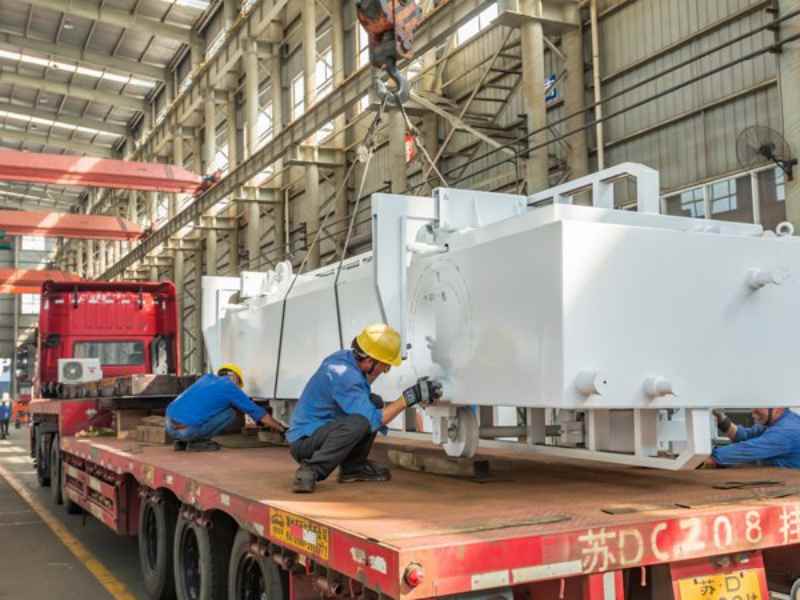
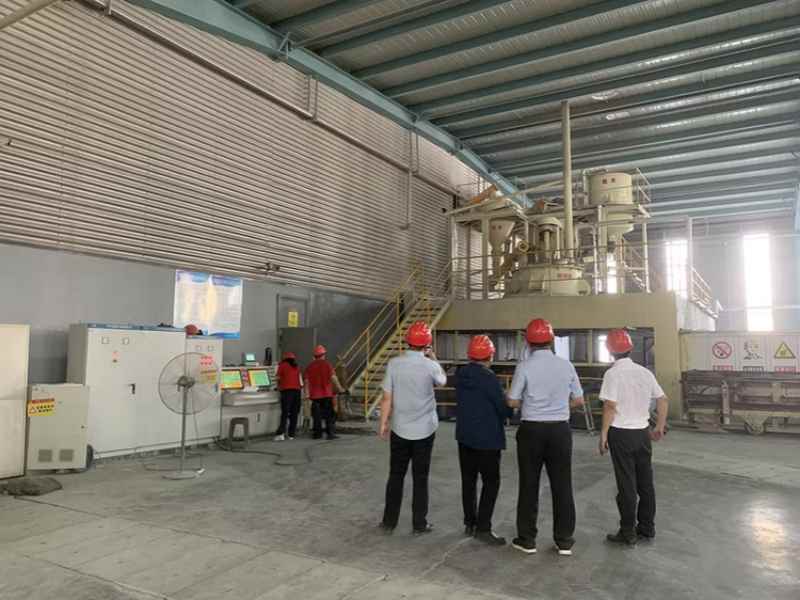
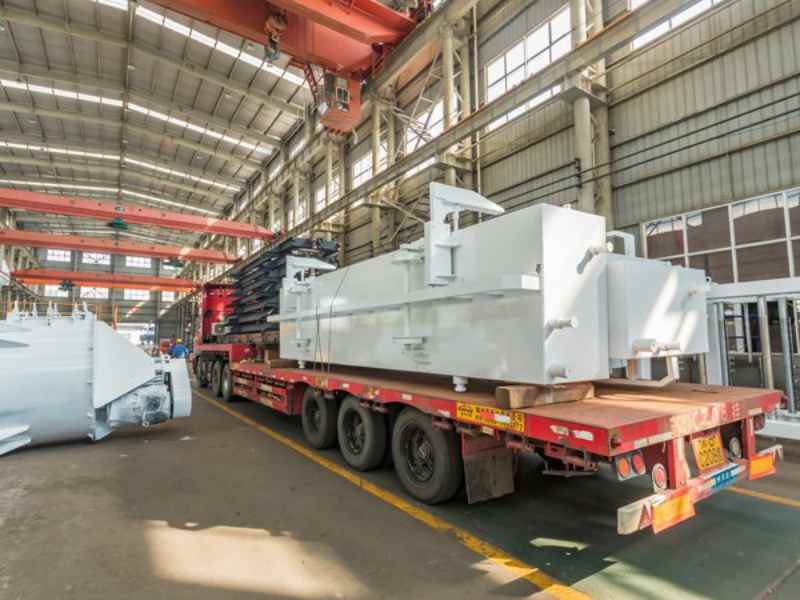
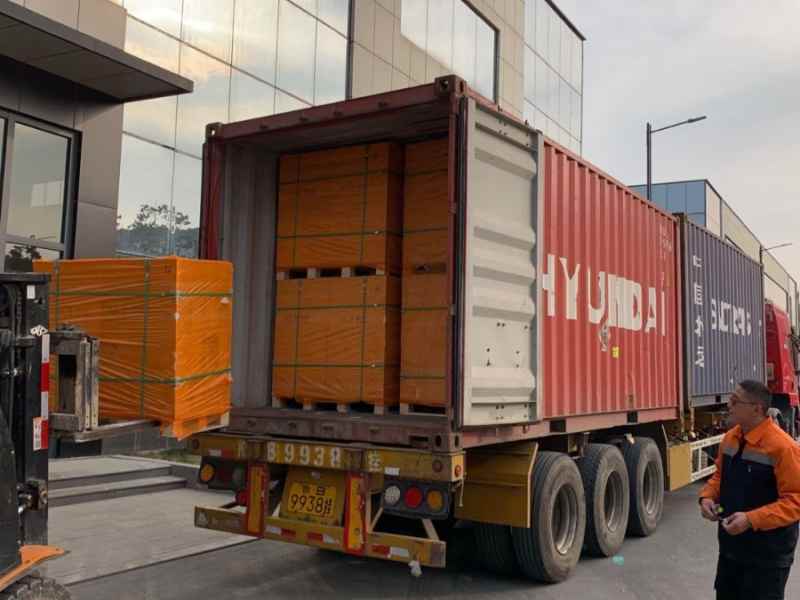
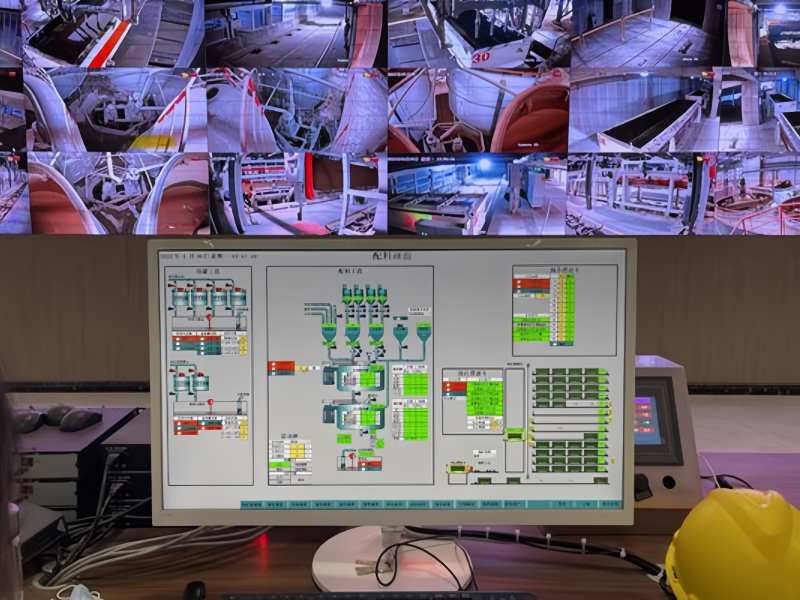
Equipment Delivery and Plant Installation Across Americas

FAQ About AAC Plants in the Americas
Most AAC plants in the Americas operate between 100,000 and 300,000 cubic meters per year, depending on construction demand.
Common raw materials include sand or fly ash, cement, lime, gypsum, and aluminum powder.
From equipment manufacturing to commissioning, the entire project usually takes several months.
Yes. Our engineers provide installation supervision and operator training to ensure smooth factory operation.