
What Is AAC Block Making Machinery?
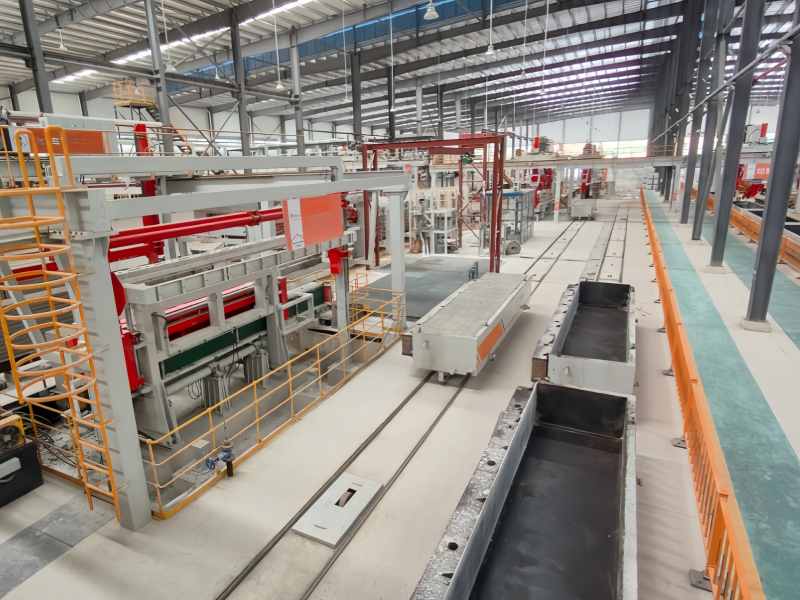
AAC block making machinery is not a single machine—it is a complete production system.
It covers the entire process from raw material handling to finished blocks, and each section must be designed to work in sequence.
A typical system includes:
- Raw material system — grinding fly ash or sand into stable slurry
- Mixing and dosing — controlling proportions for consistent reaction
- Casting system — pouring into molds and initiating expansion
- Pra-pengawetan — reaching the right strength before cutting
- Cutting system — defining block size and surface quality
- Autoclave system — final curing under steam pressure
In practice, these are not independent machines. They are linked by timing and production flow.
Machinery for Different Plant Sizes
Capacity determines your entire equipment configuration.
| Kapasitas | Typical Setup | Suitable Scenario |
|---|---|---|
| 100.000 m³/tahun | Semi-otomatis | Market entry |
| 150,000 m³/year | Balanced automation | Growing demand |
| 300.000 m³/tahun | Sepenuhnya otomatis | Large-scale supply |
What we usually tell clients:
- Don’t choose capacity based only on budget
- Choose based on market absorption and growth plan
A mismatch here leads to either idle capacity or lost opportunities.
Automatic vs Semi-Automatic Comparison
This is one of the most common decisions.
| Item | Semi-Otomatis | Fully Automatic |
|---|---|---|
| Labor | Higher | Lower |
| Investment | Lower | Higher |
| Stability | Sedang | High |
| Skill requirement | Higher | Lower |
| Output consistency | Moderate | High |
We usually suggest:
- Semi-auto → for smaller or developing markets
- Fully automatic → for stable demand and long-term operation
The key is not automation itself—it’s whether your operation can support it.
Equipment Used in AAC Block Making Machinery
1. Peralatan Penanganan Bahan Baku
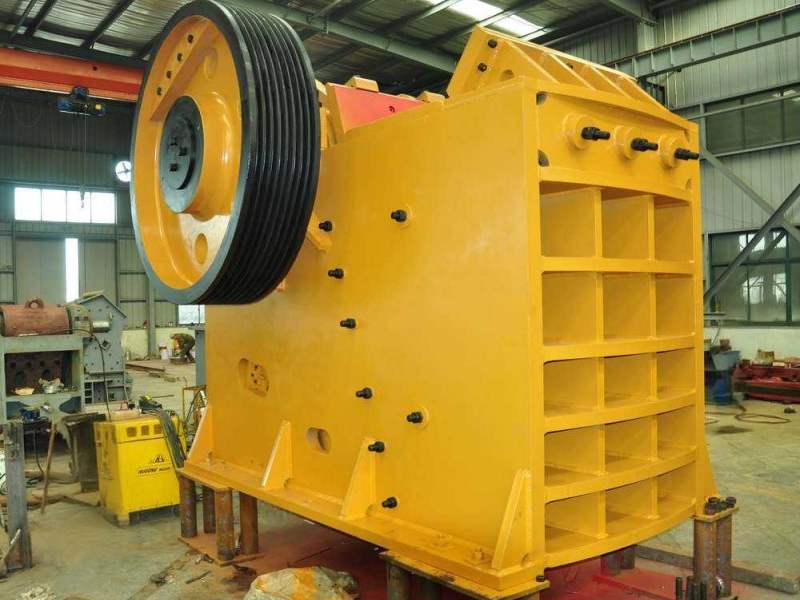
Penghancur: Menghancurkan bahan mentah seperti pasir dan kapur ke ukuran partikel yang ditentukan. Penghancur rahang digunakan untuk material keras, dan penghancur tumbukan digunakan untuk penghancuran halus.
Penyaring: Menggunakan penyaringan getaran untuk menghilangkan kotoran dan memastikan partikel bahan baku memiliki ukuran yang seragam.
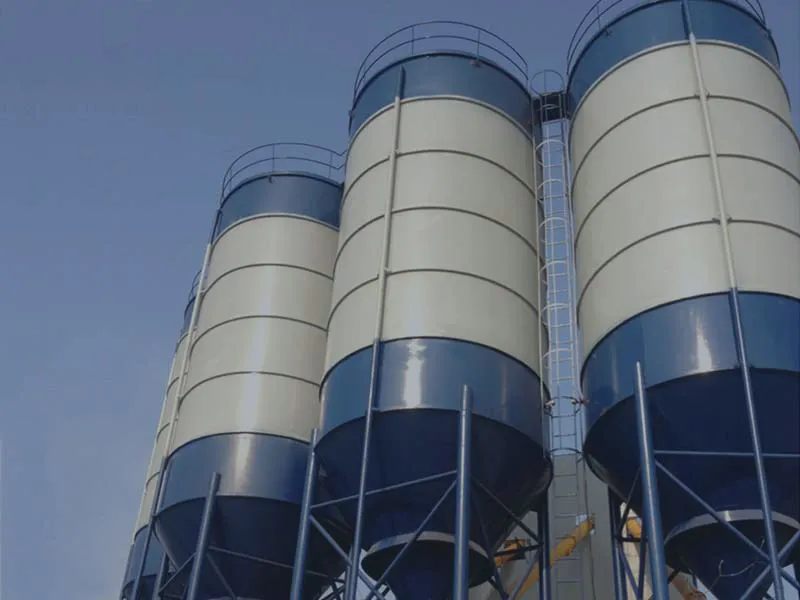
Silo Penyimpanan: Menyimpan bahan baku yang sudah diolah sebelumnya. Memiliki pengukur level dan perangkat penghilang debu untuk menjaga produksi berjalan terus menerus dan memenuhi persyaratan perlindungan lingkungan.
Timbangan Berat: Timbangan sabuk atau spiral secara akurat mengukur jumlah bahan baku untuk meminimalkan kesalahan formulasi.
2. Peralatan Pencampuran dan Pembusaan
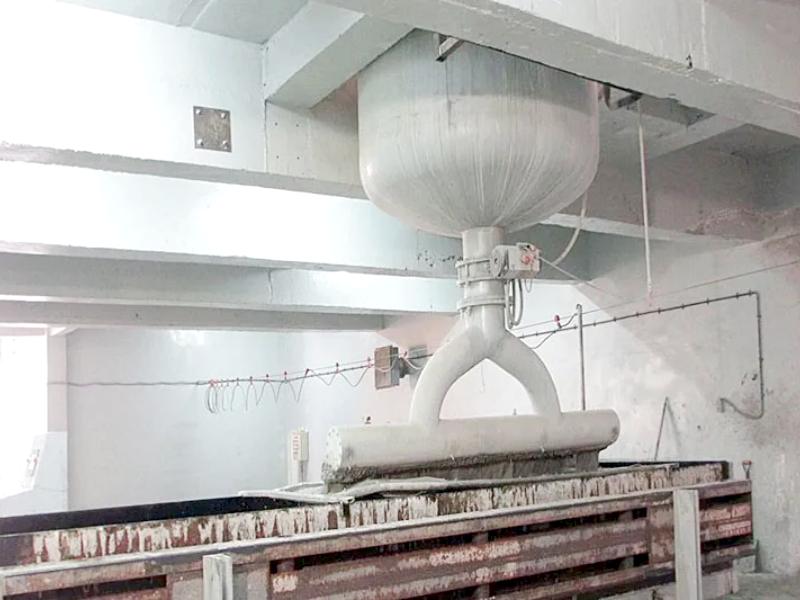

Pengaduk Paksa: Mencampur bahan baku padat dan air dengan kecepatan tinggi untuk membentuk bubur yang seragam, yang menjadi dasar pembusaan.
Tangki Pencampur Bubuk Aluminium: Mencampur suspensi bubuk aluminium dengan kecepatan rendah untuk mencegah sedimentasi dan memastikan dispersi yang seragam.
Sistem Berbusa: Suspensi bubuk aluminium disuntikkan secara proporsional untuk bereaksi dengan bubur untuk menghasilkan gelembung, yang kemudian dihubungkan ke mixer untuk kontrol otomatis.
3. Peralatan Pengecoran dan Pembentukan
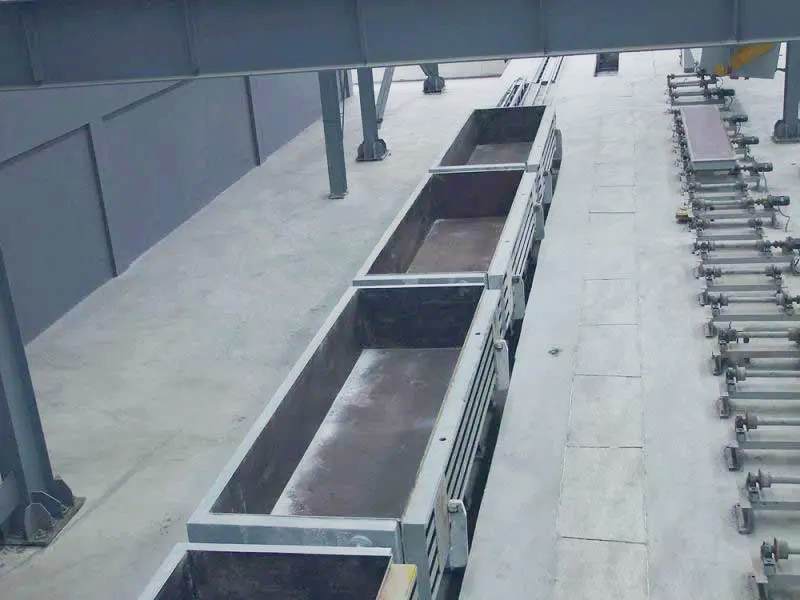
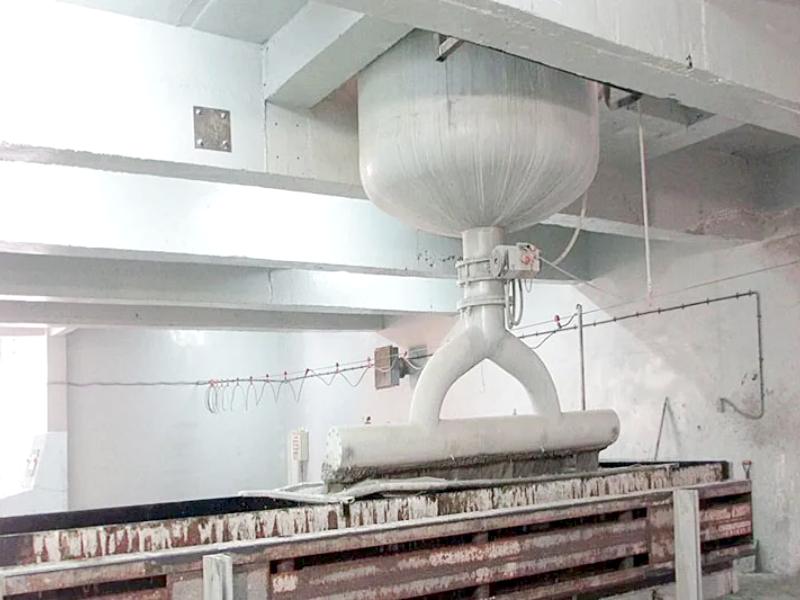
Cetakan: Baja berkekuatan tinggi yang dibuat khusus dengan perlakuan permukaan khusus, dapat disesuaikan ukurannya untuk mengakomodasi spesifikasi produk yang berbeda.
Mesin Pengecoran: Mengontrol volume injeksi bubur secara tepat, dan sebagian dilengkapi dengan travel otomatis untuk mencegah kekurangan atau luapan material.
Ruang Pengawetan: Lingkungan suhu dan kelembapan yang konstan memastikan aerasi bubur dan pengaturan awal, menghasilkan struktur berpori yang seragam.
4. Peralatan Pemotongan
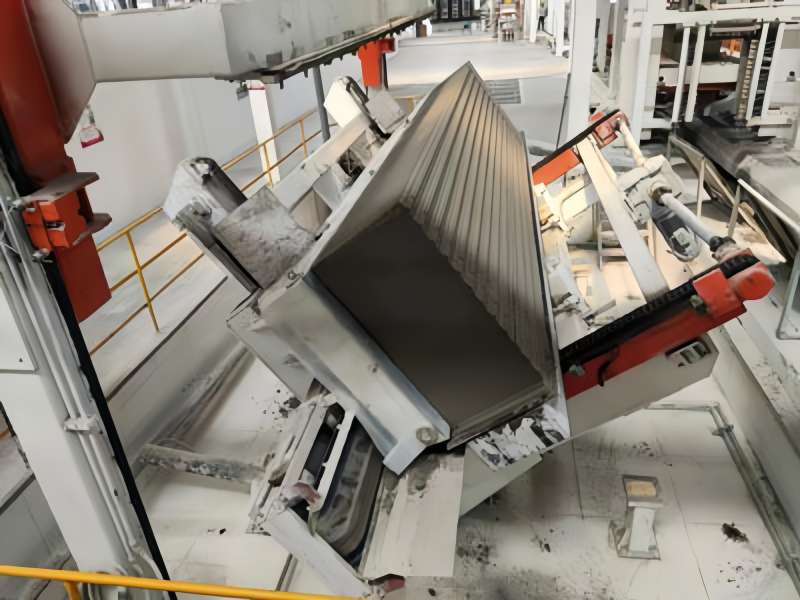
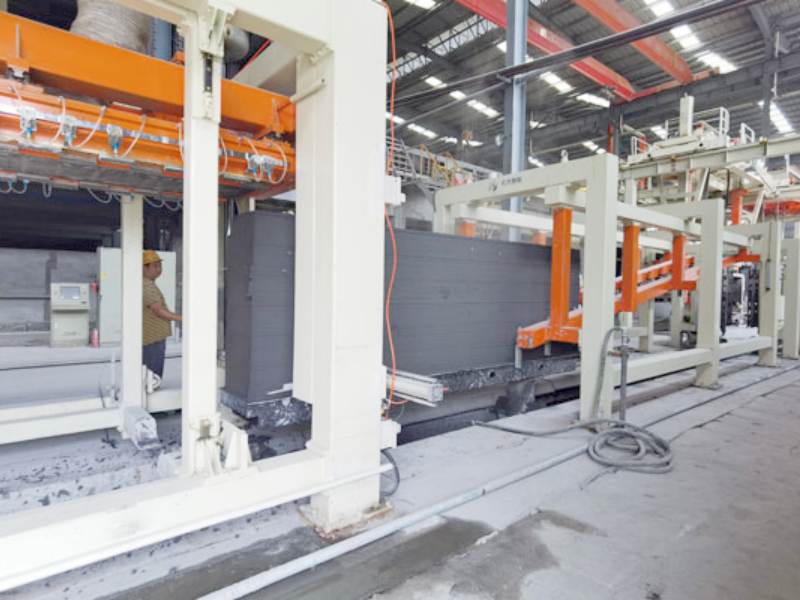
Meja Putar: Digerakkan oleh hidraulik, alat ini memutar cetakan dan blanko dengan mulus-hal ini membuat proses demolding dan pemotongan menjadi lebih mudah.
Gergaji Kawat: Menggunakan beberapa set kabel baja berkekuatan tinggi untuk pemotongan kecepatan tinggi. Sistem CNC memastikan akurasi pemotongan hingga ke milimeter. Untuk peralatan gergaji kawat besar, dapat melakukan pemotongan terus menerus di beberapa stasiun.
5. Peralatan Pengawetan Autoklaf
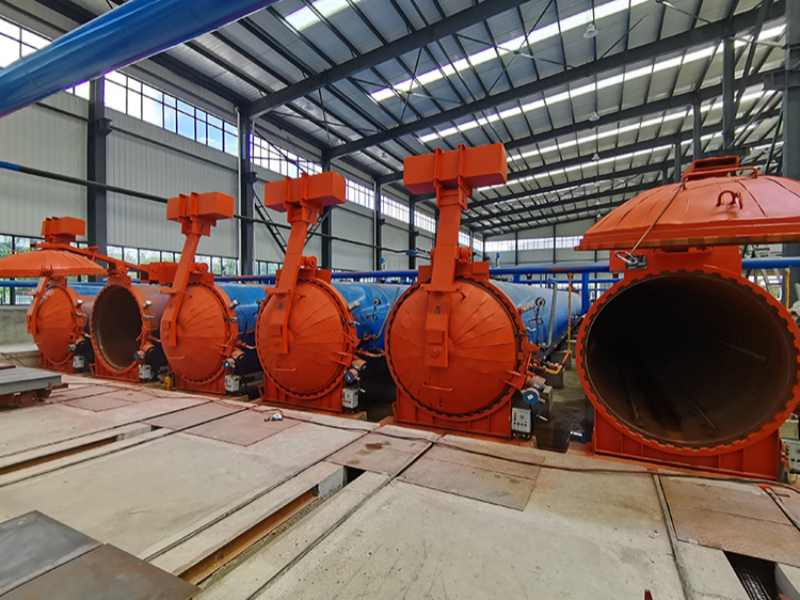

Autoklaf: Bejana bertekanan besar mengawetkan blanko pada suhu 180-200°C dan tekanan 10-12 bar, membentuk kalsium silikat hidrat berkekuatan tinggi. Dilengkapi dengan kunci pengaman.
6. Peralatan Bantu
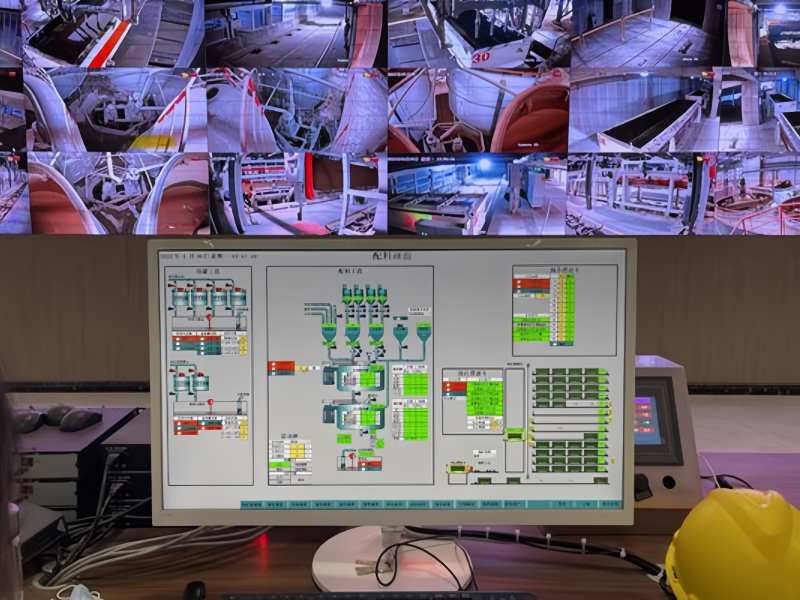

Ketel Uap: Memasok uap yang stabil untuk autoklaf dan ruang pengawetan, dengan berbagai opsi pemanasan yang tersedia.
Kompresor udara: Menyediakan udara bertekanan untuk peralatan pneumatik, memastikan katup, klem, dan perangkat lain berfungsi dengan baik.
Sistem sabuk konveyor: Mengangkut material melalui seluruh proses. Menggunakan konveyor sabuk atau rantai (dipilih berdasarkan kebutuhan material) untuk pergerakan otomatis dan berkelanjutan.
Sistem kontrol: Sistem PLC atau DCS memantau dan menyesuaikan parameter produksi secara real time. Sistem ini merekam data untuk manajemen dan penelusuran, serta membantu menyelesaikan masalah dengan segera.
Investment & Profit Overview
AAC projects should always be evaluated with a full picture—not just equipment cost.
1. Typical Investment Range
| Kapasitas | Investment |
|---|---|
| 100,000 m³ | $2M – $3.5M |
| 150,000 m³ | $3.5M – $5M |
| 300,000 m³ | $7M – $10M+ |
2. Profit Reference
| Item | Value |
|---|---|
| Profit per m³ | $8 – $12 |
| Annual output (150k) | 150,000 m³ |
| Estimated annual profit | ~$1.2M – $1.8M |
| Periode pengembalian modal | 2–3 years |
What affects ROI most:
- Raw material cost
- Production stability
- Market price of blocks
In practice, stable production often matters more than saving on initial investment.
Real Case: From Small Plant to Expansion
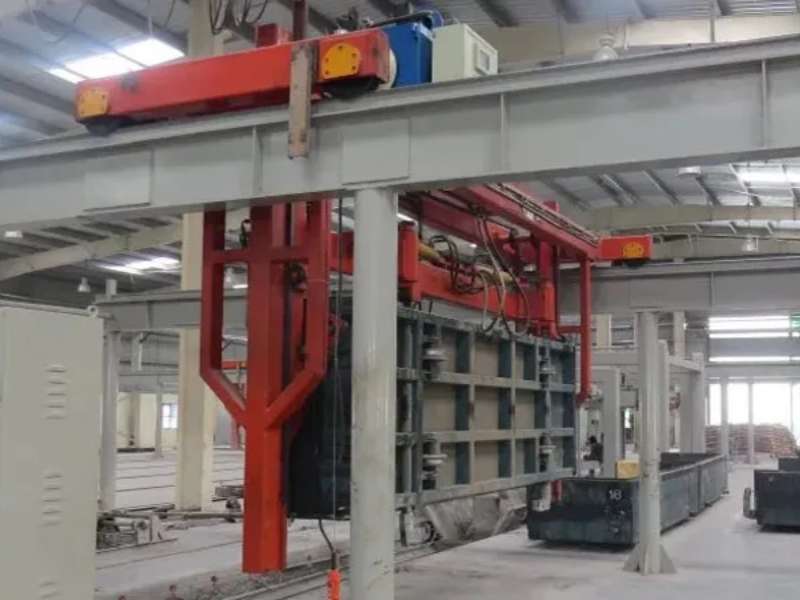
This project was designed for a mature construction market with strict quality expectations.
Client priorities:
- High product consistency
- Reliable long-term operation
- Compliance with local standards
We configured:
- High-precision cutting system
- Optimized autoclave layout
- Stable automation control
Result:
- Consistent block quality
- Low defect rate
- Strong acceptance in the local market

This project had a different starting point.
Client priorities:
- Controlled investment
- Flexibility for future growth
- Quick market entry
We designed:
- Medium-capacity line
- Expandable layout
- Balanced automation level
Result:
- Smooth startup
- Stable production
- Easy expansion planning
Common Beginner Mistakes
From experience, most early-stage problems come from decision errors, not equipment failure.
Typical mistakes include:
- Choosing capacity based only on budget
- Ignoring raw material variability
- Comparing suppliers only by price
- No clear layout planning
- Underestimating automation impact
FAQs
Q1: Can I start with a small AAC plant and expand later?
Yes, but expansion must be considered in the initial layout design.
Q2: What is the most important equipment in AAC production?
Cutting system and autoclave system have the greatest impact on quality.
Q3: Is fully automatic always better?
Not necessarily. It depends on your labor conditions and market demand.
Q4: How long does it take to build an AAC plant?
Typically 6–10 months depending on capacity.
Q5: Can you customize the production line?
Yes, all our projects are adjusted based on raw materials, capacity, and layout.
Pabrik Beton Aerasi Autoklaf Terkait




Start Your AAC Project with Our Team
If you are planning an Pabrik AAC, the most useful first step is not asking for a price list.
It’s defining your project conditions.
When you reach out, it helps to share:
- Project location
- Target capacity
- Raw material type
- Budget range
Based on this, we can provide:
- Equipment configuration
- Layout proposal
- Investment estimate
- ROI analysis