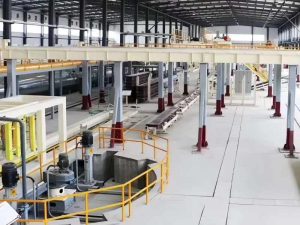
What Is an AAC Brick Plant?
An AAC brick plant is a complete industrial system designed to produce autoclaved aerated concrete blocks through a continuous process: raw material preparation, mixing, casting, pre-curing, cutting, and autoclaving.
It is important to understand this clearly—an AAC plant is not a single production line. It is a fully integrated factory system, where every section must match in capacity, timing, and automation level.
If one part is undersized or over-designed, the whole plant loses balance.

Investment Structure of an AAC Plant
In real projects, investment is not just about equipment. It usually includes civil works, installation, utilities, and commissioning.
| Cost Component | Typical Share |
|---|---|
| Equipment system | 55%–65% |
| Civil construction | 15%–25% |
| Installation & commissioning | 8%–12% |
| Utilities (boiler, power, etc.) | 5%–10% |
The final investment depends heavily on:
- Plant capacity
- Automation level
- Raw material type
- Local construction conditions
A properly designed plant avoids hidden costs during operation, which is often more important than initial price differences.
Recommended Plant Capacities
Capacity selection determines almost everything in an AAC project.
| Capacity | Investment Level | Market Position | Suitable For |
|---|---|---|---|
| 100,000 m³/year | Lower | Entry market | First-time investors |
| 150,000 m³/year | Medium | Balanced supply | Growing demand markets |
| 300,000 m³/year | High | Large-scale supply | Strong demand regions |
From experience, 150,000 m³/year is the most common choice because it balances investment risk and market flexibility.
Factory Layout Planning & Land Requirement
A common mistake we see is underestimating layout planning.
An AAC plant is not compact—it requires linear flow design.
Typical land requirement:
| Capacity | Land Area Needed |
|---|---|
| 100,000 m³ | 20,000–30,000 m² |
| 150,000 m³ | 30,000–45,000 m² |
| 300,000 m³ | 50,000–70,000 m² |
Key layout principles:
- Straight material flow (avoid backtracking)
- Separation of raw and finished zones
- Crane coverage planning for molds and blocks
- Autoclave positioning near cutting area
A poorly designed layout will increase labor cost and reduce efficiency permanently.
Production Line vs Full Plant Difference
Many clients confuse a “production line” with a “plant.”
| Item | Production Line | Full AAC Plant |
|---|---|---|
| Scope | Equipment system only | Entire factory |
| Includes civil works | No | Yes |
| Utilities | Partial | Full integration |
| Design responsibility | Limited | Full engineering |
A production line is only part of the system. A plant is a complete operational factory.
ROI of AAC Brick Plant Investment
AAC plants are long-term industrial investments. Profitability depends on stable operation, not only sales price.
Typical financial performance (150,000 m³ plant)
| Item | Value |
|---|---|
| Annual output | 150,000 m³ |
| Profit per m³ | $8–$12 |
| Annual profit | $1.2M–$1.8M |
| Payback period | 2–3 years |
What often determines ROI is not market demand alone, but:
- Production stability
- Waste rate control
- Energy efficiency
- Labor management
Even a small improvement in efficiency has a large impact on annual profit.
Our Case Study
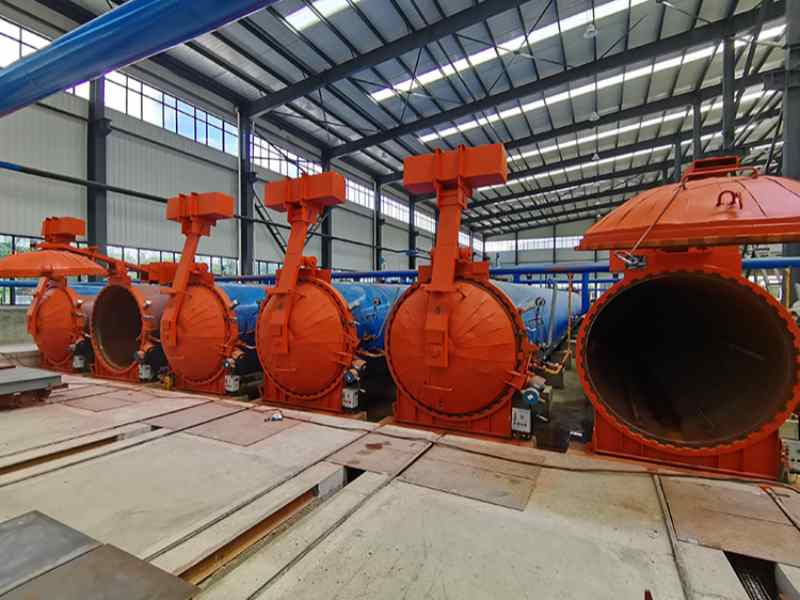
In Saudi Arabia, the client required a large-capacity AAC block manufacturing plant to support fast-growing infrastructure and mega construction projects.
The main challenge in this project was not equipment supply, but system stability under continuous high-load operation.
We designed a full turnkey solution including:
- High-capacity batching and slurry preparation system
- Fully synchronized cutting line for large daily output
- Multi-autoclave configuration for continuous curing cycles
- Reinforced automation system to reduce labor dependency
The plant was optimized for:
- Stable 24/7 operation
- High output consistency
- Reduced energy fluctuation in autoclave process
After commissioning, the system achieved stable mass production and was able to supply AAC blocks to multiple construction zones in Riyadh and surrounding industrial areas.

In India, the project conditions were completely different.
The client was entering the AAC market for the first time, so the priority was:
- Controlled investment
- Flexible production capacity
- Easier operation management
- Stable local raw material adaptation
The main engineering challenge was raw material variability, especially sand quality differences across seasons.
We adjusted the system by:
- Optimizing raw material grinding and slurry consistency control
- Designing a more flexible batching ratio system
- Balancing automation level with local operator skill
- Simplifying layout to reduce internal material handling distance
After start-up, the plant achieved stable production and gradually expanded output as market demand increased.
How to Start Your AAC Plant Project
In most successful projects, the starting point is not quotation—it is engineering definition.
When we work with clients, we usually begin with:
- Target market analysis
- Raw material testing
- Capacity planning
- Land and layout evaluation
Based on this, we provide:
- Plant configuration proposal
- Equipment list
- Layout design
- Investment estimation
- ROI projection
This approach reduces risk before any equipment is manufactured.
Equipment Used in AAC Brick Plant
1. Raw Material Handling Equipment
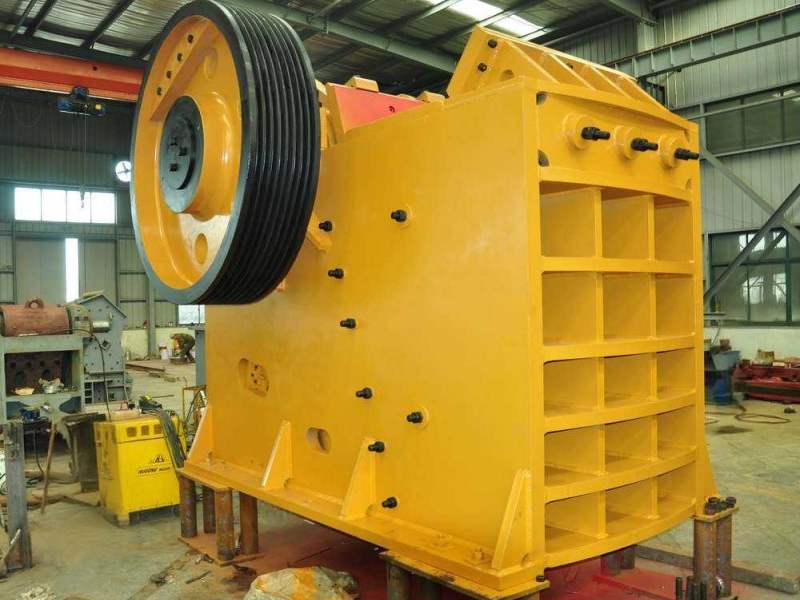
Crusher: Crushes raw materials such as sand and lime to the specified particle size. Jaw crushers are used for hard materials, and impact crushers are used for fine crushing.
Screener: Uses vibratory screening to remove impurities and make sure raw material particles are uniform in size.
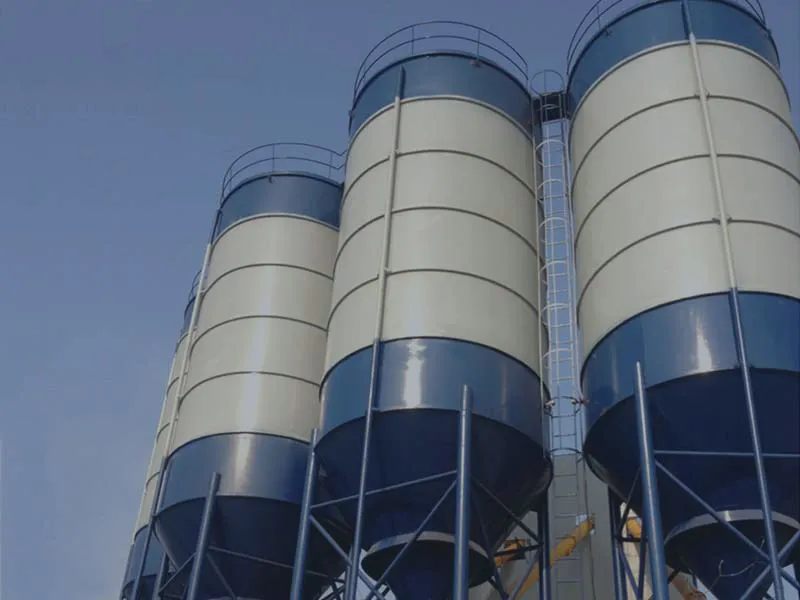
Storage Silo: Stores pre-treated raw materials. It has a level meter and dust removal device to keep production running continuously and meet environmental protection requirements.
Weighing Scale: Belt or spiral scales accurately measure raw material quantities to minimize formulation errors.
2. Mixing and Foaming Equipment
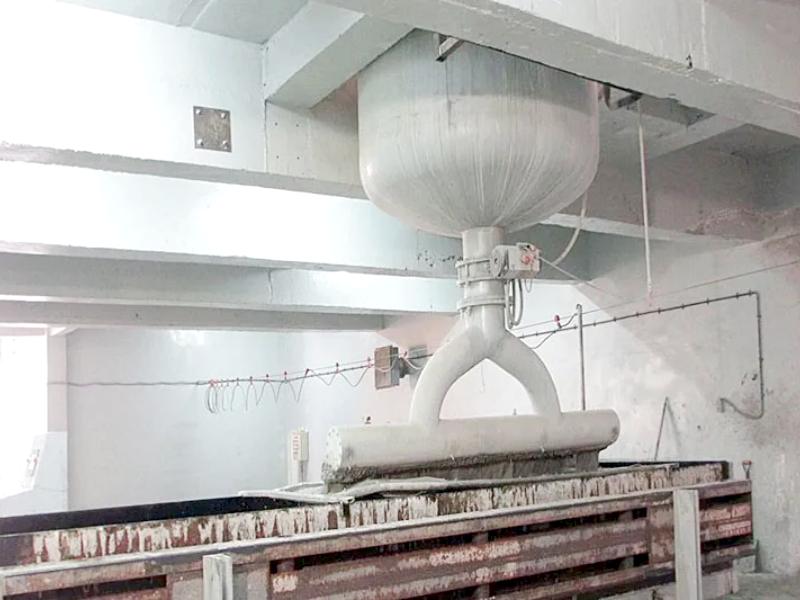

Forced Mixer: Mixes solid raw materials and water at high speed to form a uniform slurry, laying the foundation for foaming.
Aluminum Powder Mixing Tank: Mixes aluminum powder suspension at low speed to prevent sedimentation and ensure uniform dispersion.
Foaming System: Aluminum powder suspension is injected in proportion to react with the slurry to generate bubbles, which are then linked to the mixer for automated control.
3. Casting and Forming Equipment
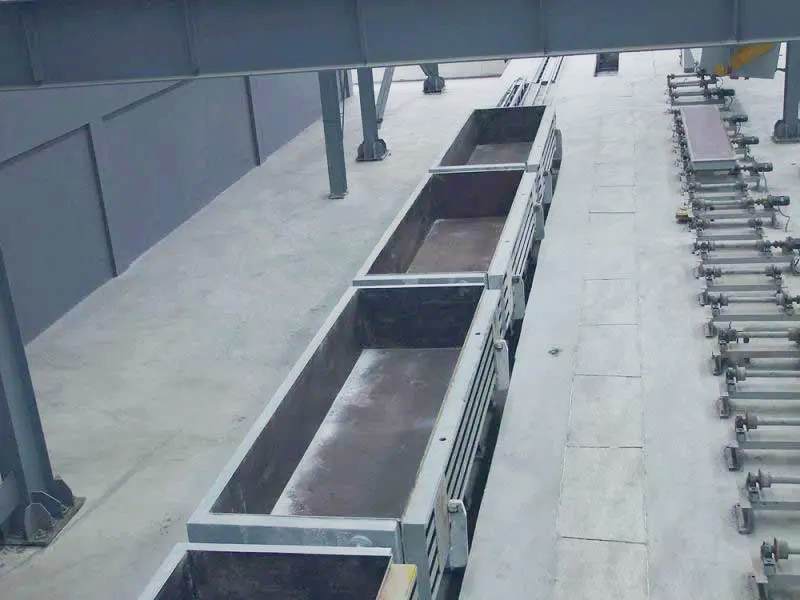
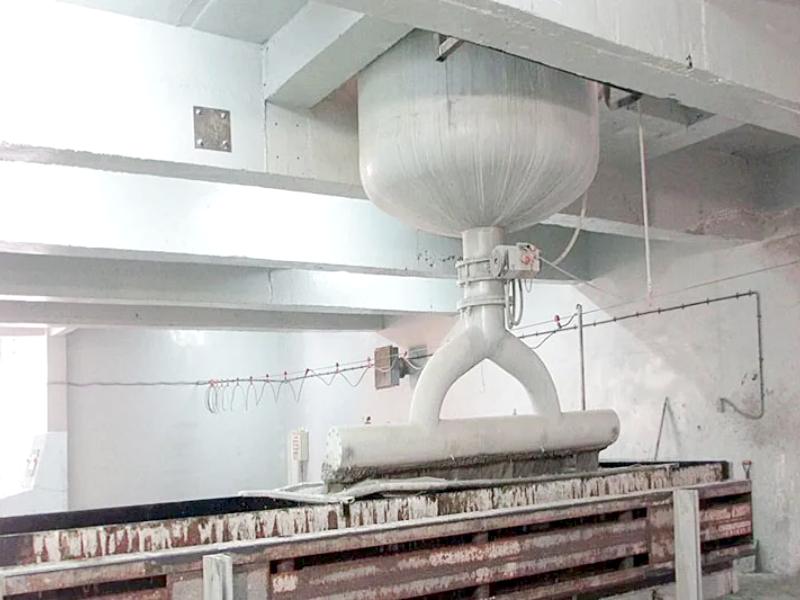
Molds: Custom-made high-strength steel with a special surface treatment, adjustable in size to accommodate different product specifications.
Casting Machines: Precisely control the slurry injection volume, and some are equipped with automatic travel to prevent material shortages or overflow.
Curing Chamber: A constant temperature and humidity environment ensures slurry aeration and initial setting, resulting in a uniform porous structure.
4. Cutting Equipment
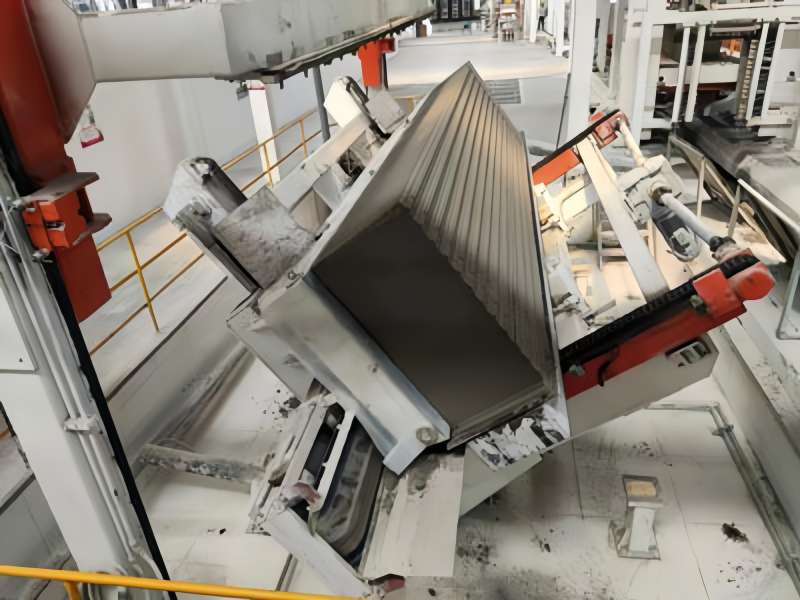
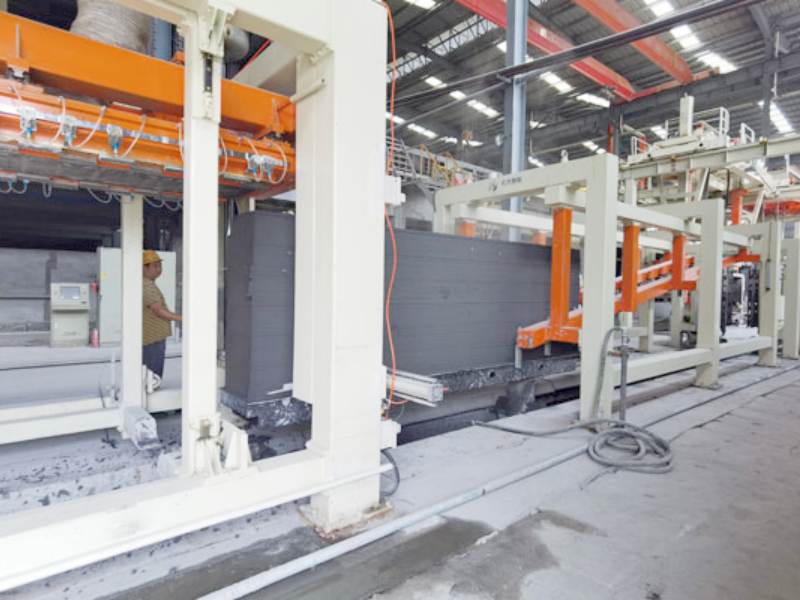
Turning Table: Driven by hydraulics, it rotates molds and blanks smoothly—this makes demolding and cutting easier.
Wire Saw: Uses multiple sets of high-strength steel wires for high-speed cutting. A CNC system ensures cutting accuracy down to the millimeter. For large wire saw equipment, it can do continuous cutting at multiple stations.
5. Autoclave Curing Equipment
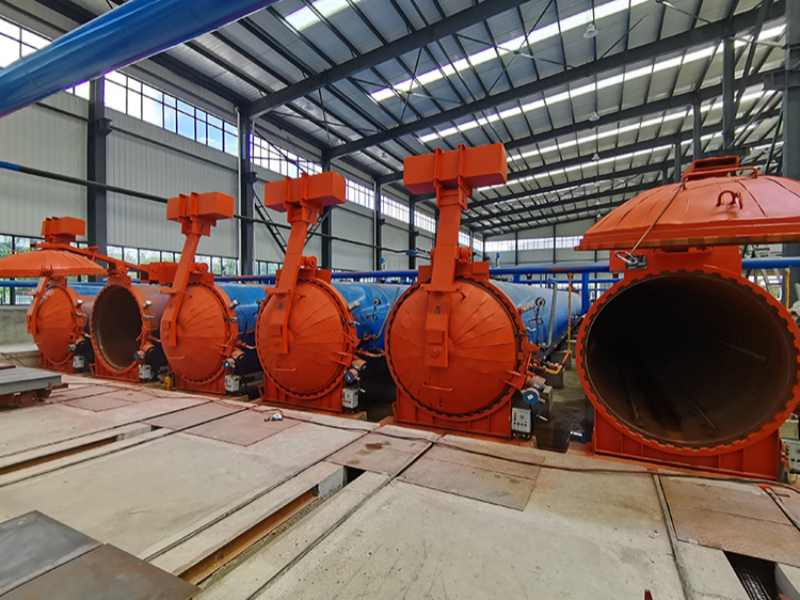

Autoclaves: Large pressure vessels cure blanks at temperatures of 180–200°C and pressures of 10–12 bar, forming high-strength calcium silicate hydrates. Equipped with safety interlocks.
6. Auxiliary Equipment

Steam Boilers: Supply stable steam for autoclaves and curing chambers, with various heating options available.
Air compressor: Provides compressed air for pneumatic equipment, ensuring valves, clamps, and other devices work properly.
Conveyor belt system: Transports materials through the entire process. Uses belt or chain conveyors (chosen based on material needs) for automated, continuous movement.
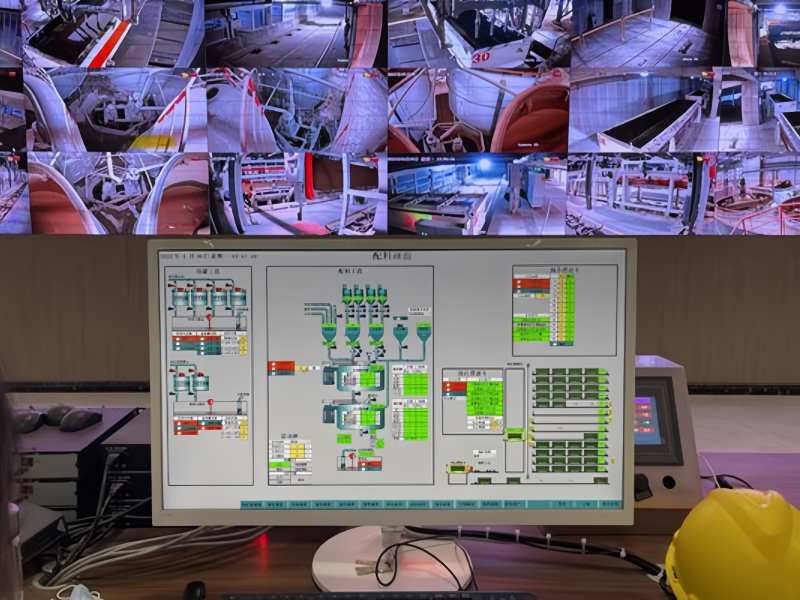
Nazorat tizimi: PLC or DCS systems monitor and adjust production parameters in real time. They record data for management and traceability, and help resolve issues promptly.
FAQs
Q1: How long does it take to build an AAC brick plant?
Typically 6–10 months depending on capacity and civil work progress.
Q2: Can I start with a small plant and expand later?
Yes, but expansion must be planned during initial layout design.
Q3: What is the most important system in an AAC plant?
Cutting system and autoclave system are the most critical for product quality and stability.
Q4: Is AAC production profitable?
Yes, if raw material cost and production stability are properly controlled.
Q5: Do you provide full plant design or only equipment?
We provide full EPC-style plant solutions, including design, equipment, and technical support.