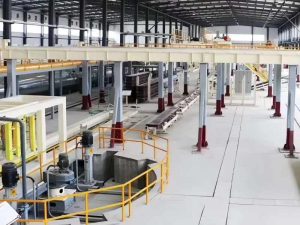
What Is an AAC Brick Plant?
An AAC brick plant is a complete industrial system designed to produce autoclaved aerated concrete blocks through a continuous process: raw material preparation, mixing, casting, pre-curing, cutting, and autoclaving.
It is important to understand this clearly—an AAC plant is not a single production line. It is a fully integrated factory system, where every section must match in capacity, timing, and automation level.
If one part is undersized or over-designed, the whole plant loses balance.

Investment Structure of an AAC Plant
In real projects, investment is not just about equipment. It usually includes civil works, installation, utilities, and commissioning.
| Cost Component | Typical Share |
|---|---|
| Equipment system | 55%–65% |
| Civil construction | 15%–25% |
| Installation & commissioning | 8%–12% |
| Utilities (boiler, power, etc.) | 5%–10% |
The final investment depends heavily on:
- Plant capacity
- Automation level
- Raw material type
- Local construction conditions
A properly designed plant avoids hidden costs during operation, which is often more important than initial price differences.
Recommended Plant Capacities
Capacity selection determines almost everything in an AAC project.
| Вместимость | Investment Level | Market Position | Подходит для |
|---|---|---|---|
| 100 000 м³/год | Lower | Entry market | First-time investors |
| 150,000 m³/year | Средний | Balanced supply | Growing demand markets |
| 300 000 м³/год | High | Large-scale supply | Strong demand regions |
From experience, 150,000 m³/year is the most common choice because it balances investment risk and market flexibility.
Factory Layout Planning & Land Requirement
A common mistake we see is underestimating layout planning.
An AAC plant is not compact—it requires linear flow design.
Typical land requirement:
| Вместимость | Land Area Needed |
|---|---|
| 100,000 m³ | 20,000–30,000 m² |
| 150,000 m³ | 30,000–45,000 m² |
| 300,000 m³ | 50,000–70,000 m² |
Key layout principles:
- Straight material flow (avoid backtracking)
- Separation of raw and finished zones
- Crane coverage planning for molds and blocks
- Autoclave positioning near cutting area
A poorly designed layout will increase labor cost and reduce efficiency permanently.
Production Line vs Full Plant Difference
Many clients confuse a “production line” with a “plant.”
| Артикул | Production Line | Full AAC Plant |
|---|---|---|
| Scope | Equipment system only | Entire factory |
| Includes civil works | No | Yes |
| Utilities | Partial | Full integration |
| Design responsibility | Limited | Full engineering |
A production line is only part of the system. A plant is a complete operational factory.
ROI of AAC Brick Plant Investment
AAC plants are long-term industrial investments. Profitability depends on stable operation, not only sales price.
Typical financial performance (150,000 m³ plant)
| Артикул | Value |
|---|---|
| Annual output | 150,000 m³ |
| Profit per m³ | $8–$12 |
| Annual profit | $1.2M–$1.8M |
| Срок окупаемости | 2–3 years |
What often determines ROI is not market demand alone, but:
- Production stability
- Waste rate control
- Energy efficiency
- Labor management
Even a small improvement in efficiency has a large impact on annual profit.
Our Case Study
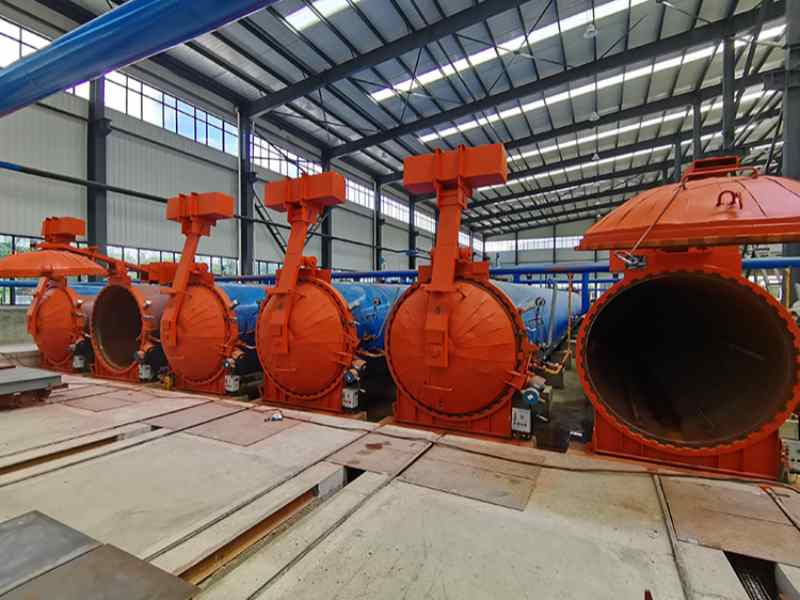
In Saudi Arabia, the client required a large-capacity AAC block manufacturing plant to support fast-growing infrastructure and mega construction projects.
The main challenge in this project was not equipment supply, but system stability under continuous high-load operation.
We designed a full turnkey solution including:
- High-capacity batching and slurry preparation system
- Fully synchronized cutting line for large daily output
- Multi-autoclave configuration for continuous curing cycles
- Reinforced automation system to reduce labor dependency
The plant was optimized for:
- Stable 24/7 operation
- High output consistency
- Reduced energy fluctuation in autoclave process
After commissioning, the system achieved stable mass production and was able to supply AAC blocks to multiple construction zones in Riyadh and surrounding industrial areas.

In India, the project conditions were completely different.
The client was entering the AAC market for the first time, so the priority was:
- Controlled investment
- Гибкие производственные мощности
- Easier operation management
- Stable local raw material adaptation
The main engineering challenge was raw material variability, especially sand quality differences across seasons.
We adjusted the system by:
- Optimizing raw material grinding and slurry consistency control
- Designing a more flexible batching ratio system
- Balancing automation level with local operator skill
- Simplifying layout to reduce internal material handling distance
After start-up, the plant achieved stable production and gradually expanded output as market demand increased.
How to Start Your AAC Plant Project
In most successful projects, the starting point is not quotation—it is engineering definition.
When we work with clients, we usually begin with:
- Target market analysis
- Raw material testing
- Capacity planning
- Land and layout evaluation
Based on this, we provide:
- Plant configuration proposal
- Equipment list
- Layout design
- Investment estimation
- ROI projection
This approach reduces risk before any equipment is manufactured.
Equipment Used in AAC Brick Plant
1. Оборудование для транспортировки сырья
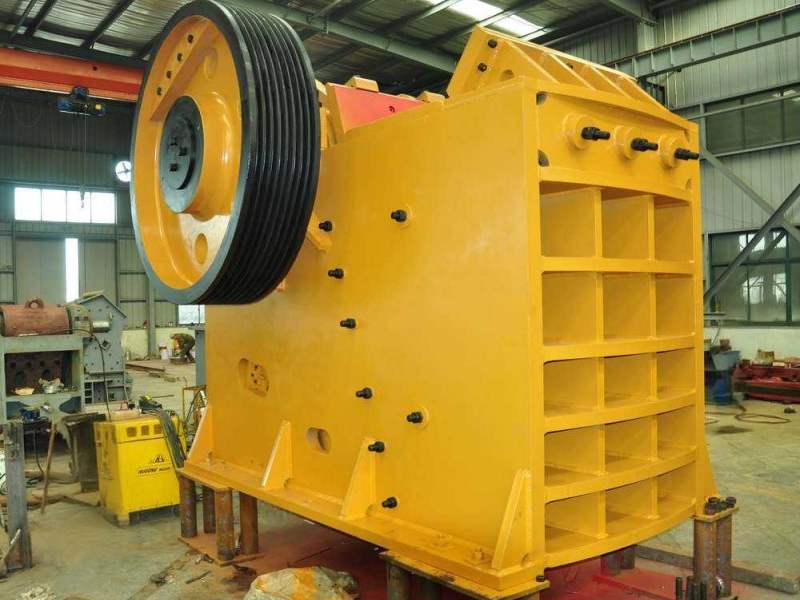
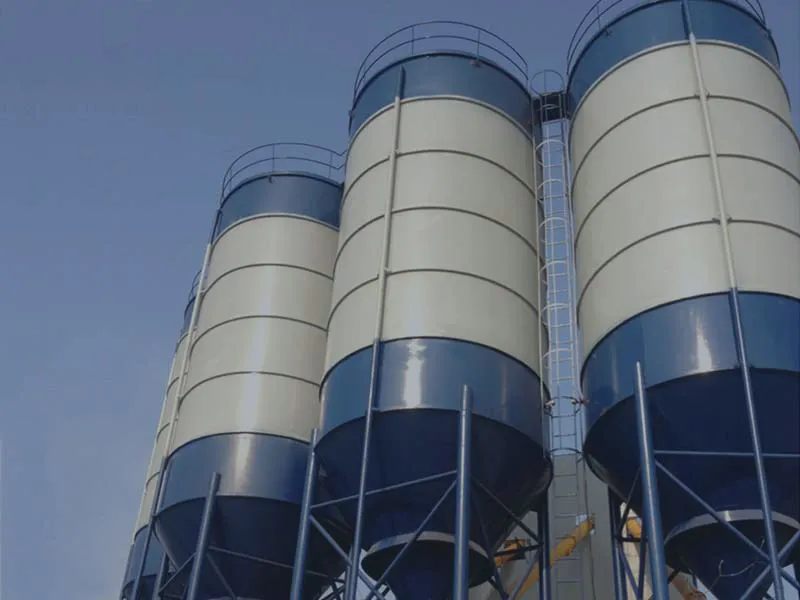
Дробилка: Измельчает сырье, такое как песок и известь, до заданного размера частиц. Щековые дробилки используются для твердых материалов, а роторные - для мелкого дробления.
Просеиватель: Использует вибрационный грохот для удаления примесей и обеспечения однородного размера частиц сырья.
Силос для хранения: Хранит предварительно обработанное сырье. Он оснащен уровнемером и устройством для удаления пыли, что позволяет поддерживать непрерывный ход производства и соответствовать требованиям по защите окружающей среды.
Весы: Ленточные или спиральные весы точно измеряют количество сырья, чтобы свести к минимуму ошибки при составлении рецептуры.
2. Оборудование для смешивания и вспенивания
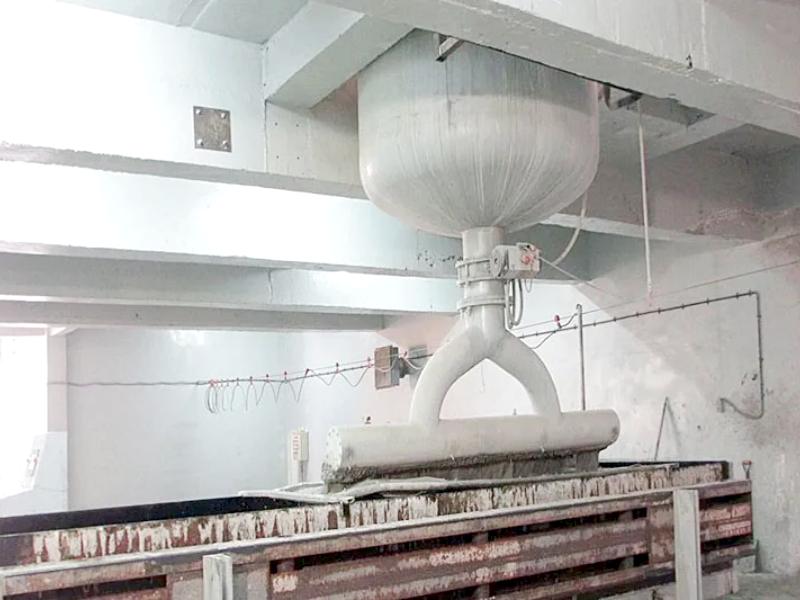

Принудительный смеситель: Смешивает твердое сырье и воду на высокой скорости для образования однородной суспензии, закладывая основу для пенообразования.
Емкость для смешивания алюминиевой пудры: Перемешивает суспензию алюминиевой пудры на низкой скорости, чтобы предотвратить седиментацию и обеспечить равномерную дисперсию.
Система вспенивания: Суспензия алюминиевого порошка вводится в пропорции, вступая в реакцию с суспензией, в результате чего образуются пузырьки, которые затем соединяются с миксером для автоматического управления.
3. Оборудование для литья и формовки
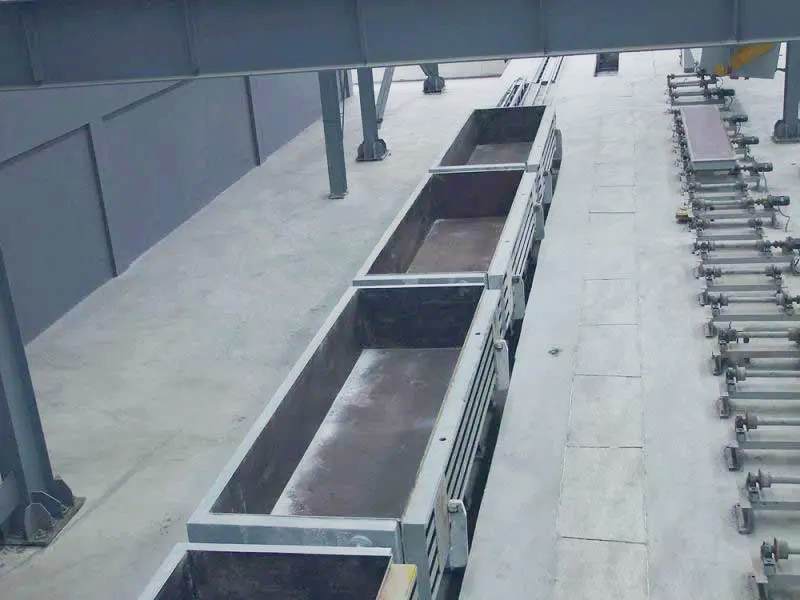
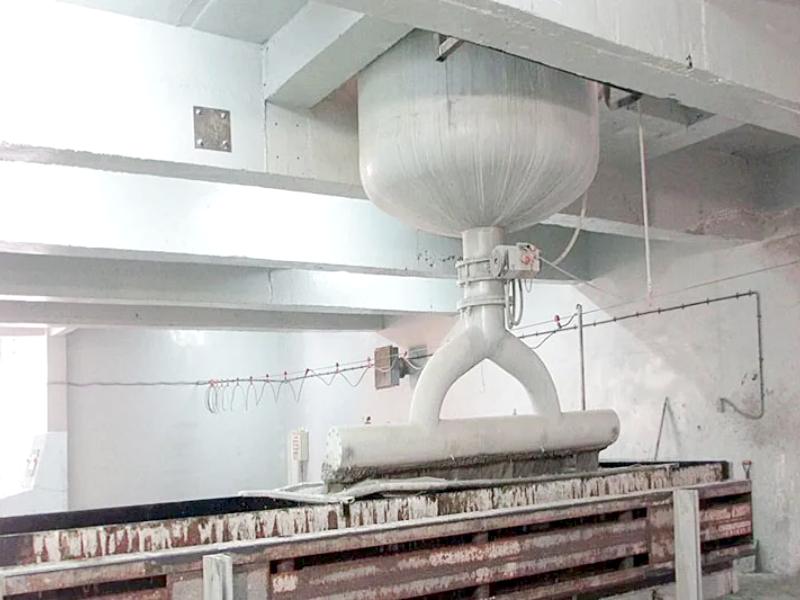
Формы: Изготовленные на заказ из высокопрочной стали со специальной обработкой поверхности, регулируемые по размеру для соответствия различным спецификациям продукции.
Литейные машины: Точный контроль объема впрыскиваемого шлама, а некоторые из них оснащены автоматическим перемещением для предотвращения нехватки материала или переполнения.
Камера полимеризации: Постоянная температура и влажность обеспечивают аэрацию и начальное схватывание шлама, что приводит к образованию однородной пористой структуры.
4. Оборудование для резки
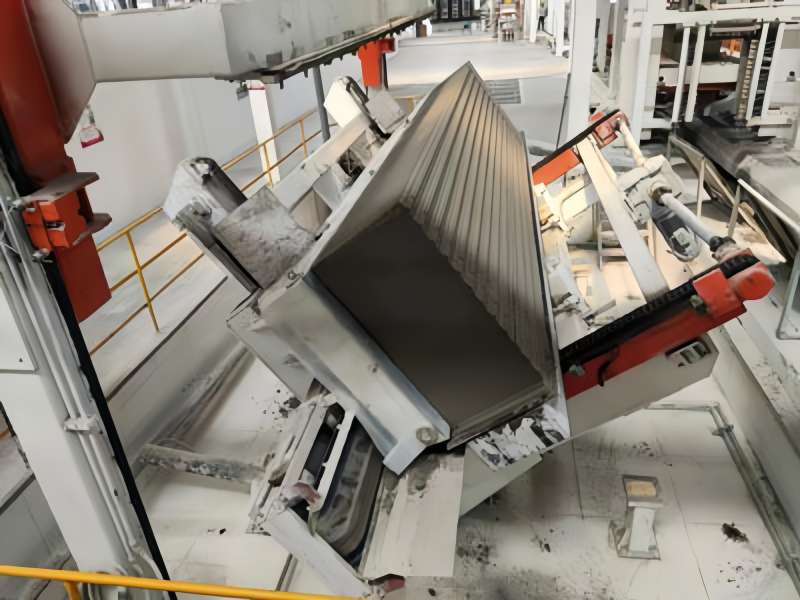
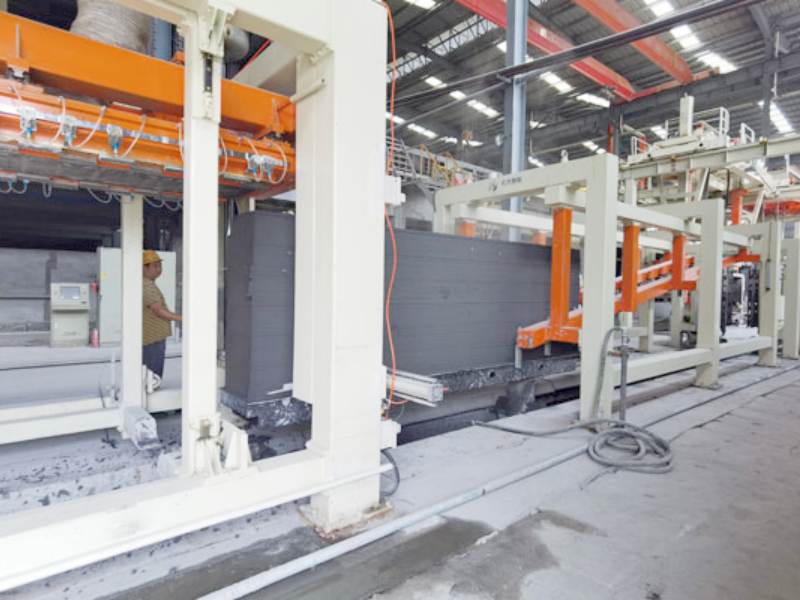
Поворотный стол: Приводимый в действие гидравликой, он плавно вращает формы и заготовки, что облегчает распалубку и резку.
Проволочная пила: Использует несколько комплектов высокопрочных стальных проволок для высокоскоростной резки. Система ЧПУ обеспечивает точность резки до миллиметра. Для большого проволокопильного оборудования он может выполнять непрерывную резку на нескольких станциях.
5. Оборудование для автоклавного отверждения
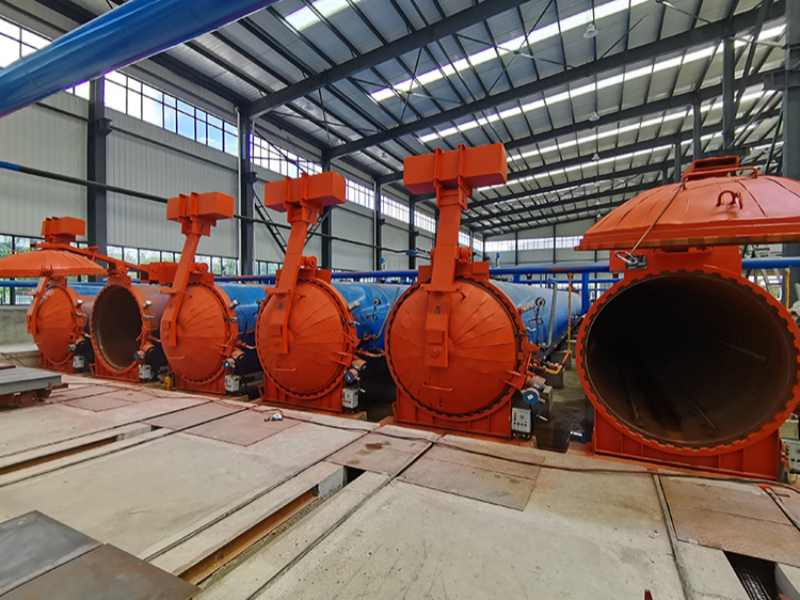

Автоклавы: В больших сосудах под давлением заготовки обрабатываются при температуре 180-200°C и давлении 10-12 бар, образуя высокопрочные гидраты силиката кальция. Оснащены защитными блокировками.
6. Вспомогательное оборудование

Паровые котлы: Подача стабильного пара для автоклавов и камер полимеризации, с различными вариантами нагрева.
Воздушный компрессор: Обеспечивает сжатым воздухом пневматическое оборудование, гарантируя правильную работу клапанов, зажимов и других устройств.
Система конвейерных лент: Транспортирует материалы в течение всего процесса. Использует ленточные или цепные конвейеры (выбираются в зависимости от потребностей материала) для автоматизированного непрерывного перемещения.
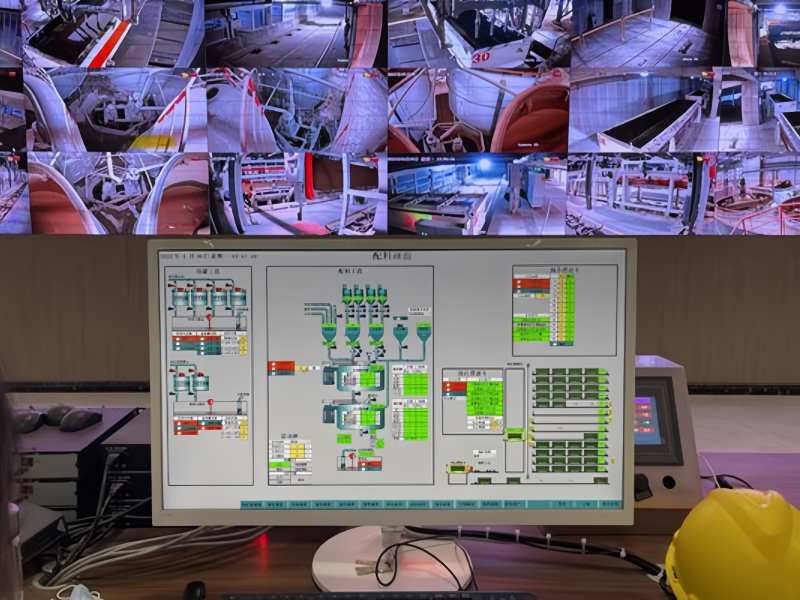
Система управления: Системы ПЛК или DCS контролируют и регулируют производственные параметры в режиме реального времени. Они регистрируют данные для управления и отслеживания, а также помогают оперативно решать проблемы.
FAQs
Q1: How long does it take to build an AAC brick plant?
Typically 6–10 months depending on capacity and civil work progress.
Q2: Can I start with a small plant and expand later?
Yes, but expansion must be planned during initial layout design.
Q3: What is the most important system in an AAC plant?
Cutting system and autoclave system are the most critical for product quality and stability.
Q4: Is AAC production profitable?
Yes, if raw material cost and production stability are properly controlled.
Q5: Do you provide full plant design or only equipment?
We provide full EPC-style plant solutions, including design, equipment, and technical support.