
What Is an AAC Brick Plant?
An AAC brick plant is a complete industrial system designed to produce autoclaved aerated concrete blocks through a continuous process: raw material preparation, mixing, casting, pre-curing, cutting, and autoclaving.
It is important to understand this clearly—an AAC plant is not a single production line. It is a fully integrated factory system, where every section must match in capacity, timing, and automation level.
If one part is undersized or over-designed, the whole plant loses balance.

Investment Structure of an AAC Plant
In real projects, investment is not just about equipment. It usually includes civil works, installation, utilities, and commissioning.
| Cost Component | Typical Share |
|---|---|
| Equipment system | 55%–65% |
| Civil construction | 15%–25% |
| Installation & commissioning | 8%–12% |
| Utilities (boiler, power, etc.) | 5%–10% |
The final investment depends heavily on:
- Plant capacity
- Automation level
- Raw material type
- Local construction conditions
A properly designed plant avoids hidden costs during operation, which is often more important than initial price differences.
Recommended Plant Capacities
Capacity selection determines almost everything in an AAC project.
| الطاقة الاستيعابية | Investment Level | Market Position | مناسب لـ |
|---|---|---|---|
| 100,000 متر مكعب/سنة | Lower | Entry market | First-time investors |
| 150,000 m³/year | متوسط | Balanced supply | Growing demand markets |
| 300,000 متر مكعب/سنة | High | Large-scale supply | Strong demand regions |
From experience, 150,000 m³/year is the most common choice because it balances investment risk and market flexibility.
Factory Layout Planning & Land Requirement
A common mistake we see is underestimating layout planning.
An AAC plant is not compact—it requires linear flow design.
Typical land requirement:
| الطاقة الاستيعابية | Land Area Needed |
|---|---|
| 100,000 m³ | 20,000–30,000 m² |
| 150,000 m³ | 30,000–45,000 m² |
| 300,000 m³ | 50,000–70,000 m² |
Key layout principles:
- Straight material flow (avoid backtracking)
- Separation of raw and finished zones
- Crane coverage planning for molds and blocks
- Autoclave positioning near cutting area
A poorly designed layout will increase labor cost and reduce efficiency permanently.
Production Line vs Full Plant Difference
Many clients confuse a “production line” with a “plant.”
| البند | Production Line | Full AAC Plant |
|---|---|---|
| Scope | Equipment system only | Entire factory |
| Includes civil works | No | Yes |
| Utilities | Partial | Full integration |
| Design responsibility | Limited | Full engineering |
A production line is only part of the system. A plant is a complete operational factory.
ROI of AAC Brick Plant Investment
AAC plants are long-term industrial investments. Profitability depends on stable operation, not only sales price.
Typical financial performance (150,000 m³ plant)
| البند | Value |
|---|---|
| Annual output | 150,000 m³ |
| Profit per m³ | $8–$12 |
| Annual profit | $1.2M–$1.8M |
| فترة الاسترداد | 2–3 years |
What often determines ROI is not market demand alone, but:
- Production stability
- Waste rate control
- Energy efficiency
- Labor management
Even a small improvement in efficiency has a large impact on annual profit.
Our Case Study
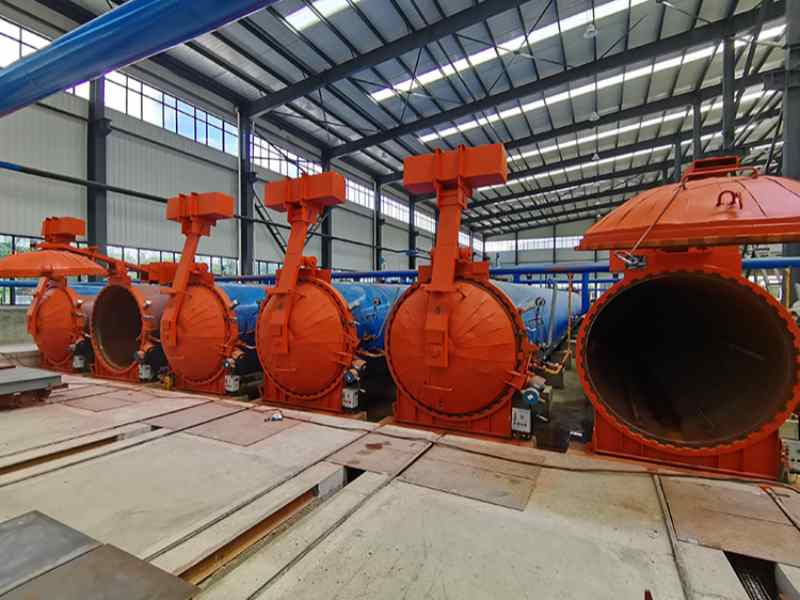
In Saudi Arabia, the client required a large-capacity AAC block manufacturing plant to support fast-growing infrastructure and mega construction projects.
The main challenge in this project was not equipment supply, but system stability under continuous high-load operation.
We designed a full turnkey solution including:
- High-capacity batching and slurry preparation system
- Fully synchronized cutting line for large daily output
- Multi-autoclave configuration for continuous curing cycles
- Reinforced automation system to reduce labor dependency
The plant was optimized for:
- Stable 24/7 operation
- High output consistency
- Reduced energy fluctuation in autoclave process
After commissioning, the system achieved stable mass production and was able to supply AAC blocks to multiple construction zones in Riyadh and surrounding industrial areas.

In India, the project conditions were completely different.
The client was entering the AAC market for the first time, so the priority was:
- Controlled investment
- قدرة إنتاج مرنة
- Easier operation management
- Stable local raw material adaptation
The main engineering challenge was raw material variability, especially sand quality differences across seasons.
We adjusted the system by:
- Optimizing raw material grinding and slurry consistency control
- Designing a more flexible batching ratio system
- Balancing automation level with local operator skill
- Simplifying layout to reduce internal material handling distance
After start-up, the plant achieved stable production and gradually expanded output as market demand increased.
How to Start Your AAC Plant Project
In most successful projects, the starting point is not quotation—it is engineering definition.
When we work with clients, we usually begin with:
- Target market analysis
- Raw material testing
- Capacity planning
- Land and layout evaluation
Based on this, we provide:
- Plant configuration proposal
- Equipment list
- Layout design
- Investment estimation
- ROI projection
This approach reduces risk before any equipment is manufactured.
Equipment Used in AAC Brick Plant
1. معدات مناولة المواد الخام
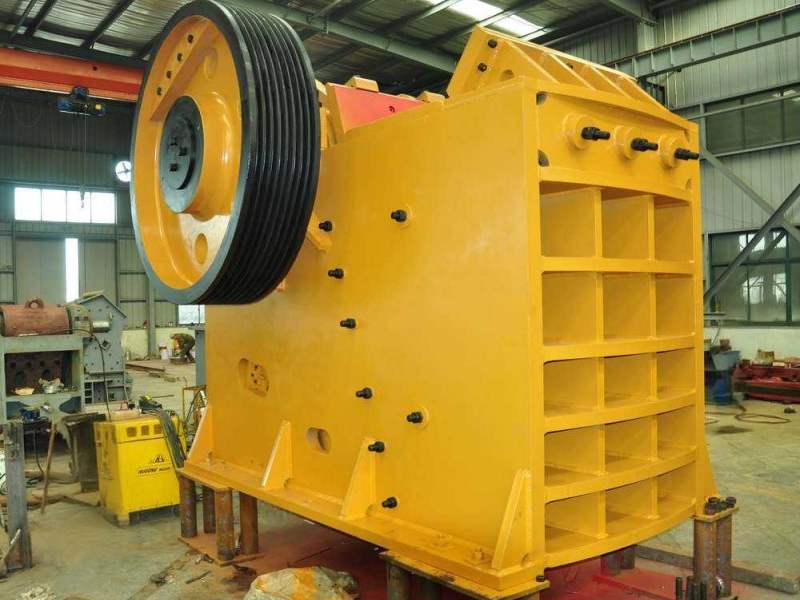
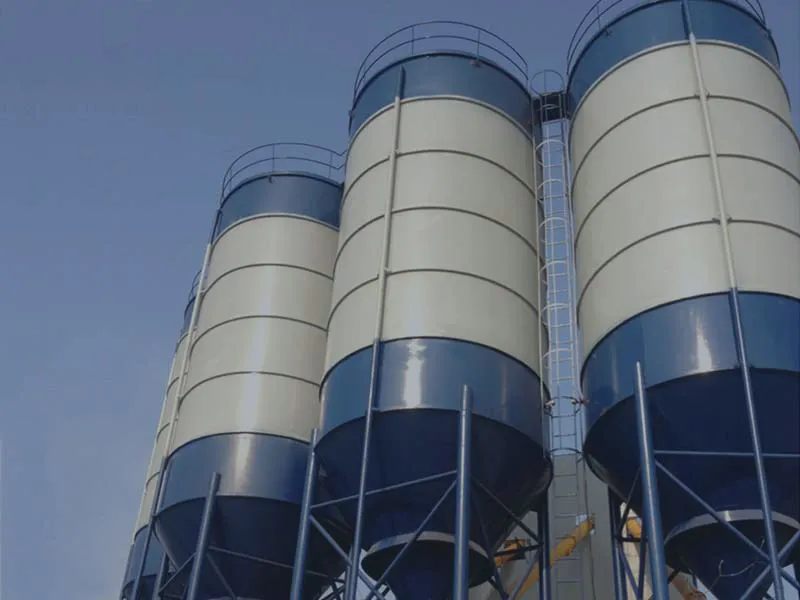
كسارة: تسحق المواد الخام مثل الرمل والجير إلى حجم الجسيمات المحدد. تستخدم الكسارات الفكية للمواد الصلبة، وتستخدم الكسارات الصدمية للتكسير الدقيق.
الفاحص: يستخدم الغربلة الاهتزازية لإزالة الشوائب والتأكد من أن جزيئات المواد الخام متجانسة في الحجم.
صومعة التخزين: يخزن المواد الخام المعالجة مسبقًا. يحتوي على جهاز لقياس المستوى وجهاز لإزالة الغبار للحفاظ على استمرار الإنتاج وتلبية متطلبات حماية البيئة.
ميزان الوزن: موازين حزامية أو حلزونية تقيس كميات المواد الخام بدقة لتقليل أخطاء التركيب.
2. معدات الخلط والرغوة
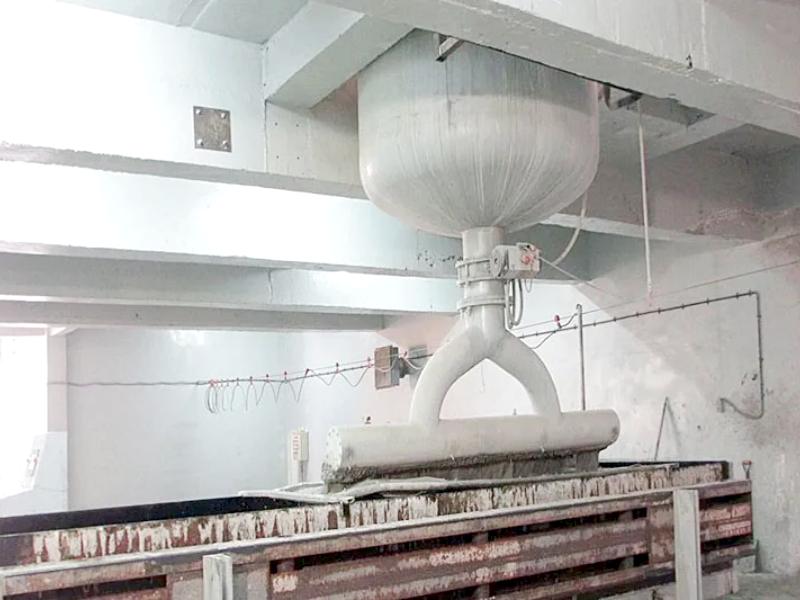

الخلاط القسري: يمزج المواد الخام الصلبة والماء بسرعة عالية لتشكيل ملاط متجانس، مما يضع الأساس للرغوة.
خزان خلط مسحوق الألومنيوم: يمزج معلق مسحوق الألومنيوم المعلق بسرعة منخفضة لمنع الترسبات وضمان التشتت المنتظم.
نظام الرغوة: يتم حقن معلق مسحوق الألومنيوم المعلق بنسبة للتفاعل مع الملاط لتوليد فقاعات، والتي يتم ربطها بعد ذلك بالخلاط للتحكم الآلي.
3. معدات الصب والتشكيل
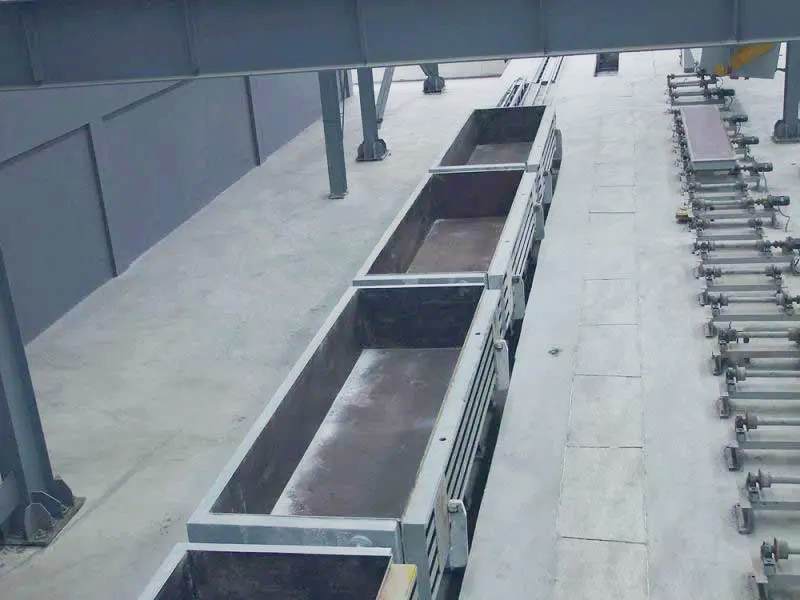
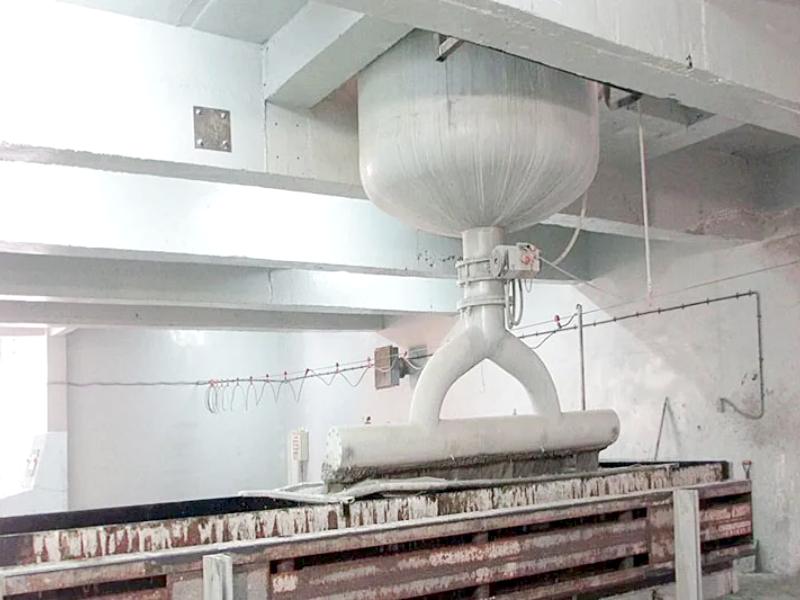
القوالب: فولاذ عالي القوة مصنوع خصيصًا مع معالجة سطحية خاصة، قابل للتعديل في الحجم لاستيعاب مواصفات المنتجات المختلفة.
ماكينات الصب: التحكم بدقة في حجم حقن الطين المحقون، وبعضها مزود بخاصية التنقل الأوتوماتيكي لمنع نقص المواد أو الفائض.
غرفة المعالجة: تضمن بيئة درجة الحرارة والرطوبة الثابتة تهوية الملاط والتثبيت الأولي، مما يؤدي إلى بنية مسامية موحدة.
4. معدات القطع
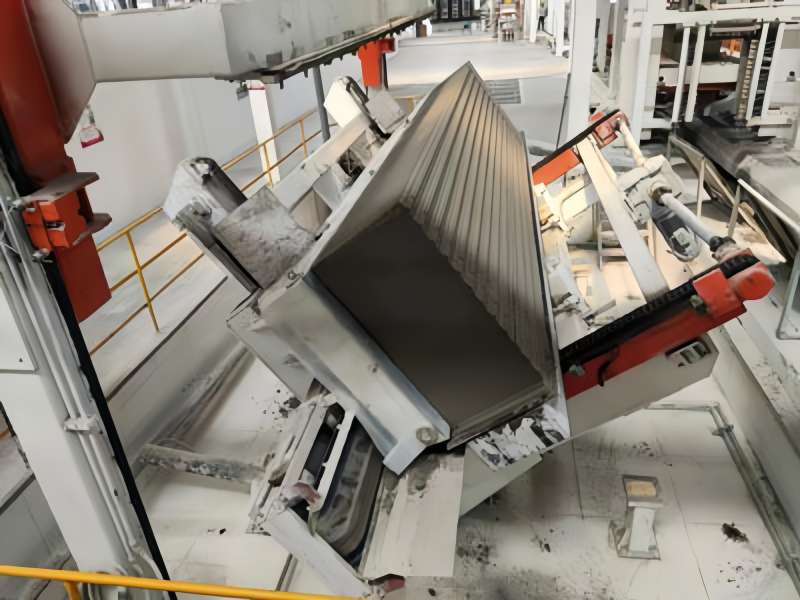
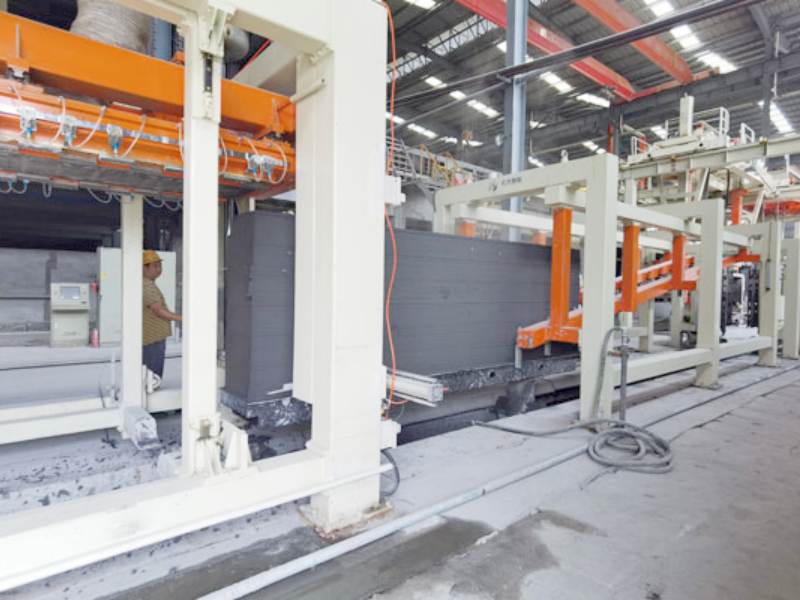
طاولة دوارة: مدفوعة بمكونات هيدروليكية، تقوم بتدوير القوالب والفراغات بسلاسة - وهذا يجعل عملية إزالة القوالب والقطع أسهل.
المنشار السلكي: يستخدم مجموعات متعددة من الأسلاك الفولاذية عالية القوة للقطع عالي السرعة. يضمن نظام التحكم الرقمي باستخدام الحاسب الآلي دقة القطع حتى المليمتر. بالنسبة لمعدات المناشير السلكية الكبيرة، يمكنها القيام بالقطع المستمر في محطات متعددة.
5. معدات المعالجة بالأوتوكلاف
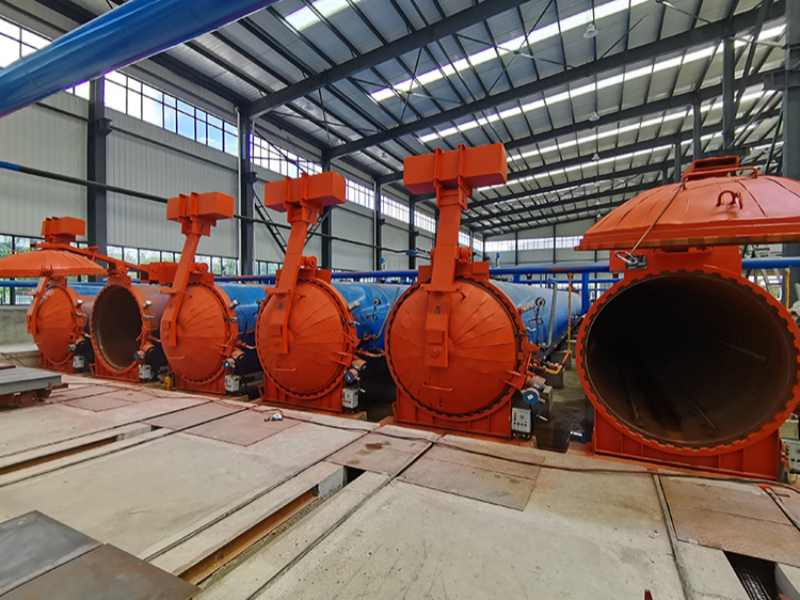

الأوتوكلاف: تعالج أوعية الضغط الكبيرة الفراغات عند درجات حرارة تتراوح بين 180-200 درجة مئوية وضغط يتراوح بين 10-12 بار، مما يشكل هيدرات سيليكات الكالسيوم عالية القوة. مجهزة بأجهزة تعشيق الأمان.
6. المعدات المساعدة

الغلايات البخارية: توريد بخار مستقر لأجهزة التعقيم وغرف المعالجة، مع توفر خيارات تسخين متنوعة.
ضاغط هواء: توفير الهواء المضغوط للمعدات الهوائية، وضمان عمل الصمامات والمشابك والأجهزة الأخرى بشكل صحيح.
نظام الحزام الناقل: نقل المواد خلال العملية بأكملها. تستخدم السيور أو السلاسل الناقلة (يتم اختيارها بناءً على احتياجات المواد) للحركة الآلية المستمرة.
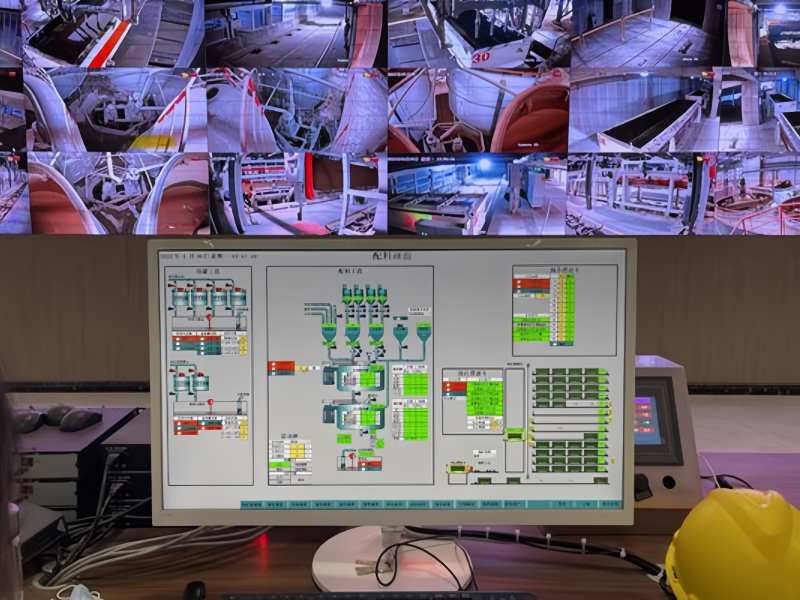
نظام التحكم: تراقب أنظمة PLC أو نظام التحكم المنطقي القابل للبرمجة (PLC) أو نظام التحكم الموزع (DCS) معلمات الإنتاج وتعدلها في الوقت الفعلي. وهي تسجل البيانات للإدارة والتتبع، وتساعد في حل المشكلات على الفور.
FAQs
Q1: How long does it take to build an AAC brick plant?
Typically 6–10 months depending on capacity and civil work progress.
Q2: Can I start with a small plant and expand later?
Yes, but expansion must be planned during initial layout design.
Q3: What is the most important system in an AAC plant?
Cutting system and autoclave system are the most critical for product quality and stability.
Q4: Is AAC production profitable?
Yes, if raw material cost and production stability are properly controlled.
Q5: Do you provide full plant design or only equipment?
We provide full EPC-style plant solutions, including design, equipment, and technical support.


