
What Is an AAC Blocks Manufacturing Machine?
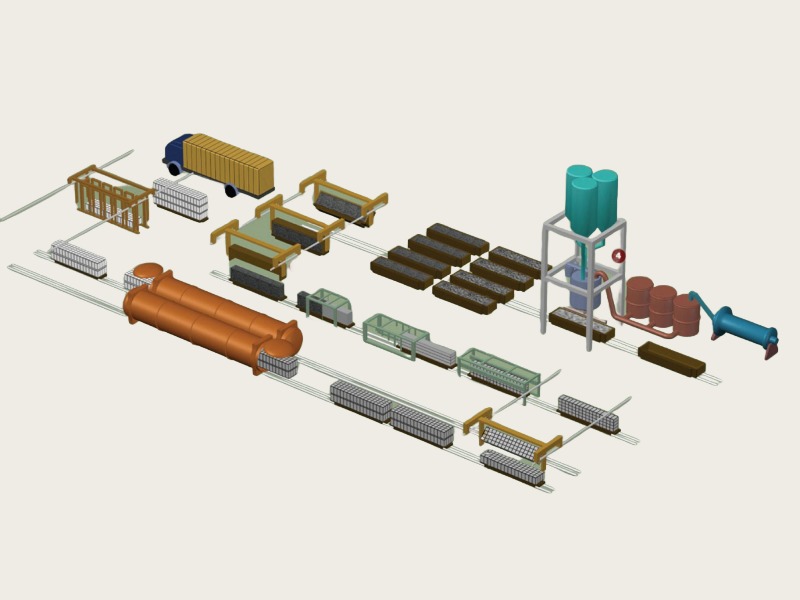
An AAC blocks manufacturing machine refers to the individual equipment units used within an AAC production line, covering mixing, casting, cutting, and curing processes.
In practice, it can mean anything from a single cutting machine to a full integrated production line.

Are You Looking for a Single Machine or a Full Line?
This is the most important question in the early stage.
| Option | What It Means | مناسب لـ |
|---|---|---|
| Single machine | Individual equipment (e.g., cutter, mixer) | Existing plant upgrade |
| Full line | Complete AAC production system | New factory investment |
We often see new investors underestimate this difference. Buying a single machine without system compatibility usually leads to integration issues later.
Main Types of AAC Machines
1. معدات مناولة المواد الخام
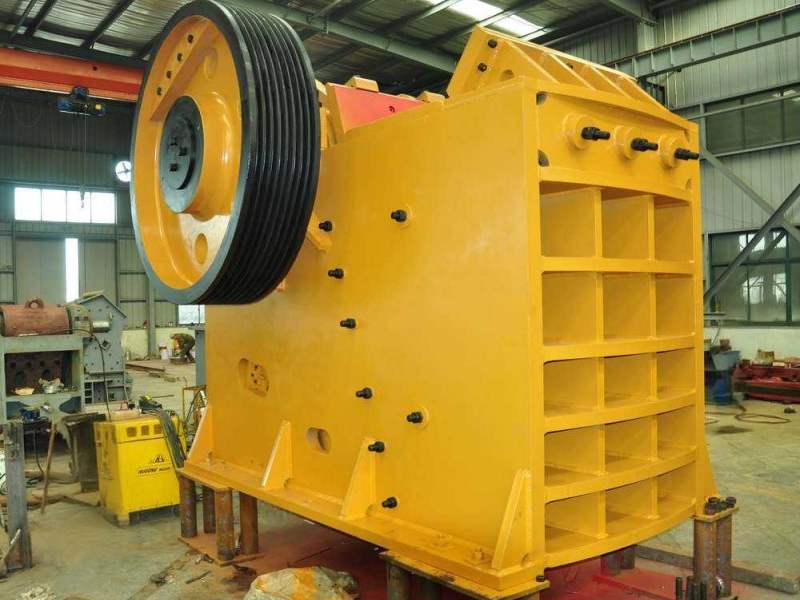
كسارة: تسحق المواد الخام مثل الرمل والجير إلى حجم الجسيمات المحدد. تستخدم الكسارات الفكية للمواد الصلبة، وتستخدم الكسارات الصدمية للتكسير الدقيق.
الفاحص: يستخدم الغربلة الاهتزازية لإزالة الشوائب والتأكد من أن جزيئات المواد الخام متجانسة في الحجم.
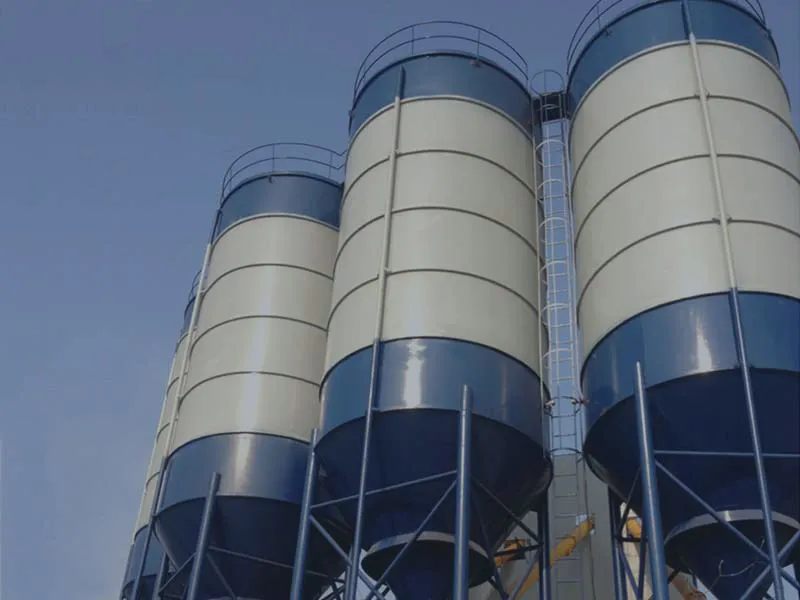
صومعة التخزين: يخزن المواد الخام المعالجة مسبقًا. يحتوي على جهاز لقياس المستوى وجهاز لإزالة الغبار للحفاظ على استمرار الإنتاج وتلبية متطلبات حماية البيئة.
ميزان الوزن: موازين حزامية أو حلزونية تقيس كميات المواد الخام بدقة لتقليل أخطاء التركيب.
2. معدات الخلط والرغوة
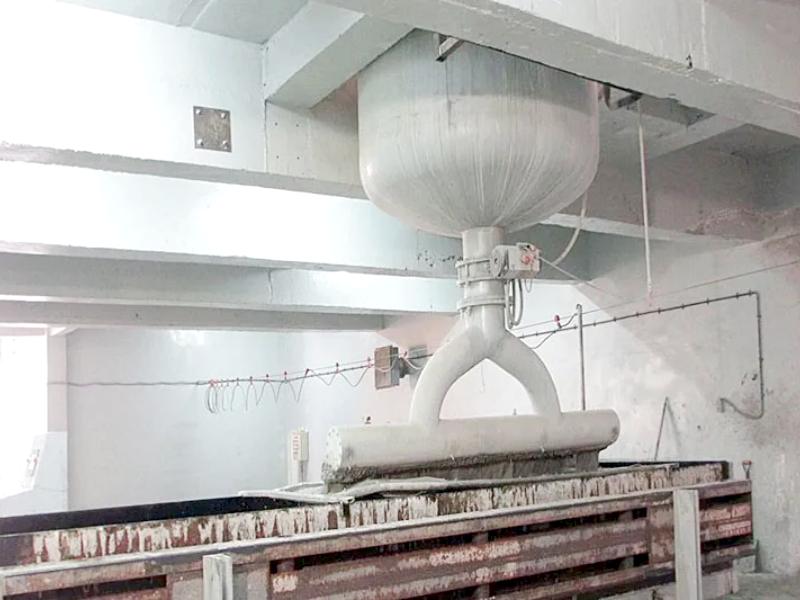

الخلاط القسري: يمزج المواد الخام الصلبة والماء بسرعة عالية لتشكيل ملاط متجانس، مما يضع الأساس للرغوة.
خزان خلط مسحوق الألومنيوم: يمزج معلق مسحوق الألومنيوم المعلق بسرعة منخفضة لمنع الترسبات وضمان التشتت المنتظم.
نظام الرغوة: يتم حقن معلق مسحوق الألومنيوم المعلق بنسبة للتفاعل مع الملاط لتوليد فقاعات، والتي يتم ربطها بعد ذلك بالخلاط للتحكم الآلي.
3. معدات الصب والتشكيل
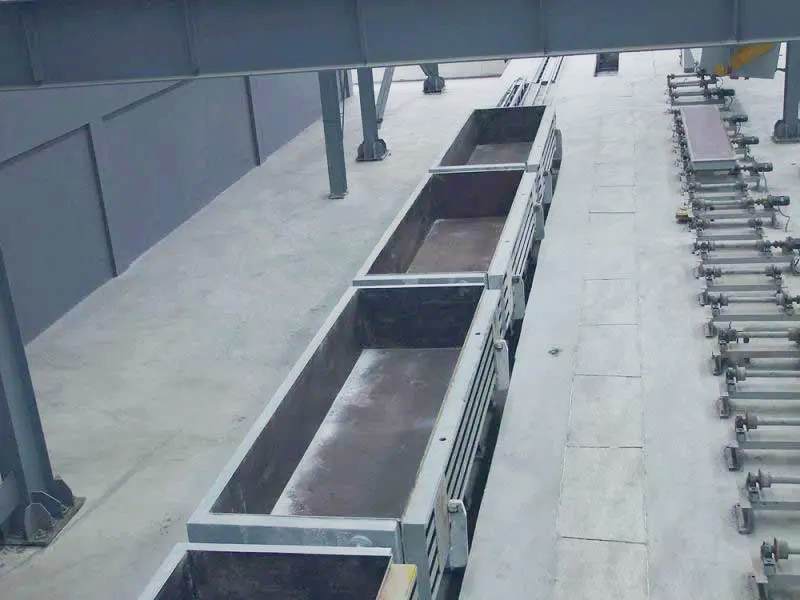
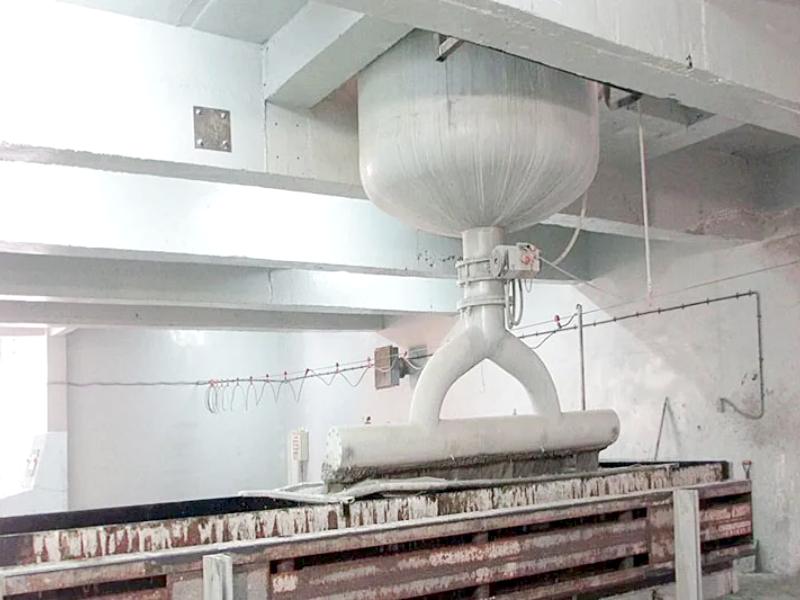
القوالب: فولاذ عالي القوة مصنوع خصيصًا مع معالجة سطحية خاصة، قابل للتعديل في الحجم لاستيعاب مواصفات المنتجات المختلفة.
ماكينات الصب: التحكم بدقة في حجم حقن الطين المحقون، وبعضها مزود بخاصية التنقل الأوتوماتيكي لمنع نقص المواد أو الفائض.
غرفة المعالجة: تضمن بيئة درجة الحرارة والرطوبة الثابتة تهوية الملاط والتثبيت الأولي، مما يؤدي إلى بنية مسامية موحدة.
4. معدات القطع
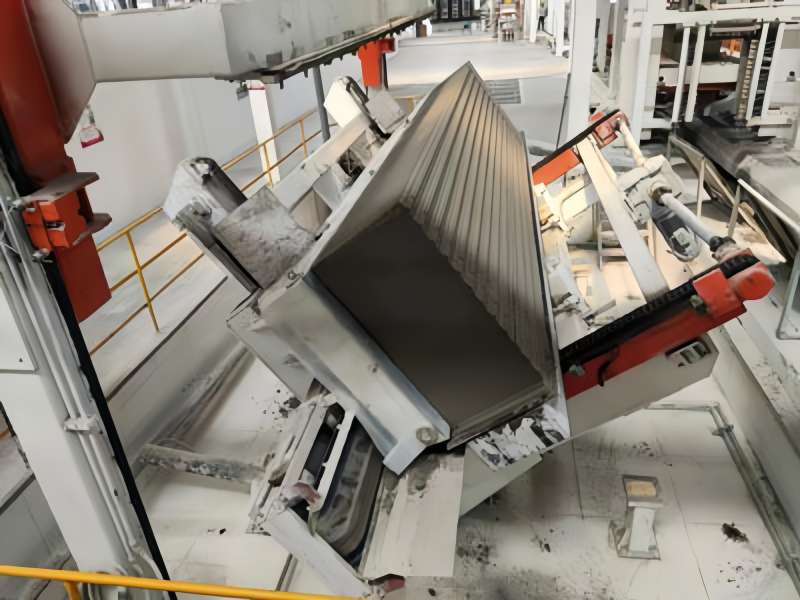
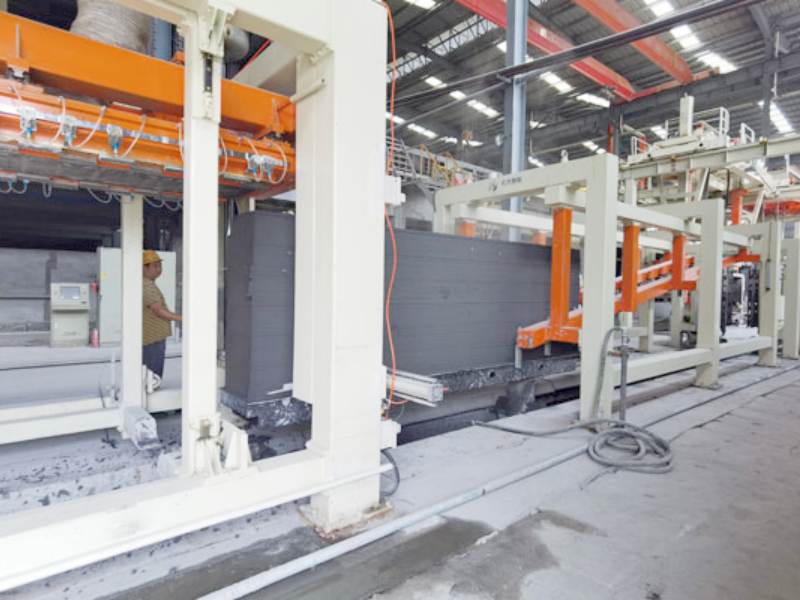
طاولة دوارة: مدفوعة بمكونات هيدروليكية، تقوم بتدوير القوالب والفراغات بسلاسة - وهذا يجعل عملية إزالة القوالب والقطع أسهل.
المنشار السلكي: يستخدم مجموعات متعددة من الأسلاك الفولاذية عالية القوة للقطع عالي السرعة. يضمن نظام التحكم الرقمي باستخدام الحاسب الآلي دقة القطع حتى المليمتر. بالنسبة لمعدات المناشير السلكية الكبيرة، يمكنها القيام بالقطع المستمر في محطات متعددة.
5. معدات المعالجة بالأوتوكلاف
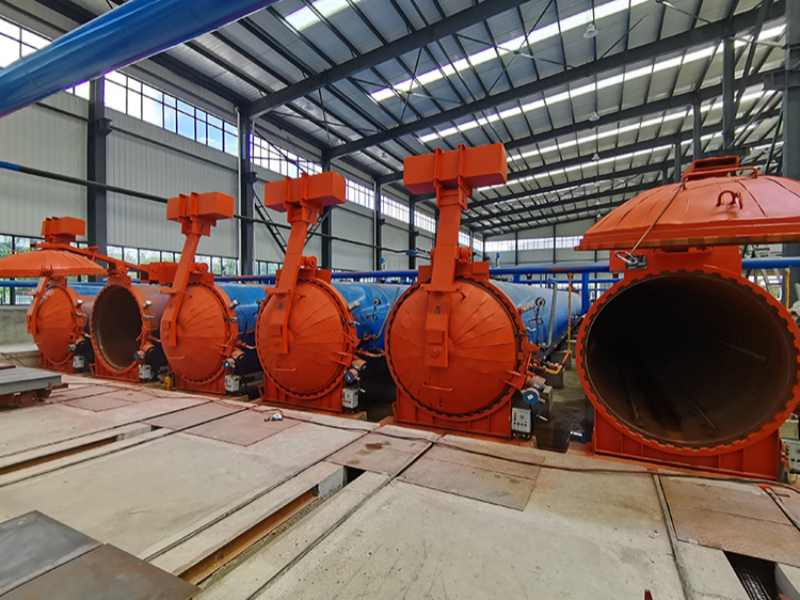

الأوتوكلاف: تعالج أوعية الضغط الكبيرة الفراغات عند درجات حرارة تتراوح بين 180-200 درجة مئوية وضغط يتراوح بين 10-12 بار، مما يشكل هيدرات سيليكات الكالسيوم عالية القوة. مجهزة بأجهزة تعشيق الأمان.
6. المعدات المساعدة

الغلايات البخارية: توريد بخار مستقر لأجهزة التعقيم وغرف المعالجة، مع توفر خيارات تسخين متنوعة.
ضاغط هواء: توفير الهواء المضغوط للمعدات الهوائية، وضمان عمل الصمامات والمشابك والأجهزة الأخرى بشكل صحيح.
نظام الحزام الناقل: نقل المواد خلال العملية بأكملها. تستخدم السيور أو السلاسل الناقلة (يتم اختيارها بناءً على احتياجات المواد) للحركة الآلية المستمرة.
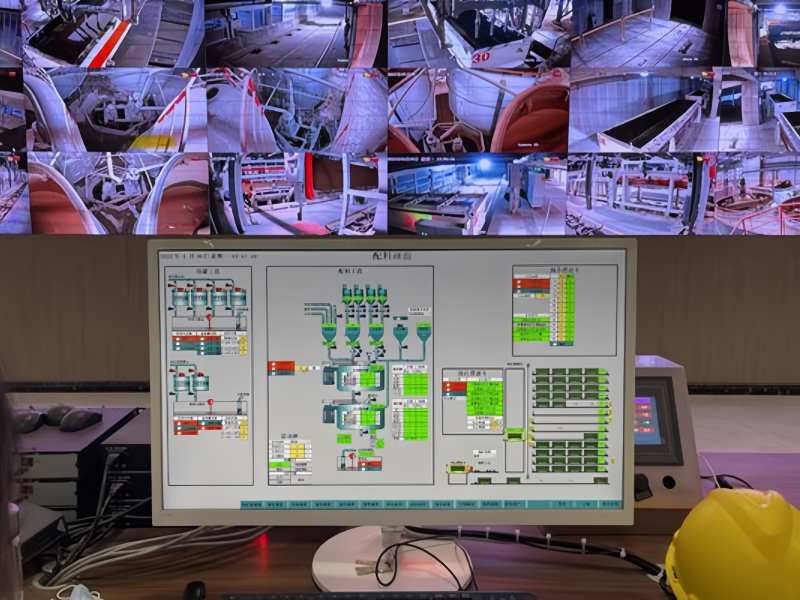
نظام التحكم: تراقب أنظمة PLC أو نظام التحكم المنطقي القابل للبرمجة (PLC) أو نظام التحكم الموزع (DCS) معلمات الإنتاج وتعدلها في الوقت الفعلي. وهي تسجل البيانات للإدارة والتتبع، وتساعد في حل المشكلات على الفور.
Capabilities of AAC Blocks Manufacturing Machine
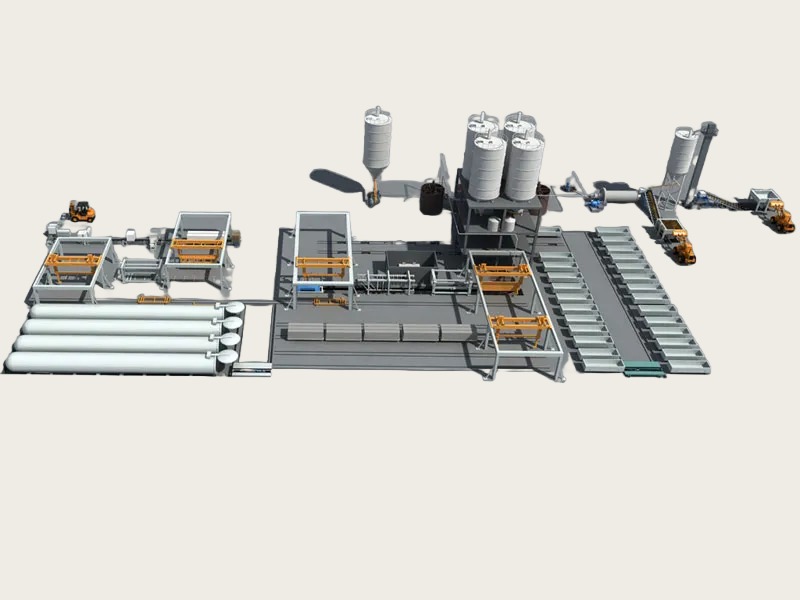
صغيرة/صغيرة AAC Production Line
الطاقة الاستيعابية: 30000-1000000000 م3/سنة
الأوتوكلاف: 1-3 مجموعات
المصنع:: حوالي 4000-10000 م2
الأنواع:: شبه أوتوماتيكي/آلي بالكامل
الميزات:: استثمار أولي منخفض، ومرونة عالية.
مناسبة لـ: الشركات الناشئة أو الشركات ذات الاستثمار المحدود والطلب المحدود في السوق.
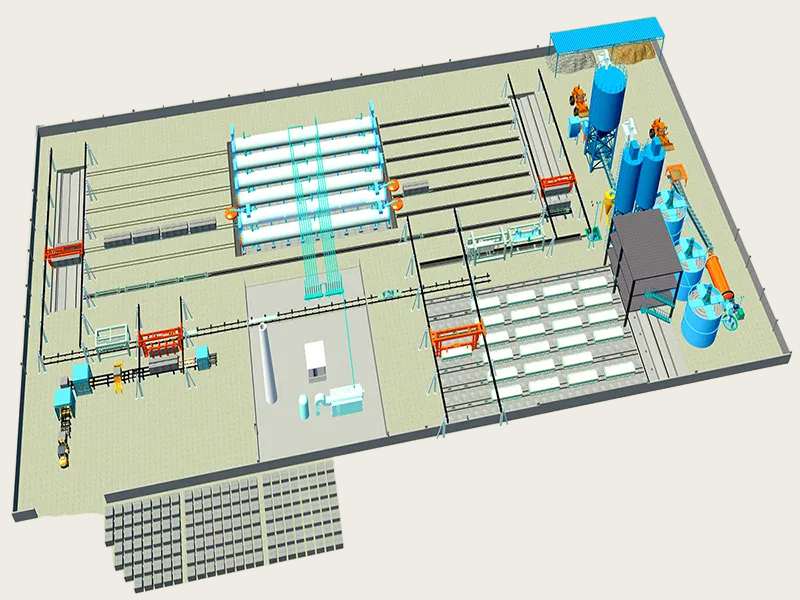
متوسط النطاق AAC Production Line
الطاقة الاستيعابية: 100000-200000 م3/سنة
الأوتوكلاف: 4-8 مجموعات
المصنع:: حوالي 10000-20000 م2
النوع:: أوتوماتيكية بالكامل
الميزات:: القدرة الإنتاجية المستقرة، والتكاليف التي يمكن التحكم فيها، والمرونة والإنتاج على نطاق واسع.
مناسبة لـ: الشركات ذات الحصة السوقية المحددة والطلب المستقر.
Technical Parameters That Actually Matter
When comparing machines, most clients focus on price first.
But in real operation, these parameters matter more:
| المعلمة | ما أهمية ذلك |
|---|---|
| Cutting accuracy | Affects block size consistency |
| Mixing uniformity | Impacts strength and density |
| Autoclave pressure stability | Determines final quality |
| Cycle time | Directly affects capacity |
| Automation level | Impacts labor and stability |
We’ve seen plants with similar investment perform very differently simply because of these parameters.
Manual vs Semi-Auto vs Fully Automatic
This is where investment strategy becomes clear.
| النوع | متطلبات العمل | Stability | Investment Level |
|---|---|---|---|
| Manual | High | Low | Low |
| شبه أوتوماتيكي | متوسط | متوسط | متوسط |
| أوتوماتيكي بالكامل | Low | High | High |
From experience, manual systems only work in very small or experimental setups. For commercial production, semi-auto is the minimum baseline.
Cost vs Output: What Makes Financial Sense?
AAC investment should always be evaluated through output efficiency, not just purchase cost.
Example ROI Comparison
| Setup Type | Investment | المخرجات اليومية | Operational Stability |
|---|---|---|---|
| Low-cost system | Lower | Unstable | High risk |
| Optimized system | Higher | Stable | Predictable |
A cheaper system often results in:
- Higher defect rate
- More labor dependency
- Lower long-term profit
In most cases, the “cheapest option” becomes the most expensive over time.
Common Mistakes When Buying AAC Machines
From our project experience, the same mistakes appear repeatedly:
- Buying equipment based only on price
- Ignoring system compatibility
- Underestimating autoclave requirements
- Overlooking cutting precision
- No layout planning before purchase
The biggest issue is not technical—it’s decision sequencing.
Our Real Case
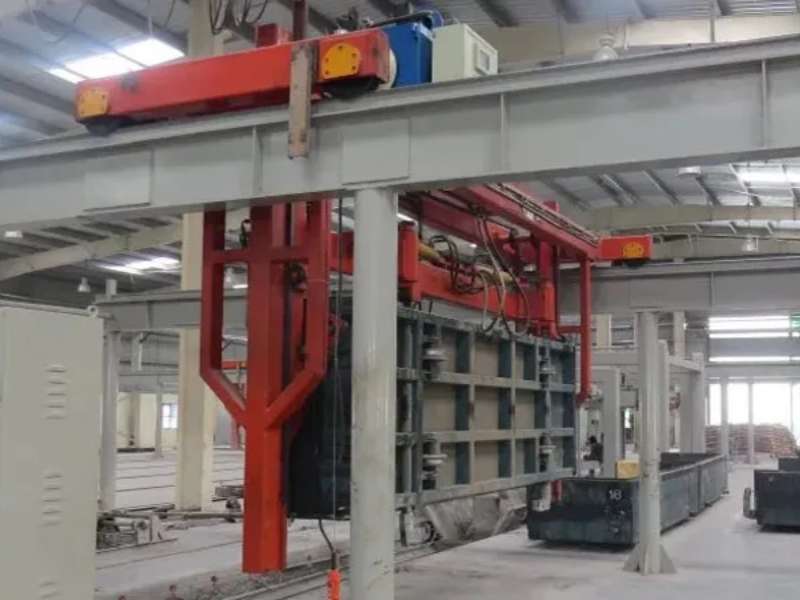
In this project, the client initially purchased partial equipment from different suppliers to reduce upfront cost.
After installation, several issues appeared:
- Cutting system was not aligned with mold design
- Material flow was inconsistent
- Production cycle delays occurred
After technical review, the client restructured the system with a unified configuration.
Result after adjustment:
- Better overall output consistency
- Stable production achieved
- Significant reduction in downtime

This project started with a conservative equipment plan.
However, after reviewing local market conditions:
- Demand growth was faster than expected
- Supply gap was significant
We recommended upgrading to a more integrated production line instead of a basic setup.
Final outcome:
- Faster production ramp-up
- Better market coverage
- Reduced need for early expansion
Talk to Our Engineers Before You Buy
Before purchasing any AAC equipment, the most important step is not comparing prices—it is confirming your system design.
When you contact us, it helps if you provide:
- Target capacity
- Raw material type (fly ash or sand)
- Project location
- Investment range
Based on this, we can help you define:
- Suitable machine configuration
- Production layout
- Investment structure
- ROI expectation
This avoids most of the costly mistakes we see in early-stage projects.
FAQs
Q1: Can I buy only one AAC machine and expand later?
Yes, but only if expansion is planned in the initial layout design.
Q2: What is the most important machine in AAC production?
Cutting system and autoclave system are the most critical for quality stability.
Q3: Is fully automatic always better?
Not always. It depends on labor cost, market size, and investment strategy.
Q4: How long does installation take?
Typically 6–10 months depending on plant size and configuration.
Q5: Do you provide full production line design?
Yes, we design based on raw materials, capacity, and market conditions.


