
Practical Investment Guide
AAC (Autoclaved Aerated Concrete) blocks have become a preferred building material in many regions due to their lightweight structure, thermal insulation, and cost efficiency. For investors, the opportunity is clear—but success depends on understanding the real cost structure behind setting up an AAC plant.
This guide walks you through the actual investment required, where the money goes, and how to plan for a profitable operation.complete, working system rather than a collection of separate components.

Total Investment Required to Start AAC Plant
The total cost of setting up an AAC block manufacturing plant varies depending on capacity, automation level, and local conditions. However, most projects fall within a predictable range.
Typical Investment Range
- Small-scale plant (20,000–50,000 m³/year): $400,000 – $800,000
- Medium-scale plant (50,000–150,000 m³/year): $800,000 – $2 million
- Large-scale plant (150,000+ m³/year): $2 million – $5 million+
What Drives the Cost
Several factors directly influence your total investment:
- Level of automation (manual, semi-automatic, fully automatic)
- Local labor and construction costs
- Availability of raw materials (fly ash, sand, lime, cement)
- Equipment configuration and customization
- Energy and infrastructure requirements
Two plants with the same capacity can differ in cost by 20–30% depending on how the system is configured
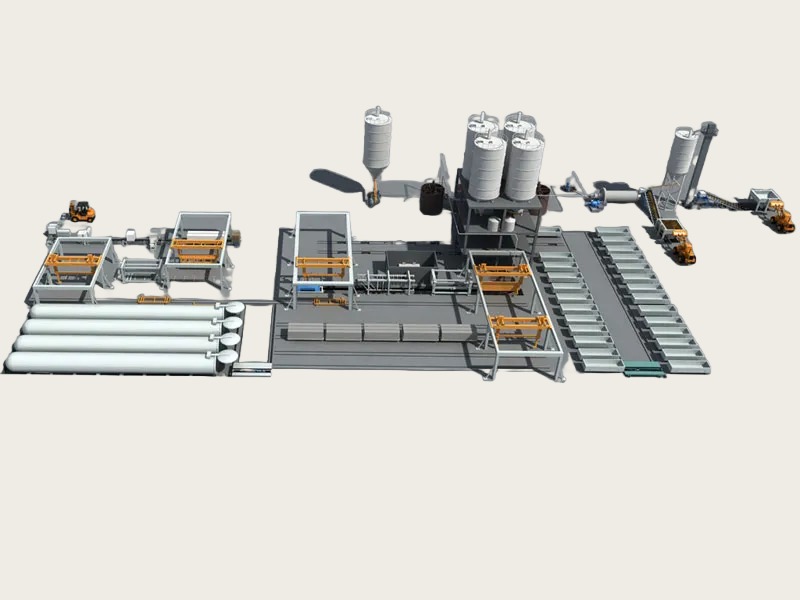
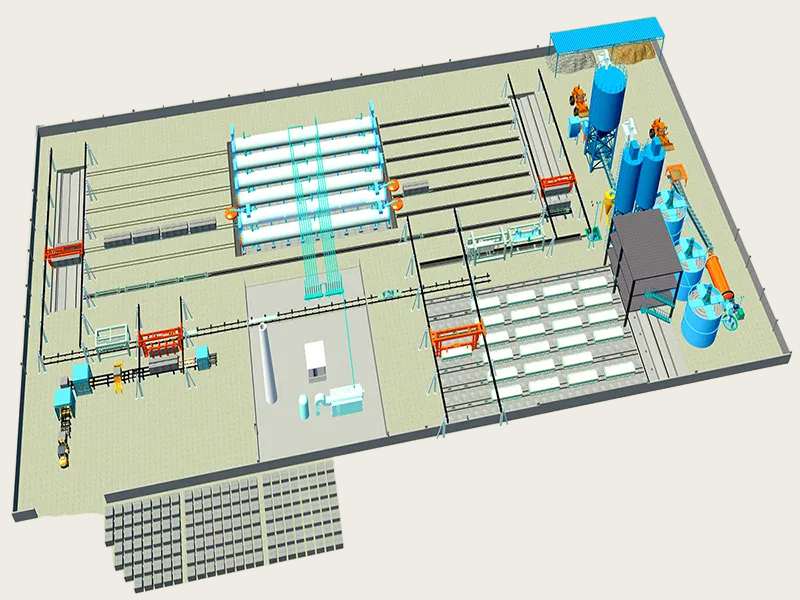
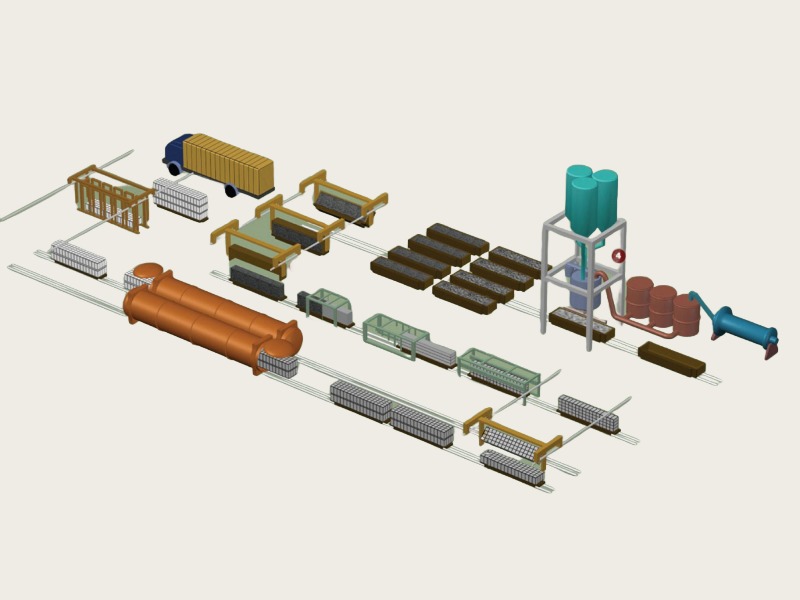
Step-by-Step Setup Cost Breakdown
Understanding where your money goes is essential for controlling investment and avoiding unnecessary spending.
Land and Site Development
- Cost: $50,000 – $200,000
- Includes land purchase/lease, leveling, drainage, and access roads
Tip: Choose a site close to raw materials to reduce long-term logistics costs.
Civil Construction
- Cost: $80,000 – $300,000
- Covers factory buildings, curing areas, storage zones, and office space
Tip: Overbuilding at the start is a common mistake. Design for current capacity with room for expansion.
Machinery and Equipment
- Cost: $250,000 – $1.5 million+
- Core systems include batching, mixing, casting, cutting, and autoclaving
Tip: This is where most of your budget goes. Focus on reliability, not just price.
Installation and Commissioning
Cost: $30,000 – $100,000
Includes engineer support, system integration, and trial production
Raw Materials and Initial Working Capital
Cost: $20,000 – $80,000
Required for the first production cycles before revenue starts
Labor and Utilities Setup
Cost: $10,000 – $50,000
Recruitment, training, electricity setup, and water systems
| Cost Component | Typical Share |
|---|---|
| Equipamento | 50% – 65% |
| Civil Construction | 15% – 25% |
| Land & Site | 10% – 15% |
| Installation & Others | 10% |
Investment by Capacity
Capacity planning is one of the most important financial decisions.
Investment Comparison
| Capacidade | Investment Range | Adequado para |
|---|---|---|
| 20,000 m³/year | $400K – $600K | New investors, small markets |
| 50,000 m³/year | $600K – $1M | Growing regional demand |
| 100 000 m³/ano | $1M – $2M | Established markets |
| 200,000+ m³/year | $2M+ | Industrial-scale production |
How to Choose the Right Capacity
- Start small if your market is not yet developed
- Scale up if you already have distribution channels
- Avoid oversizing—unused capacity ties up capital
Your plant should be able to sell at least 70% of its output within the first year
ROI & Payback Period
AAC plants are attractive because of their relatively fast return on investment when managed properly.
Typical Financial Model (Example: 20,000 m³/year):
- Selling price: $40 – $70 per m³
- Annual revenue: $800,000 – $1.4 million
- Operating cost: 50% – 65%
Profit & Payback:
- Estimated annual profit: $300,000 – $600,000
- Período de retorno do investimento: 1.5 – 3 years
What Impacts Profitability:
- Local selling price
- Raw material costs
- Production efficiency
- Equipment reliability
- Sales network strength
Business Plan Tips
A well-structured business plan is often the difference between a profitable plant and a struggling one.
1. Start with Market Demand
Before investing, answer:
- Who will buy your AAC blocks?
- What price does the market accept?
- Who are your competitors?
2. Secure Raw Materials Early
Stable supply of:
- Fly ash or sand
- Lime and cement
Unstable supply chains can quickly erode margins.
3. Choose the Right Automation Level
- Lower automation = lower initial cost, higher labor dependency
- Higher automation = higher investment, better consistency
Match your setup to local labor conditions.
4. Plan for Sales, Not Just Production
Many investors focus too much on equipment and ignore distribution.
- Build relationships with contractors and developers
- Develop a local dealer network
- Offer consistent quality to retain customers
5. Work with an Experienced Supplier
An experienced supplier can help you:
- Avoid over-investment
- Optimize plant layout
- Reduce operational risks
Fábrica de betão celular autoclavado relacionada




Start Your AAC Plant with Confidence
Setting up an AAC block manufacturing plant is not just about buying machines—it’s about building a sustainable business.
If you are planning to invest, the most efficient next step is to get a customized cost and configuration plan based on your market.
Share your:
- Target capacity
- Country or region
- Budget range
We will provide a tailored solution covering:
- Equipment configuration
- Layout planning
- Detailed investment breakdown
Send your inquiry today and get a clear, actionable plan for your AAC plant project.