
What Is a Cement Blocks Manufacturing Plant?
At its core, a cement block plant is a continuous production system, not just a single machine.
A typical setup includes:
- Batching & mixing system – where cement, sand, aggregates, and water are proportioned
- Block forming machine – the main unit that shapes blocks using vibration + hydraulic pressure
- Pallet handling system – moves fresh blocks without deformation
- Curing area – where blocks gain strength over time
The output is flexible. Depending on molds, you can produce:
- Hollow blocks (standard construction)
- Solid blocks (load-bearing)
- Pavers (higher margin in some markets)
What matters here is not the machine itself—it’s how well these parts are matched to your target production volume.

Cement Blocks Manufacturing Plant Cost Overview
Based on the projects we’ve delivered, here is a practical price reference:
| Plant Type | Capacity (Blocks/Day) | Price Range (USD) |
|---|---|---|
| Manual | 1,000 – 3,000 | $5,000 – $15,000 |
| Semi-automatic | 3,000 – 10,000 | $20,000 – $80,000 |
| Fully automatic | 10,000 – 30,000+ | $100,000 – $500,000+ |
We often see buyers comparing quotes line by line, but the difference usually comes down to scope.
For example:
- One quote may include only the block machine
- Another may include mixer, conveyors, pallets, and control system
What Determines the Final Price
From our experience, four factors drive most of the cost difference.
Automation level
If labor is affordable in your region, a semi-automatic line is often the more practical choice. Fully automatic systems make sense when you need consistency and higher output.
Required production capacity
Higher capacity doesn’t just mean a bigger machine. It requires:
- Faster cycle time
- More pallets in circulation
- Stronger hydraulic system
This is where cost increases quickly.
Product flexibility (molds)
If you plan to supply different block sizes, additional molds are required. Many clients prefer to start with 1–2 types and expand later.
Material handling system
Manual feeding reduces initial investment but limits efficiency. Automated batching and conveying improve consistency, especially for long-term operation.
Full Investment Breakdown (What You Actually Need to Budget)
Equipment is only part of the picture. A realistic project budget usually looks like this:
| Cost Component | Share of Total Investment |
|---|---|
| Equipment | 40% – 60% |
| Land & Civil Work | 10% – 20% |
| Initial Raw Materials | 10% – 15% |
| Labor Setup | 5% – 10% |
| Power Infrastructure | 5% – 10% |
| Transport & Installation | 5% – 10% |
One thing we always remind clients: leave enough working capital.
A plant may be installed in 30 days, but it takes time to stabilize production and build steady sales.
ROI: What You Can Expect in Practice
Instead of theoretical calculations, here’s a typical scenario from our mid-sized projects:
- Output: 6,000–8,000 blocks/day
- Net margin: $0.04–$0.06 per block
- Daily profit: around $300–$450
At this level, most clients recover their investment in:
6 to 12 months
Of course, this depends heavily on:
- Local construction demand
- Cement and aggregate prices
- Sales channels
We’ve seen similar machines perform very differently in different markets. The setup matters, but so does how you sell the product.
Real Project Cases
Instead of generic examples, here are two real AAC plant projects we delivered recently. You can also review the full project details to better understand how each setup was planned and executed.

This project was developed for a client already active in construction materials distribution. The objective was to enter AAC production with a controlled investment while maintaining flexibility.
- Capacity: 80,000–100,000 m³/year
- Configuration: Medium-scale AAC production line
- Market focus: Local contractors and real estate developers
In this case, we optimized the system around locally available fly ash, which significantly reduced long-term production cost. The plant was also configured to produce multiple block sizes, allowing the client to serve different types of projects without additional investment.
Instead of pushing maximum output immediately, the client scaled production gradually as orders increased.
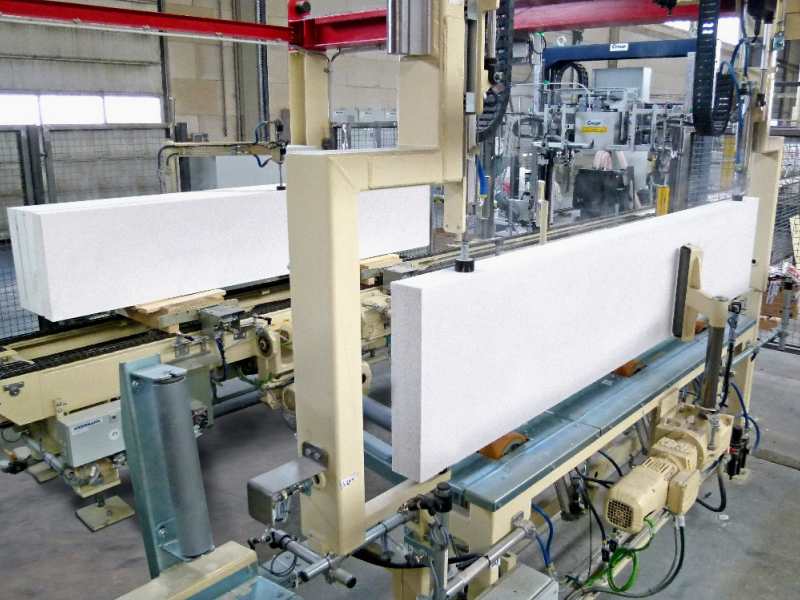
This project was located in Cairo and designed for fast deployment to meet growing demand from large-scale construction projects.
- Capacity: 90,000 m³/year
- Configuration: Semi-automatic AAC plant
- Positioning: Government housing and infrastructure supply
We adjusted the production system based on local raw materials such as Nile sand and kaolin, and made specific modifications to handle high-temperature operating conditions.
The plant was commissioned quickly and reached stable production with a high qualification rate. The client secured multiple supply contracts shortly after startup.
How to Choose the Right Supplier
By the time you reach this stage, price is no longer the only concern.
Here’s what we recommend you check carefully:
1. Whether the supplier provides a complete solution
Equipment alone is not enough. Layout planning and system matching are just as important.
2. Real project experience
Ask for actual project references. Photos and videos from working sites tell you much more than catalogs.
3. Installation and training
Proper commissioning directly affects production efficiency.
4. After-sales support
Downtime can be costly. Reliable technical support and spare parts availability are essential.
Recommended Setup Based on Your Budget
If you’re still deciding where to start, this is how we usually guide clients:
| Budget Range | Suggested Configuration |
|---|---|
| <$20,000 | Manual or basic semi-automatic |
| $20,000–$80,000 | Standard semi-automatic line |
| $100,000+ | Fully automatic production line |
For most new investors, a semi-automatic plant offers a balanced starting point. It keeps the initial investment manageable while allowing room for growth.
FAQs About Cement Block Plant Cost
How long does installation take?
Typically 20–40 days, depending on site preparation.
Can the plant be expanded later?
Yes. Many clients start with a semi-automatic line and upgrade step by step.
What is the minimum viable investment?
Around $15,000–$25,000 for a basic setup, depending on configuration.
Is stable electricity required?
Yes, especially for automated systems. Power stability directly affects production quality.
Related Autoclaved Aerated Concrete Plant




Start with a Practical Plan
Every market is different, and there is no one-size-fits-all configuration.
What we usually do before quoting is simple:
- Understand your target capacity
- Review your budget range
- Recommend a suitable plant layout
If you can share a few basic details—such as your planned output, available space, and budget—we can propose a configuration that fits your situation and provide a clear quotation.
That way, you’re not just buying a machine—you’re setting up a plant that can actually run and generate returns.