
What Is Fly Ash AAC?
Fly ash AAC (Autoclaved Aerated Concrete) is a lightweight building material produced using fly ash as the primary silica source, instead of sand.
The typical raw material mix includes:
- Fly ash (from thermal power plants)
- Cement
- Lime
- Gypsum
- Aluminum powder (for aeration)
Compared with traditional concrete blocks, AAC offers:
- Lower density (reducing structural load)
- Better thermal insulation
- Faster construction efficiency
From a manufacturing perspective, the key advantage is this:
fly ash is often significantly cheaper than sand, and in some regions, it is even treated as a waste material.

What Drives the Cost of a Fly Ash AAC Plant?
From our project experience, the following factors have the biggest impact:
- Autoclave quantity and size (core investment)
- Raw material handling system (especially fly ash storage and dosing)
- Automation level
- Cutting precision and waste control
- Overall system integration
These are the areas where cost differences between suppliers usually come from.
Raw Material Cost Breakdown
Raw material cost is one of the biggest advantages of fly ash AAC—if properly managed.
Here is a typical cost structure per m³:
| Material | Cost Share |
|---|---|
| Fly ash | 20% – 30% |
| Cement | 25% – 35% |
| Lime | 15% – 20% |
| Gypsum | 5% – 10% |
| Aluminum powder | 3% – 5% |
| Others | 5% – 10% |
In many projects we’ve worked on, cement remains the dominant cost, not fly ash.
This is why optimizing mix design is critical. A small adjustment in formulation can have a noticeable impact on long-term operating cost.
Total Production Cost (Per m³)
To evaluate profitability, you need to look beyond raw materials. A typical production cost structure looks like this:
| Cost Item | Estimated Cost (USD/m³) |
|---|---|
| Raw materials | $25 – $40 |
| Labor | $5 – $10 |
| Energy | $5 – $8 |
| Maintenance | $3 – $6 |
| Depreciation | $5 – $10 |
| Total | $45 – $70 |
In most markets, AAC blocks are sold at: $70 – $120 per m³
This leaves a reasonable margin, provided production is stable and sales channels are established.
Full Investment Breakdown
Here is how a typical AAC project budget is structured:
| Cost Component | Share of Total Investment |
|---|---|
| Equipment | 50% – 65% |
| Civil Construction | 15% – 25% |
| Installation | 5% – 10% |
| Utilities Setup | 5% – 10% |
| Working Capital | 5% – 10% |
AAC plants require more infrastructure compared to standard block plants, especially for steam systems and curing sections.
ROI & Profit Analysis
A typical mid-scale plant scenario:
- Annual output: 100,000 m³
- Net margin: $8 – $15 per m³
- Annual profit: $800,000 – $1.5 million
Estimated payback period:
1.5 to 3 years
However, this depends heavily on:
- Local demand
- Pricing stability
- Production efficiency
How to Choose the Right AAC Plant Configuration
Before selecting equipment, we always recommend confirming:
- Raw material availability (especially fly ash)
- Target market demand
- Planned production capacity
These three factors define the correct setup.
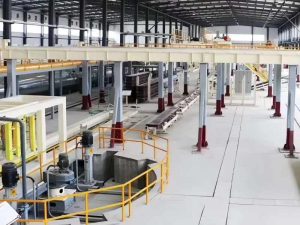
Related Autoclaved Aerated Concrete Plant




Start Your AAC Project with a Clear Plan
AAC is a long-term investment. The right configuration makes the difference between stable returns and operational challenges.
If you’re evaluating a fly ash AAC project, you can share:
- Your raw material situation
- Target capacity
- Budget range
Based on that, we can recommend a suitable plant configuration and provide a clear investment plan tailored to your market.