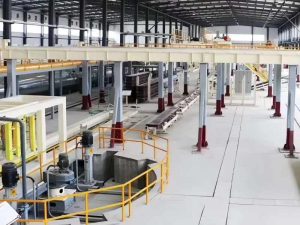
What Is an AAC Blocks Manufacturing Machine?
An AAC blocks manufacturing machine refers to the individual equipment units used within an AAC production line, covering mixing, casting, cutting, and curing processes.
In practice, it can mean anything from a single cutting machine to a full integrated production line.

Are You Looking for a Single Machine or a Full Line?
This is the most important question in the early stage.
| Option | What It Means | Cocok untuk |
|---|---|---|
| Single machine | Individual equipment (e.g., cutter, mixer) | Existing plant upgrade |
| Full line | Complete AAC production system | New factory investment |
We often see new investors underestimate this difference. Buying a single machine without system compatibility usually leads to integration issues later.
Main Types of AAC Machines
1. Peralatan Penanganan Bahan Baku
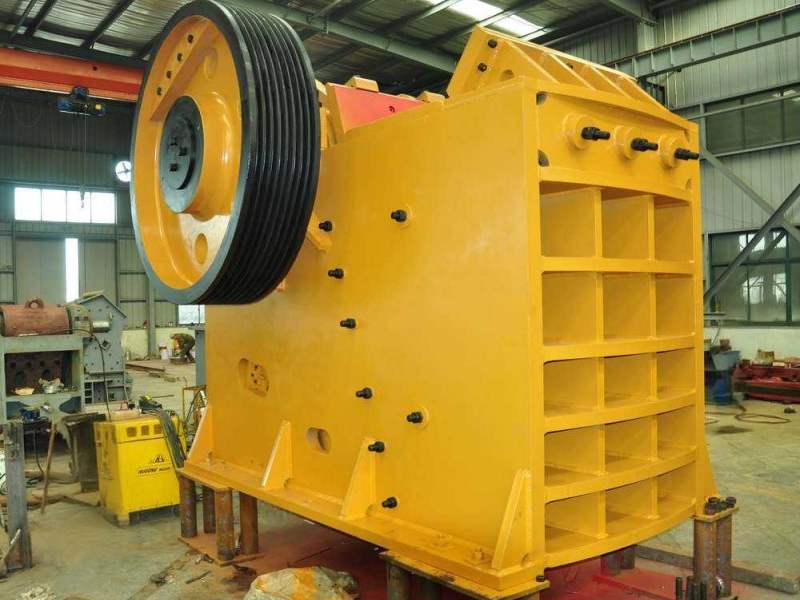
Penghancur: Menghancurkan bahan mentah seperti pasir dan kapur ke ukuran partikel yang ditentukan. Penghancur rahang digunakan untuk material keras, dan penghancur tumbukan digunakan untuk penghancuran halus.
Penyaring: Menggunakan penyaringan getaran untuk menghilangkan kotoran dan memastikan partikel bahan baku memiliki ukuran yang seragam.
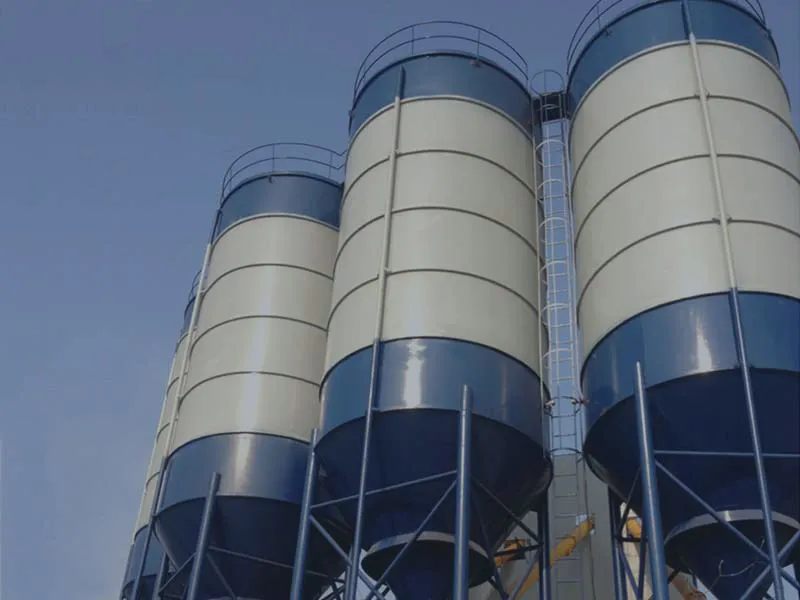
Silo Penyimpanan: Menyimpan bahan baku yang sudah diolah sebelumnya. Memiliki pengukur level dan perangkat penghilang debu untuk menjaga produksi berjalan terus menerus dan memenuhi persyaratan perlindungan lingkungan.
Timbangan Berat: Timbangan sabuk atau spiral secara akurat mengukur jumlah bahan baku untuk meminimalkan kesalahan formulasi.
2. Peralatan Pencampuran dan Pembusaan
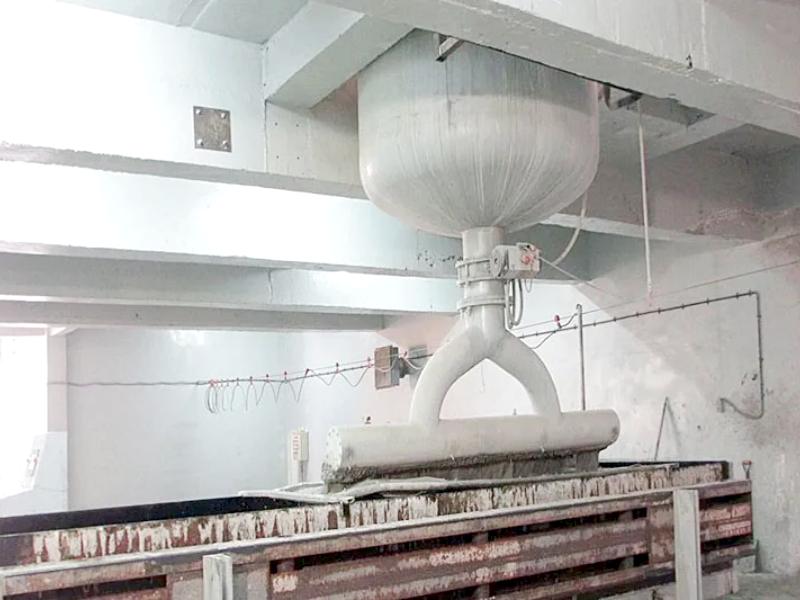

Pengaduk Paksa: Mencampur bahan baku padat dan air dengan kecepatan tinggi untuk membentuk bubur yang seragam, yang menjadi dasar pembusaan.
Tangki Pencampur Bubuk Aluminium: Mencampur suspensi bubuk aluminium dengan kecepatan rendah untuk mencegah sedimentasi dan memastikan dispersi yang seragam.
Sistem Berbusa: Suspensi bubuk aluminium disuntikkan secara proporsional untuk bereaksi dengan bubur untuk menghasilkan gelembung, yang kemudian dihubungkan ke mixer untuk kontrol otomatis.
3. Peralatan Pengecoran dan Pembentukan
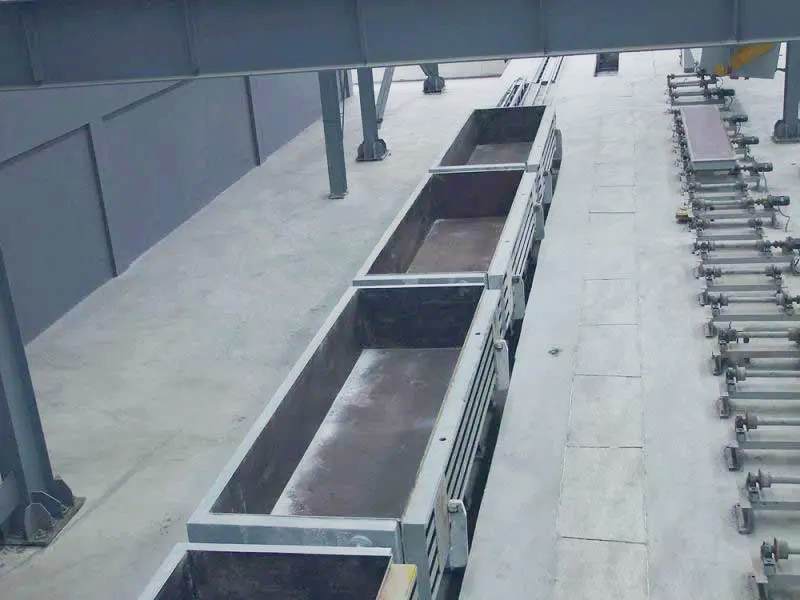
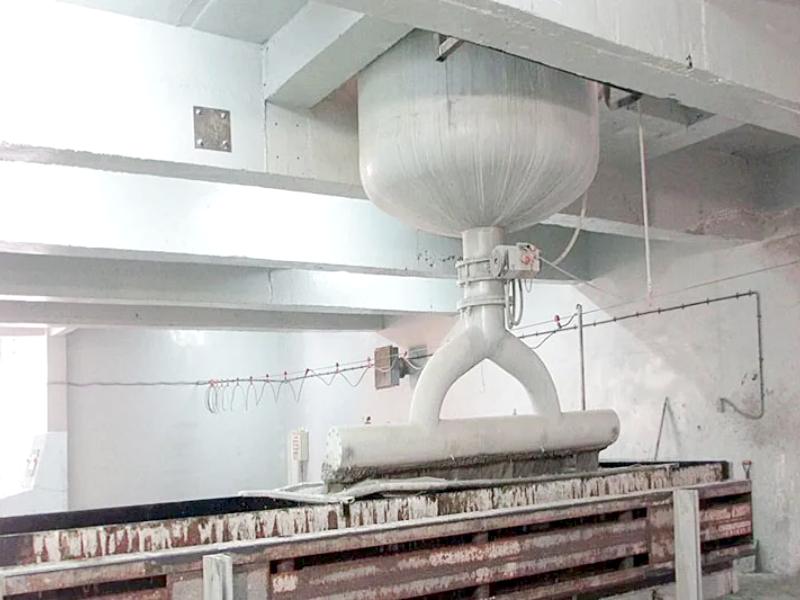
Cetakan: Baja berkekuatan tinggi yang dibuat khusus dengan perlakuan permukaan khusus, dapat disesuaikan ukurannya untuk mengakomodasi spesifikasi produk yang berbeda.
Mesin Pengecoran: Mengontrol volume injeksi bubur secara tepat, dan sebagian dilengkapi dengan travel otomatis untuk mencegah kekurangan atau luapan material.
Ruang Pengawetan: Lingkungan suhu dan kelembapan yang konstan memastikan aerasi bubur dan pengaturan awal, menghasilkan struktur berpori yang seragam.
4. Peralatan Pemotongan
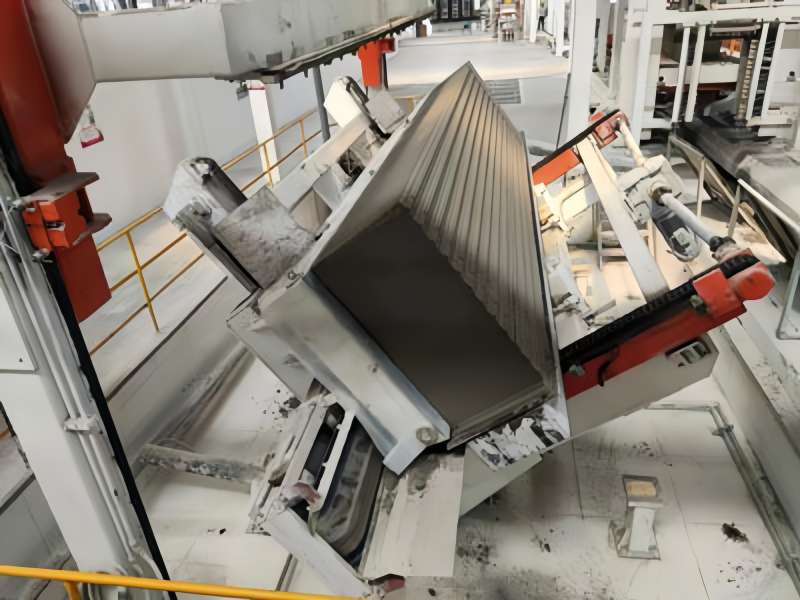
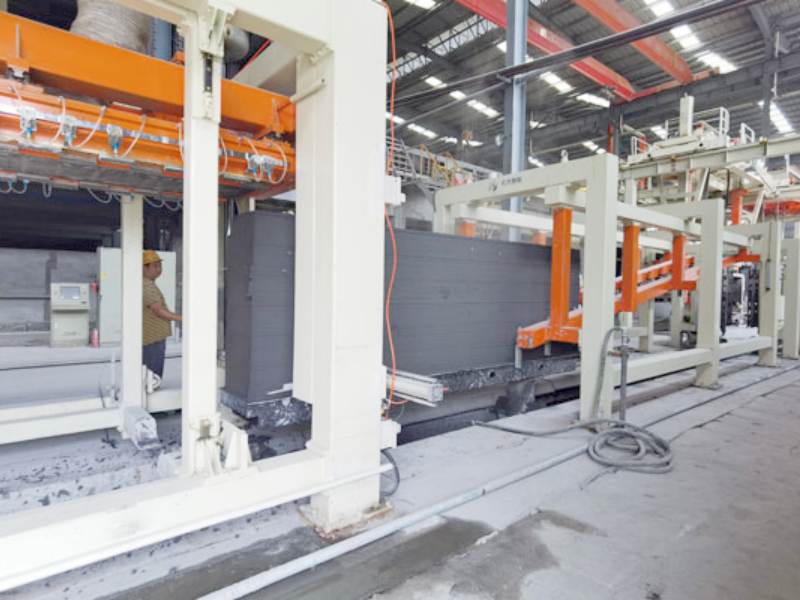
Meja Putar: Digerakkan oleh hidraulik, alat ini memutar cetakan dan blanko dengan mulus-hal ini membuat proses demolding dan pemotongan menjadi lebih mudah.
Gergaji Kawat: Menggunakan beberapa set kabel baja berkekuatan tinggi untuk pemotongan kecepatan tinggi. Sistem CNC memastikan akurasi pemotongan hingga ke milimeter. Untuk peralatan gergaji kawat besar, dapat melakukan pemotongan terus menerus di beberapa stasiun.
5. Peralatan Pengawetan Autoklaf
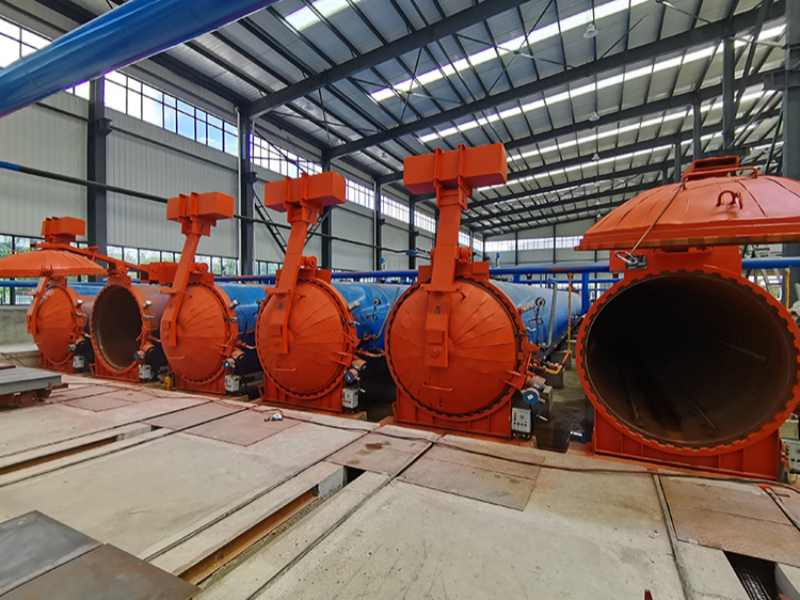

Autoklaf: Bejana bertekanan besar mengawetkan blanko pada suhu 180-200°C dan tekanan 10-12 bar, membentuk kalsium silikat hidrat berkekuatan tinggi. Dilengkapi dengan kunci pengaman.
6. Peralatan Bantu
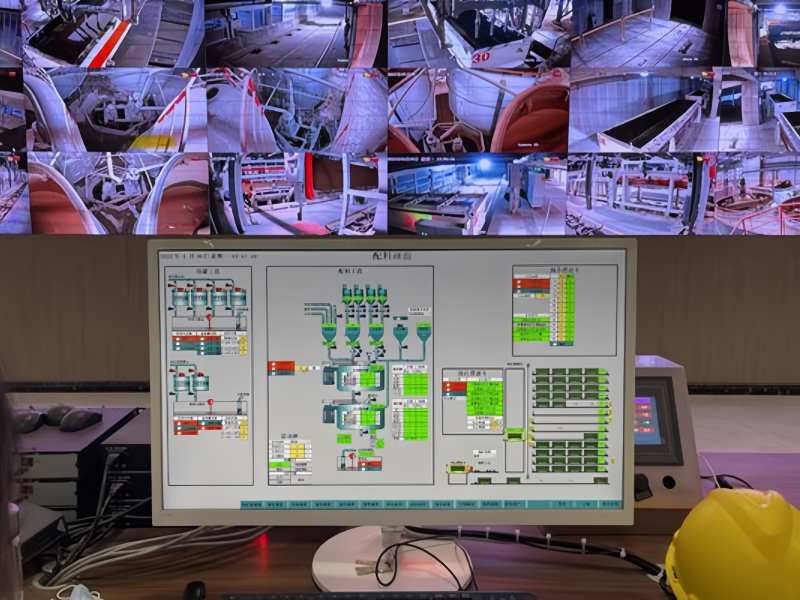

Ketel Uap: Memasok uap yang stabil untuk autoklaf dan ruang pengawetan, dengan berbagai opsi pemanasan yang tersedia.
Kompresor udara: Menyediakan udara bertekanan untuk peralatan pneumatik, memastikan katup, klem, dan perangkat lain berfungsi dengan baik.
Sistem sabuk konveyor: Mengangkut material melalui seluruh proses. Menggunakan konveyor sabuk atau rantai (dipilih berdasarkan kebutuhan material) untuk pergerakan otomatis dan berkelanjutan.
Sistem kontrol: Sistem PLC atau DCS memantau dan menyesuaikan parameter produksi secara real time. Sistem ini merekam data untuk manajemen dan penelusuran, serta membantu menyelesaikan masalah dengan segera.
Capabilities of AAC Blocks Manufacturing Machine
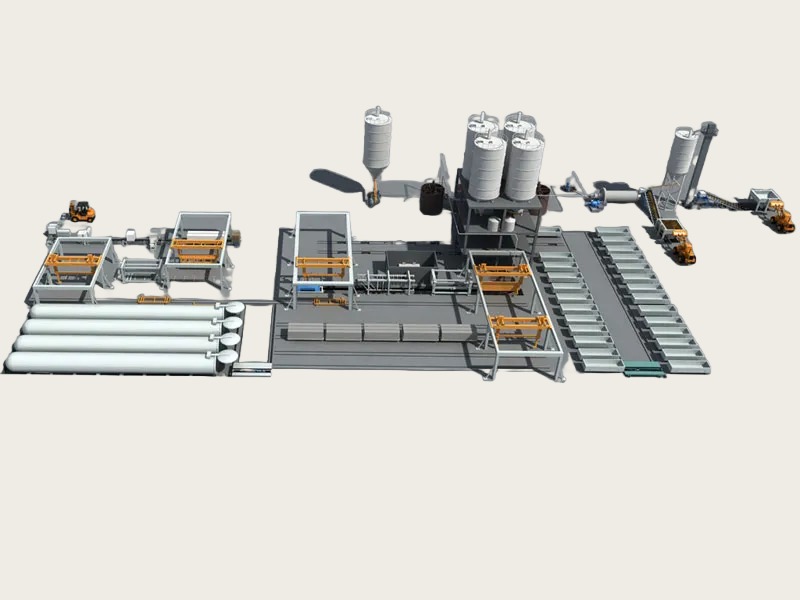
Mini/kecil AAC Production Line
Kapasitas: 30000-100000 m3/tahun
Autoklaf: 1-3 set
Pabrik: sekitar 4000-10000m2
Jenissemi-otomatis/otomatis penuh
Fiturinvestasi awal yang rendah, fleksibilitas tinggi.
Cocok untuk: Perusahaan rintisan atau perusahaan dengan investasi terbatas dan permintaan pasar yang kecil.
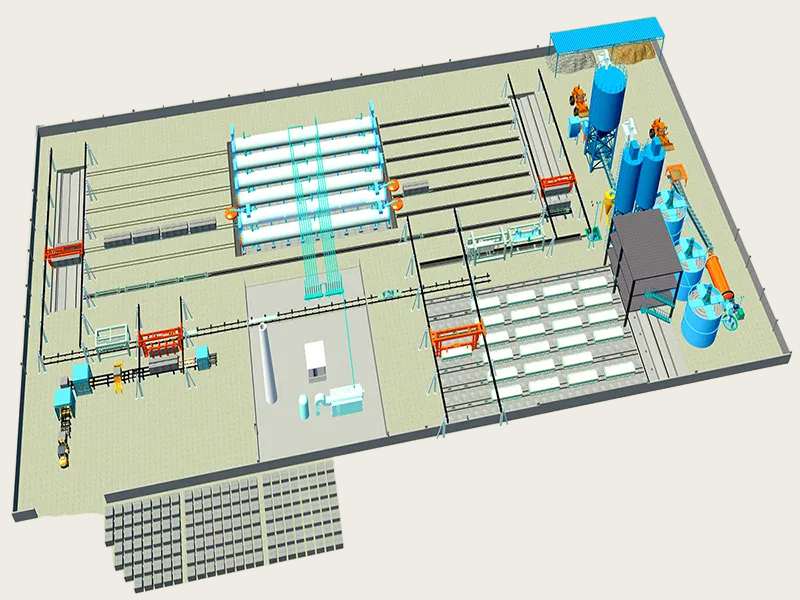
Skala Menengah AAC Production Line
Kapasitas: 100000-200000 m3 / tahun
Autoklaf: 4-8 set
Pabrik: sekitar 10.000-20000m2
Jenis: sepenuhnya otomatis
Fiturkapasitas produksi yang stabil, biaya yang dapat dikontrol, serta fleksibilitas dan produksi skala besar.
Cocok untuk: Perusahaan dengan pangsa pasar tertentu dan permintaan yang stabil.
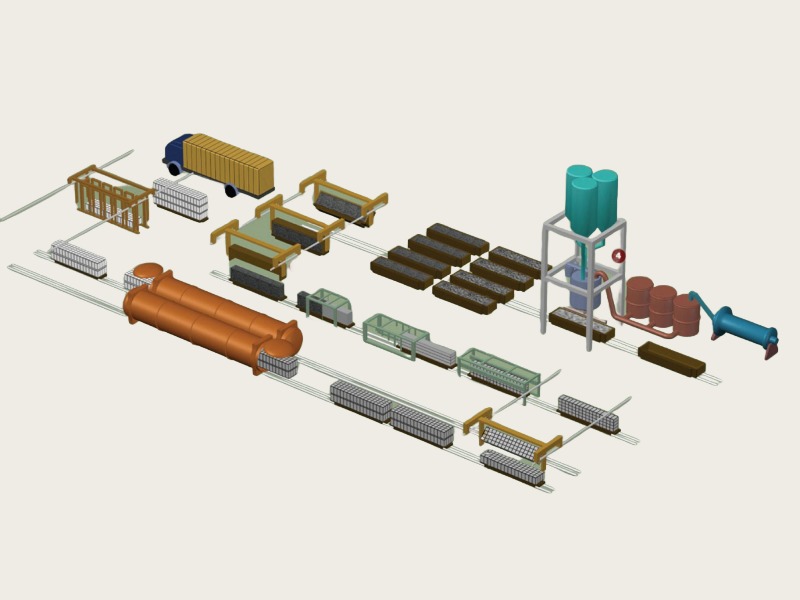
Besar AAC Production Line
Kapasitas: 200000-600000 m3 / tahun
Autoklaf: 8-12 set
PabrikLebih dari 20000m2
Jenis: sepenuhnya otomatis
Fiturefek skala yang signifikan, konsistensi produk yang tinggi.
Cocok untukstandar dan produksi massal, dan dapat dengan cepat merespons permintaan dalam jumlah besar.
Technical Parameters That Actually Matter
When comparing machines, most clients focus on price first.
But in real operation, these parameters matter more:
| Parameter | Mengapa Ini Penting |
|---|---|
| Cutting accuracy | Affects block size consistency |
| Mixing uniformity | Impacts strength and density |
| Autoclave pressure stability | Determines final quality |
| Cycle time | Directly affects capacity |
| Automation level | Impacts labor and stability |
We’ve seen plants with similar investment perform very differently simply because of these parameters.
Manual vs Semi-Auto vs Fully Automatic
This is where investment strategy becomes clear.
| Jenis | Kebutuhan Tenaga Kerja | Stability | Investment Level |
|---|---|---|---|
| Manual | High | Low | Low |
| Semi-otomatis | Sedang | Sedang | Sedang |
| Sepenuhnya otomatis | Low | High | High |
From experience, manual systems only work in very small or experimental setups. For commercial production, semi-auto is the minimum baseline.
Cost vs Output: What Makes Financial Sense?
AAC investment should always be evaluated through output efficiency, not just purchase cost.
Example ROI Comparison
| Setup Type | Investment | Output Harian | Operational Stability |
|---|---|---|---|
| Low-cost system | Lower | Unstable | High risk |
| Optimized system | Higher | Stable | Predictable |
A cheaper system often results in:
- Higher defect rate
- More labor dependency
- Lower long-term profit
In most cases, the “cheapest option” becomes the most expensive over time.
Common Mistakes When Buying AAC Machines
From our project experience, the same mistakes appear repeatedly:
- Buying equipment based only on price
- Ignoring system compatibility
- Underestimating autoclave requirements
- Overlooking cutting precision
- No layout planning before purchase
The biggest issue is not technical—it’s decision sequencing.
Our Real Case
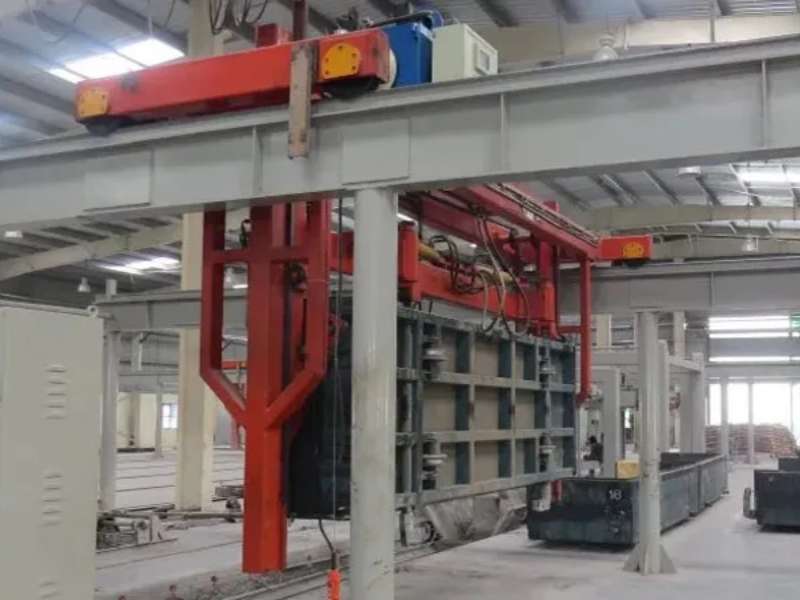
In this project, the client initially purchased partial equipment from different suppliers to reduce upfront cost.
After installation, several issues appeared:
- Cutting system was not aligned with mold design
- Material flow was inconsistent
- Production cycle delays occurred
After technical review, the client restructured the system with a unified configuration.
Result after adjustment:
- Better overall output consistency
- Stable production achieved
- Significant reduction in downtime

This project started with a conservative equipment plan.
However, after reviewing local market conditions:
- Demand growth was faster than expected
- Supply gap was significant
We recommended upgrading to a more integrated production line instead of a basic setup.
Final outcome:
- Faster production ramp-up
- Better market coverage
- Reduced need for early expansion
Talk to Our Engineers Before You Buy
Before purchasing any AAC equipment, the most important step is not comparing prices—it is confirming your system design.
When you contact us, it helps if you provide:
- Target capacity
- Raw material type (fly ash or sand)
- Project location
- Investment range
Based on this, we can help you define:
- Suitable machine configuration
- Production layout
- Investment structure
- ROI expectation
This avoids most of the costly mistakes we see in early-stage projects.
FAQs
Q1: Can I buy only one AAC machine and expand later?
Yes, but only if expansion is planned in the initial layout design.
Q2: What is the most important machine in AAC production?
Cutting system and autoclave system are the most critical for quality stability.
Q3: Is fully automatic always better?
Not always. It depends on labor cost, market size, and investment strategy.
Q4: How long does installation take?
Typically 6–10 months depending on plant size and configuration.
Q5: Do you provide full production line design?
Yes, we design based on raw materials, capacity, and market conditions.