
When an AAC Plant Makes Sense — and When It Doesn’t
We’ve worked in markets where AAC scaled quickly, and others where it struggled.
From experience, AAC projects tend to perform well when:
- Traditional bricks are becoming expensive or restricted
- Labor is unstable or costly
- There is ongoing urban or infrastructure growth
- Lightweight materials are accepted (or being promoted)
On the other hand, we’ve seen projects face pressure when:
- Fly ash supply is inconsistent
- Contractors are not familiar with AAC
- Transport distance reduces margin
In a few cases, we advised clients to wait instead of building immediately. That’s not a lost opportunity—it’s avoiding a bad start.

What We Mean by “AAC Block Plant Machine”
From a manufacturing perspective, there is no single “AAC machine.”
A plant is a continuous production system, built around four key sections:
- Raw material preparation (grinding and slurry system)
- Mixing and casting
- Cutting (this is where dimensional accuracy is controlled)
- Curado en autoclave
Everything else is there to support flow, timing, and stability.
If these sections are not balanced, production will not run smoothly—even if individual machines are good.
What We Actually Supply: AAC Block Plant Machine Configuration
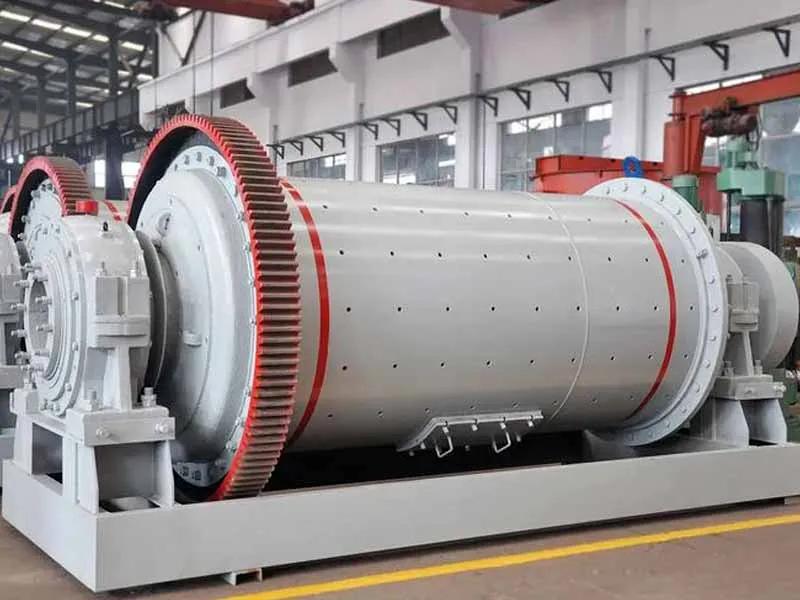
1. Raw Material Preparation System
This section determines the consistency of your production.
Key equipment:
- Ball mill (for grinding fly ash or sand)
- Slurry storage tanks
- Dosing and weighing system
If raw material fineness is unstable, it directly affects block strength and density. That’s why we don’t standardize this section blindly—it is always adjusted based on your raw material.

2. Mixing and Casting System
This is where material chemistry and process timing come together.
Key equipment:
- High-efficiency mixer
- Pouring system
- Mold circulation system
The goal here is not just mixing—but ensuring uniform expansion and predictable reaction.
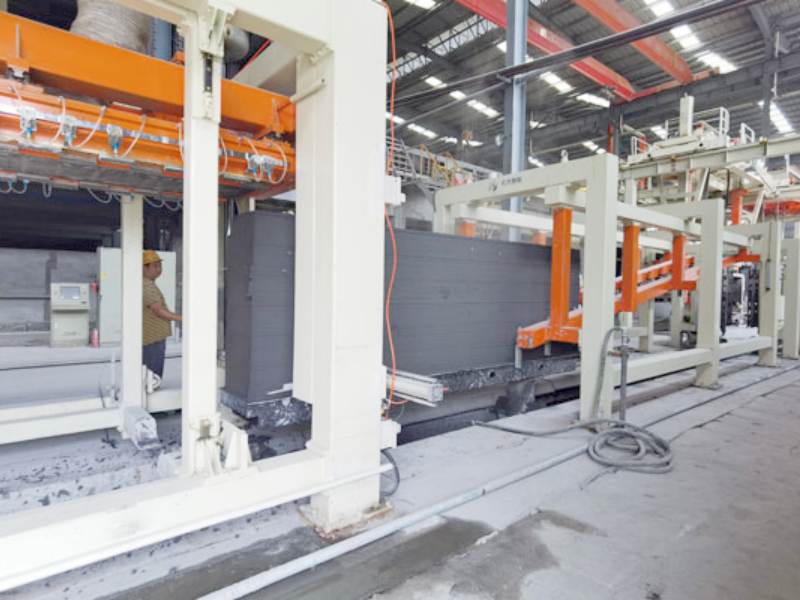
3. Cutting System (Critical for Product Quality)
In most projects, this is the section that defines whether your product is competitive.
Key equipment:
- Vertical cutting machine
- Horizontal cutting machine
- Cutting frame and wire system
Cutting accuracy directly impacts:
- Block size consistency
- Mortar usage on-site
- Customer acceptance
We usually target ±1 mm tolerance, which significantly reduces rejection rates.

4. Autoclave Curing System
This is where the block gains its final strength.
Key equipment:
- Autoclaves
- Steam boiler system
- Steam distribution pipelines
A poorly designed curing system leads to:
- Cracks
- Uneven strength
- Long-term quality issues
We design this part based on cycle efficiency and energy consumption, not just pressure rating.
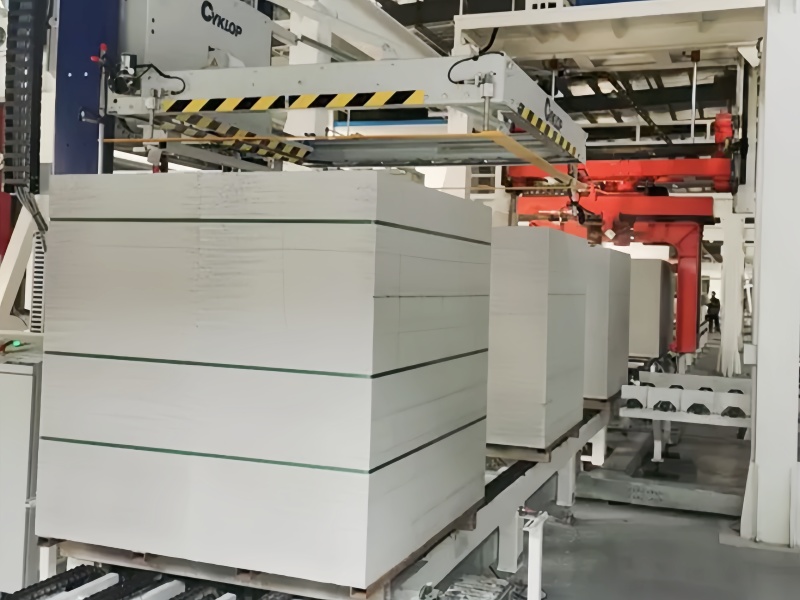
5. Material Handling and Automation System
This is often underestimated, but it determines whether your plant runs smoothly every day.
Includes:
- Overhead cranes
- Conveyors
- Automatic control system (PLC-based)
A well-designed handling system reduces downtime and keeps production continuous.cy and energy consumption, not just pressure rating.
How the Line Actually Runs Day to Day
On-site, the focus is not just on machines—it’s on rhythm.
A stable line runs like this:
- Raw materials are prepared continuously
- Mixing and pouring follow a fixed cycle
- Pre-curing ensures the block reaches cutting strength
- Cutting must align precisely with mold timing
- Autoclave cycles must match upstream output
When a plant struggles, it’s usually because one section is ahead or behind the others.
We spend a lot of time during design making sure this balance is right.
It saves much more time later during commissioning.
Capacity Planning: This Is Where Most Decisions Go Wrong
Capacity is not just a number—it’s a strategy.
We’ve seen two common situations:
- Clients choose a larger capacity expecting fast growth
- Clients start too small and need expansion earlier than expected
Neither is ideal if not planned properly.
Reference Investment Range
| Annual Capacity (m³) | Typical Investment (USD) | Suitable Situation |
|---|---|---|
| 100,000 | $2M – $3.5M | Market testing phase |
| 150,000 | $3.5M – $5M | Demand is forming |
| 200,000 | $5M – $7M | Stable local market |
| 300,000+ | $7M – $10M+ | Strong demand / export |
What matters is how quickly your market can absorb production—not just how much you can produce.
Automation vs Labor
Automation is often discussed in terms of labor cost, but in practice, it’s more about consistency.
| Level | Workers Needed | Production Stability | Notes |
|---|---|---|---|
| Semiautomático | 60–80 | Moderate | Depends heavily on operators |
| Mid-level | 40–60 | Stable | Balanced solution |
| Totalmente automático | 20–30 | High | More predictable output |
In several projects, labor instability—not cost—was the main reason clients upgraded their automation level.
Investment and Payback: A Practical View
Most clients want a clear idea of return before moving forward. That’s reasonable.
Here is a typical reference based on actual projects:
Example: 150,000 m³ Plant
| Artículo | Value |
|---|---|
| Inversión total | ~$4.5M |
| Producción anual | 150,000 m³ |
| Net Profit per m³ | $8 – $12 |
| Beneficio anual | ~$1.2M – $1.8M |
| Periodo de amortización | 2 – 3 years |
These numbers vary depending on:
- Raw material cost
- Local selling price
- Production stability
We’ve seen similar plants perform very differently depending on how well these factors are managed.
Turnkey vs Separate Equipment Procurement
This is a decision that affects your timeline more than your budget.
Separate sourcing:
- Lower initial cost
- Requires strong coordination
- Higher risk during installation
Turnkey solution:
- Higher upfront cost
- Faster commissioning
- More predictable results
For clients without prior AAC experience, integration is usually the biggest challenge—not the equipment itself.
Real Project Cases
The following two projects are quite different in scale, but they show how capacity, market positioning, and technical choices affect the outcome.

India — Starting Small, But Designed for Stable Returns
The client was a real estate developer entering AAC production for the first time. Their priority was clear: limit investment risk and achieve fast payback.
Project Overview
- Location: Gujarat, India
- Capacity: 80,000 m³/year
- Investment: ~$690,000
- Raw Material: Fly ash
Instead of pushing for a larger plant, we recommended a moderate-capacity automatic line:
- Easier to manage
- Lower financial pressure
- Suitable for gradually growing demand
Resultado
- Stable production shortly after commissioning
- Daily output around 250 m³
- Strong early cash flow
This approach works well when the market is still developing and demand needs to be tested.
Saudi Arabia — Large-Scale Plant for Immediate Market Demand
The market already had strong demand, but limited AAC supply. The client’s challenge was not risk—but how to capture the opportunity quickly.
Project Overview
- Location: Saudi Arabia
- Capacity: 300,000 m³/year
- Type: Full turnkey AAC plant
Our Approach
We recommended going directly with a large-capacity plant:
- Meet existing demand immediately
- Avoid future expansion delays
- Ensure stable large-volume supply
Resultado
- Daily output exceeding 900 m³
- High production stability
- Strong demand from large construction projects
In this case, scale provided a clear competitive advantage.
Common Issues We See in Early-Stage Projects
Most problems don’t come from equipment—they come from early decisions.
Typical examples:
- Choosing capacity based only on budget
- Not verifying raw material supply
- Comparing quotes without checking scope
- Ignoring layout efficiency
These issues are avoidable if addressed early.
Frequently Asked Questions
How long does it take to complete an AAC plant?
Typically between 6 to 10 months, depending on capacity and local conditions.
What raw materials are required?
Fly ash or sand, cement, lime, gypsum, and aluminum powder.
Is AAC suitable for every market?
No. Market acceptance and logistics need to be evaluated carefully.
Do you provide installation support?
Yes. On-site commissioning is critical to reaching stable production.
Can the plant be expanded later?
Yes, if expansion is considered during the initial design stage.
Planta de hormigón celular autoclavado relacionada


Request a Project Evaluation for Your AAC Plant
If you are at the planning stage, it helps to start with a clear framework rather than a price inquiry.
When you contact us, it’s useful to include:
- Project location
- Planned capacity (or expected demand)
- Raw material type (fly ash or sand)
- Budget range
Based on this, we usually provide:
- Initial layout proposal
- Equipment configuration
- Budget estimate
- Timeline reference
This gives you a much clearer direction before moving into detailed discussions.