
Setup Cost, Industry Outlook & Profit Potential Guide
Saudi Arabia is undergoing an urban transformation backed by massive infrastructure and economic diversification plans. With initiatives like Vision 2030, the Kingdom is investing heavily in housing, tourism, commercial real estate, and industrial megaprojects.
This rapid construction expansion is driving demand for modern, efficient, and sustainable building materials such as Autoclaved Aerated Concrete (AAC) blocks. For investors and construction material manufacturers, establishing an AAC block manufacturing plant in Saudi Arabia offers significant opportunities for long‑term growth and profitability.
In this guide, we cover:
- Saudi Arabia AAC block market outlook
- Investment cost structure
- Plant setup and production cost analysis
- Profit and return expectations
- Equipment requirements and plant planning
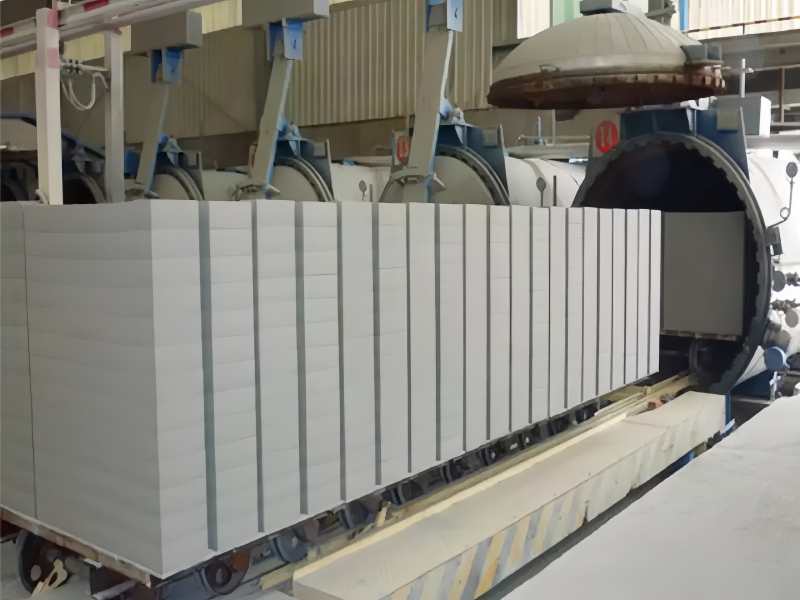
Saudi Arabia Construction Market Overview
1. National Economic Vision Driving Construction
Saudi Arabia’s construction sector is central to its long‑term economic plans:
- Large‑scale infrastructure projects
- Residential and urban development
- Tourism and entertainment hubs
- Industrial and logistics zones
Vision 2030 and related economic plans are expected to expand construction spending and attract foreign investment in building materials sectors.
2. Growing Demand for Modern Building Materials
Traditional building materials like concrete blocks and clay bricks are still widely used in Saudi Arabia, but developers are turning to higher performance alternatives due to:
- Thermal insulation needs (hot climate)
- Energy efficiency requirements
- Faster construction timelines
- Sustainable building certifications
AAC blocks provide advantages such as:
- Lightweight design → reduces structural load
- Excellent thermal insulation → energy savings
- Quick installation → reduces labor cost
- Fire resistance and durability
These benefits are especially attractive in:
- Residential compounds
- Commercial buildings
- Hotels and resorts
- Impianti industriali
Raw Materials and Supply Conditions
Saudi Arabia is well‑positioned for AAC production due to its raw material availability:
| Raw Material | Local Availability |
|---|---|
| Sabbia | Abundant (desert sources) |
| Cement | Strong domestic production |
| Calce | Local limestone reserves |
| Fly Ash | Imported or power plant sources |
| Gesso | Regional suppliers |
Importing fly ash or blending with cement is common in the GCC region, with logistics optimized through major seaports.
Recommended AAC Block Plant Capacities for Saudi Arabia
| Plant Capacity | Produzione giornaliera | Best Fit |
|---|---|---|
| 50,000 m³/year | 170 m³/day | Small enterprises |
| 100.000 m³/anno | 330 m³/day | Mid‑level investors |
| 150,000 m³/year | 500 m³/day | Commercial suppliers |
| 200,000 m³/year | 660 m³/day | Large industrial investors |
Given Saudi Arabia’s market scale and import substitution opportunities, 100,000–200,000 m³/year plants are well suited for local and regional supply.
Investment Cost Structure in Saudi Arabia
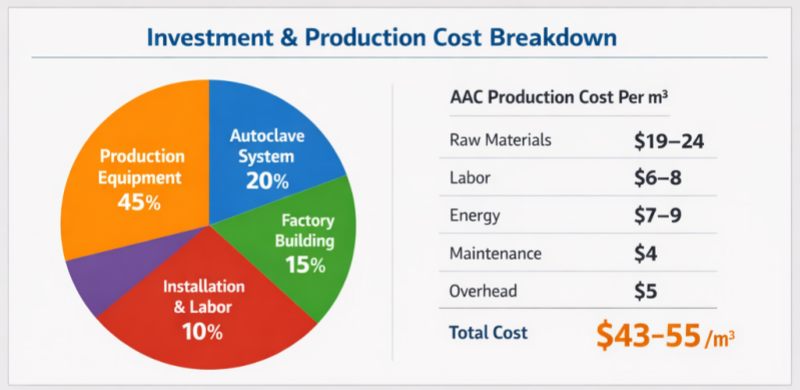
1. Capital Cost Breakdown
| Cost Category | Proportion |
|---|---|
| Production Equipment | 45% |
| Autoclave System | 20% |
| Factory Building | 15% |
| Installation & Commissioning | 10% |
| Utilities & Infrastructure | 10% |
2. Example Investment Estimate (100,000 m³ Plant)
| Articolo | Estimated Cost |
|---|---|
| AAC Production Line | $700,000 |
| Autoclave Unit | $380,000 |
| Boiler & Steam System | $140,000 |
| Electrical & Control System | $90,000 |
| Installazione e formazione | $170,000 |
| Investimento totale | $1.48M |
Saudi Arabia’s higher labor and construction cost are reflected in the estimate but are offset by strong selling margins.
AAC Block Production Cost per m³
| Voce di costo | Estimated Cost |
|---|---|
| Sand & Mix Materials | $7–9 |
| Cement & Lime | $12–15 |
| Aluminum Powder | $2 |
| Labor | $6–8 |
| Energy (Electricity/Steam) | $7–9 |
| Manutenzione | $4 |
| Overhead | $5 |
| Total Production Cost | $43–55/m³ |
Average Selling Price
AAC block selling prices in Saudi Arabia typically range from:
$65 – $95 per m³ depending on specification and region.
AAC Blocks vs Traditional Materials
| Feature | Blocco AAC | Concrete/Brick |
|---|---|---|
| Peso | Leggero | Heavy |
| Isolamento termico | High | Medium/Low |
| Construction Speed | Faster | Slower |
| Requisiti di manodopera | Lower | Higher |
| Cost Efficiency | High | Medio |
| Sustainability | Better | Poor |
Despite a higher unit price, AAC blocks can reduce total construction cost due to faster installation and improved performance.
Plant Equipment List & Configuration
Key equipment for a complete AAC production plant includes:
- Sand processing / ball mill system
- Raw material batching system
- Mixing and pouring machines
- Cutting machines
- Autoclave steam curing system
- Boiler and steam plant
- PLC & Automation control systems
Optional equipment includes:
- Packing and stacking systems
- Material handling conveyors
AAC Block Specifications & Sizes
| Block Size | Typical Use |
|---|---|
| 600 × 200 × 75 mm | Interior non‑load walls |
| 600 × 200 × 100–150 mm | Partition & wall blocks |
| 600 × 200 × 200–250 mm | Structural walls |
Density Grades
| Density | Applicazione |
|---|---|
| 400 kg/m³ | Insulation blocks |
| 500 kg/m³ | Standard walls |
| 600 kg/m³ | Load‑bearing walls |
Setup Timeline for AAC Block Plant in Saudi Arabia
| Phase | Duration |
|---|---|
| Feasibility Analysis | 2–4 weeks |
| Plant Design | 4–6 weeks |
| Equipment Manufacturing | 8–12 weeks |
| Spedizione e dogana | 3–5 weeks |
| Installation & Testing | 6–8 weeks |
| Trial Production | 2 weeks |
👉 Typical total setup time: 6–10 months
Market Demand & Growth Forecast
Saudi Arabia’s AAC block demand is expected to grow due to:
- Housing developments
- Urbanizzazione
- Expo & tourism projects
- Industrial zones
| Year | Estimated Demand |
|---|---|
| 2024 | 2.5M m³ |
| 2025 | 3.1M m³ |
| 2026 | 3.8M m³ |
| 2027 | 4.6M m³ |
| 2030 | 6.2M m³ |
Growth reflects increased preferences for sustainable and modern construction systems.
Profitability Analysis & Return Expectations
Example: 100,000 m³/year Plant
| Metrico | Value |
|---|---|
| Produzione annuale | 100,000 m³ |
| Average Selling Price | $80/m³ |
| Annual Revenue | $8.0M |
| Annual Production Cost | $4.6M |
| Estimated Profit | $3.4M |
Profit Margin: 40% – 45%
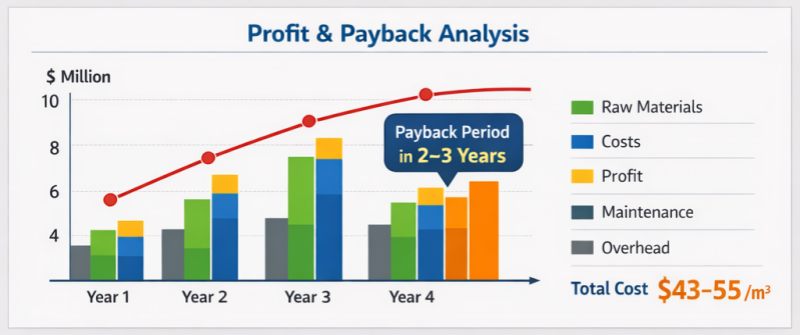
Periodo di ritorno dell'investimento: 2–3 years
High margins are driven by strong selling prices and demand stability.
Proven AAC Block Plant Projects in Saudi Arabia
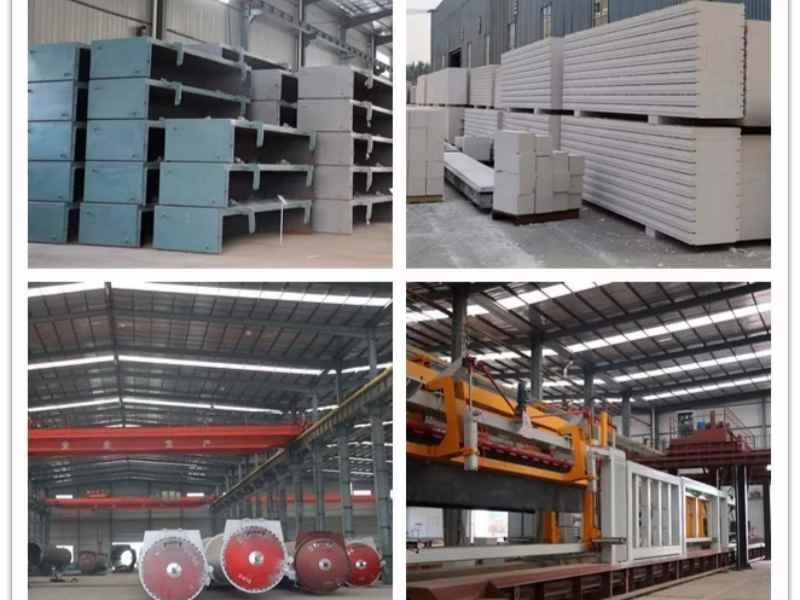
20,000 m³ AAC Block Plant in Saudi Arabia
A 20,000 m³/year AAC plant was successfully delivered to a Saudi building materials company, including full equipment supply, installation, and training. The compact plant achieved stable production quickly and provides consistent, high-quality AAC blocks for local construction projects.

300,000 m³ AAC Plant in Saudi Arabia
A large-scale 300,000 m³/year AAC plant was installed in Saudi Arabia, offering a complete turnkey solution with advanced automation. The plant supports high-volume production and supplies major construction projects across key regions such as Riyadh, Jeddah, and Dammam.
Best Locations for AAC Plants in Saudi Arabia
Strategic Regions
- Riyadh – Major urban and housing demand
- Jeddah – Commercial and industrial hub
- Dammam & Eastern Province – Logistics and port access
- Mecca & Medina – Tourism‑driven construction surge
These regions offer proximity to raw materials, infrastructure, and markets.
Turnkey AAC Block Plant Solution
A professional AAC supplier can provide:
- Feasibility study
- Plant design
- Equipment manufacturing
- Installation & commissioning
- SOP training & technical support
Customized solutions ensure compatibility with Saudi Arabia’s market and regulations.

Start Your AAC Block Plant Investment in Saudi Arabia
Saudi Arabia’s commanding position in regional construction and Vision 2030 initiatives make AAC block manufacturing a highly attractive investment.
Investing in an AAC block plant in Saudi Arabia offers:
- Rising market demand
- Competitive profit margins
- Strong project pipelines
👉 Contact us for:
- Free feasibility analysis
- Customized plant design
- Detailed cost estimate
- Complete turnkey service
AAC Block Plant Investment in Saudi Arabia
- Q: What is an AAC block?
A: AAC blocks are lightweight, thermal-insulating, and fire-resistant concrete building materials suitable for residential, commercial, and industrial construction. - Q: What are the advantages of investing in an AAC plant in Saudi Arabia?
A: High market demand, fast construction growth, energy-efficient materials, strong profit potential, and short payback period. - Q: How long does it take to set up a 100,000 m³/year AAC plant?
A: Typically 6–10 months, including planning, equipment fabrication, shipping, installation, and trial production. - Q: What is the production cost of AAC blocks in Saudi Arabia?
A: Approximately $43–55/m³, depending on raw materials and energy costs. - Q: What is the typical selling price for AAC blocks?
A: Around $65–95/m³ depending on specifications and location. - Q: How does AAC compare to traditional bricks?
A: Lighter, faster installation, better insulation, fire-resistant, lower labor cost, and overall project cost savings. - Q: What is the initial investment for a 100,000 m³/year plant?
A: Around $1.48M, including equipment, autoclave, boiler, automation system, and installation. - Q: What is the expected ROI?
A: 40–45% annual profit margin, with a payback period of 2–3 years. - Q: How is AAC block demand projected in Saudi Arabia?
A: Estimated to grow from 2.5M m³ in 2024 to 6.2M m³ by 2030. - Q: What are the recommended plant locations?
A: Riyadh, Jeddah, Dammam, Mecca, and Medina for proximity to raw materials and demand centers. - Q: What are the core equipment needs?
A: Sand processing, batching system, mixing/pouring machines, cutting machines, autoclave, boiler, and automation control. - Q: Is raw material supply sufficient?
A: Yes, Saudi Arabia has abundant sand, limestone, and cement; fly ash can be imported or blended. - Q: How should the plant layout be designed?
A: Raw material storage → batching → pouring → pre-curing → cutting → autoclave → finished block storage. - Q: What types of construction can AAC blocks be used for?
A: Residential, commercial, hotels, industrial facilities, partition walls, load-bearing walls, and insulation walls. - Q: Is turnkey service available?
A: Yes, including market analysis, plant design, equipment manufacturing, shipping, installation, trial production, and training.