
Overview of AAC Production Process
AAC production is a continuous process combining chemical reaction, mechanical handling, and high-pressure curing.
At system level, it always follows this chain:
Raw material preparation → Mixing → Casting → Pre-curing → Cutting → Autoclaving → Finished blocks
What matters is not only each step—but the transition between steps.
If one stage slows down, the entire line will accumulate bottlenecks.

Is Your Raw Material Suitable for AAC Production?
Before selecting machinery, raw material condition is always the first checkpoint.
In most projects, we evaluate three key factors:
- Fly ash or sand availability
- Fineness and chemical stability
- Consistency of supply
| Tipo di materia prima | Processing Requirement | System Impact |
|---|---|---|
| Cenere volante | Lower grinding load | Stable reaction |
| Sabbia | Requires ball milling | Higher energy consumption |
| Mixed materials | Custom adjustment needed | System tuning required |
We have seen projects fail not because of machinery, but because raw material variation was ignored during planning.
Step-by-Step Production Machinery
Here is how a standard AAC production line operates in practice:
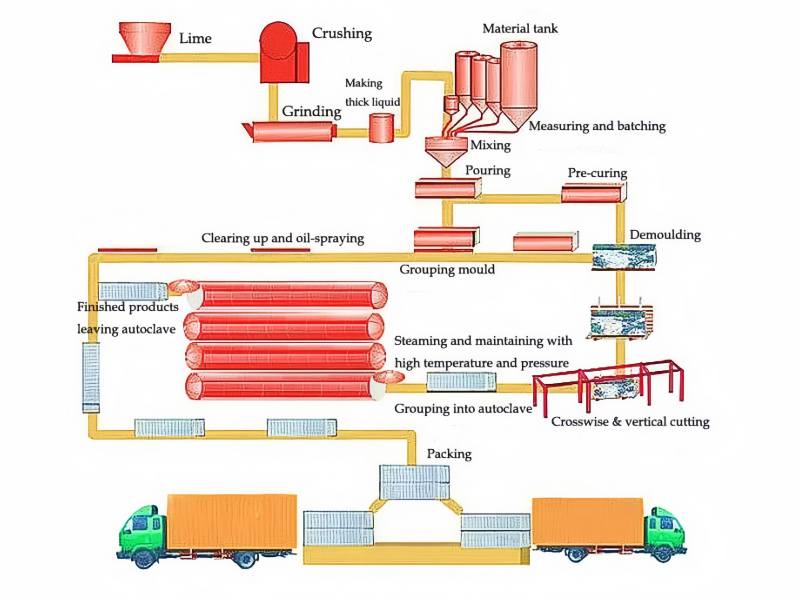
1. Preparazione delle materie prime
Grinding and slurry formation define the stability of the entire process.
2. Mixing System
Cement, lime, slurry, and aluminum powder are mixed under controlled timing.
3. Casting
The mixture is poured into molds where initial expansion begins.
4. Pre-curing
Blocks reach a semi-solid state suitable for cutting.
5. Cutting System
This stage determines dimensional accuracy.
6. Polimerizzazione in autoclave
High-pressure steam reaction finalizes strength and structure. Each step has a fixed timing window. If one step is delayed, downstream processes are directly affected.
Process Flow Diagram Explanation
In real plant design, we always emphasize one principle:
The plant is not a sequence of machines—it is a synchronized flow system.
A typical production flow looks like this:
Raw materials → Slurry system → Mixing → Mold casting → Pre-curing chamber → Cutting system → Autoclaves → Finished storage
The most sensitive points in this flow are:
- Transition from casting to pre-curing
- Transition from pre-curing to cutting
- Autoclave cycle synchronization
If these three points are balanced, the plant runs smoothly. If not, bottlenecks appear immediately.
Main Types in AAC Block Production Machinery Process
1. Attrezzature per la movimentazione delle materie prime
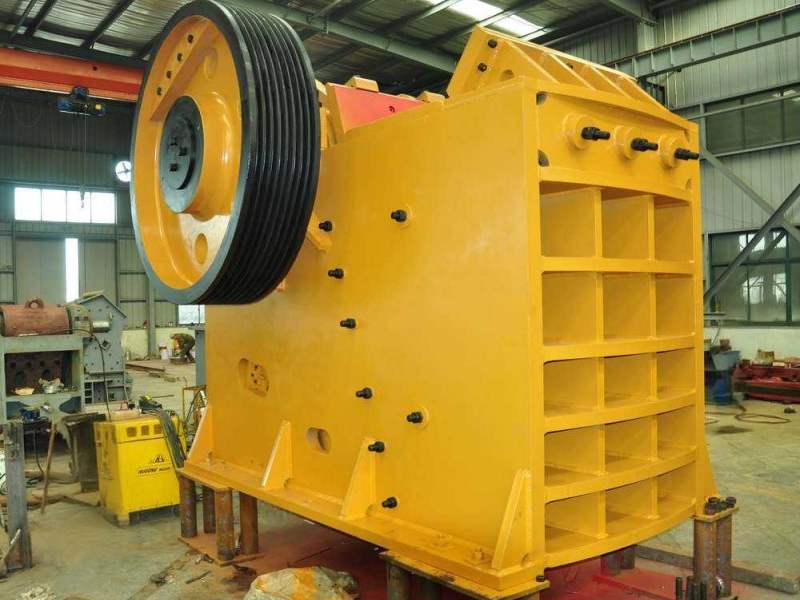
Frantoio: Frantumano le materie prime, come sabbia e calce, fino a raggiungere la dimensione delle particelle specificata. I frantoi a mascelle sono utilizzati per i materiali duri, mentre i frantoi a urto sono utilizzati per la frantumazione fine.
Screener: Utilizza una vagliatura a vibrazione per rimuovere le impurità e assicurarsi che le particelle della materia prima siano di dimensioni uniformi.
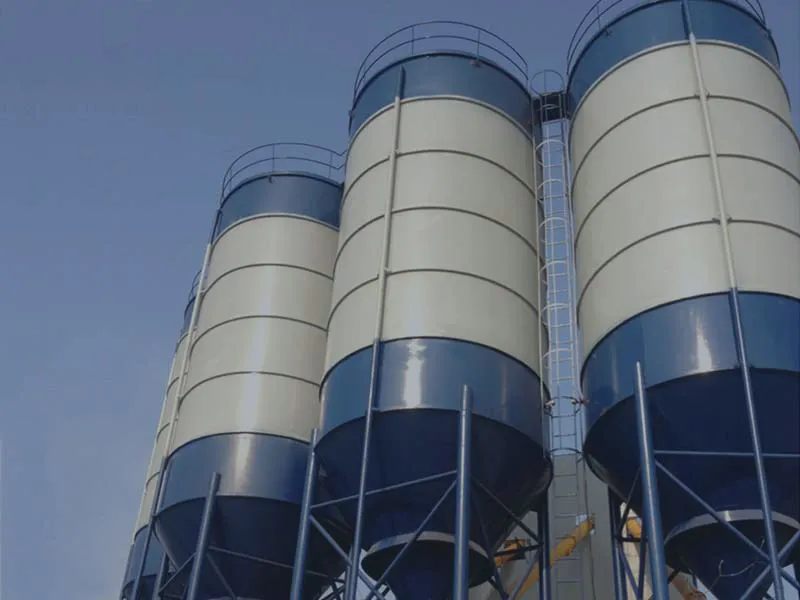
Silo di stoccaggio: Immagazzina le materie prime pretrattate. È dotato di un misuratore di livello e di un dispositivo di rimozione delle polveri per mantenere la produzione ininterrotta e soddisfare i requisiti di protezione ambientale.
Scala di pesatura: Le bilance a nastro o a spirale misurano accuratamente le quantità di materie prime per ridurre al minimo gli errori di formulazione.
2. Apparecchiature di miscelazione e schiumatura
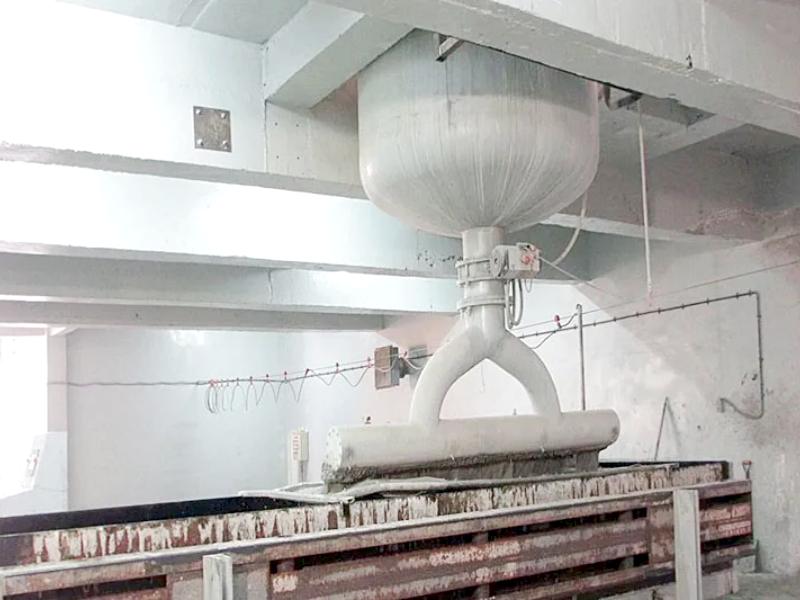

Miscelatore forzato: Miscela materie prime solide e acqua ad alta velocità per formare un impasto uniforme, ponendo le basi per la formazione della schiuma.
Serbatoio di miscelazione della polvere di alluminio: Mescola la sospensione di polvere di alluminio a bassa velocità per evitare la sedimentazione e garantire una dispersione uniforme.
Sistema di schiumatura: La sospensione di polvere di alluminio viene iniettata in proporzione per reagire con l'impasto e generare bolle, che vengono poi collegate al miscelatore per il controllo automatico.
3. Attrezzature per la fusione e la formatura
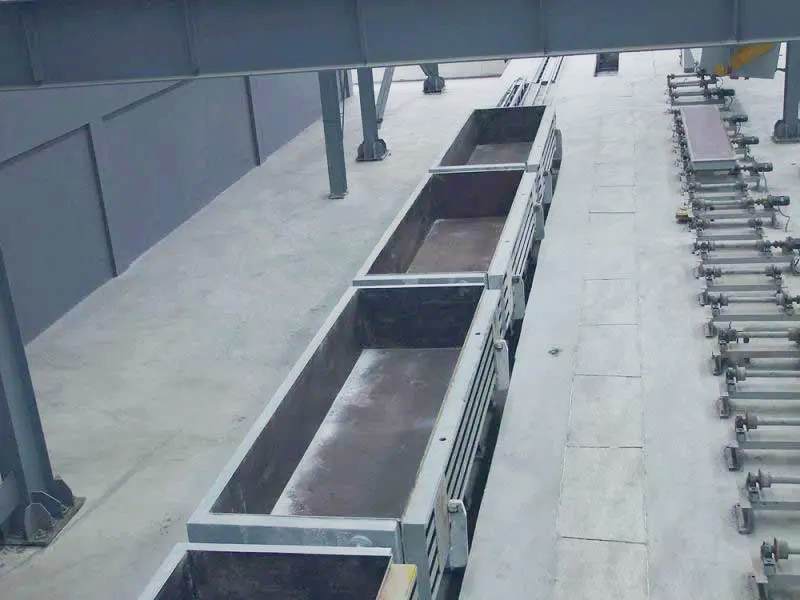
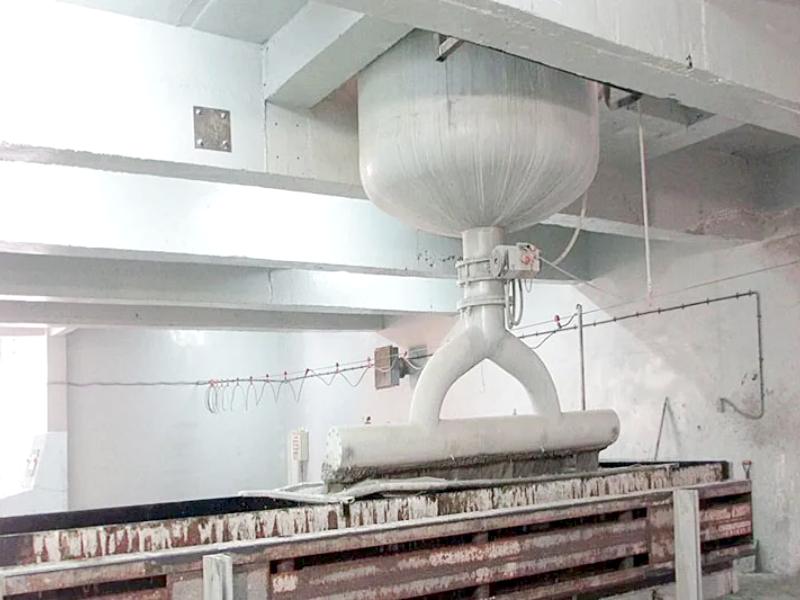
Stampi: Acciaio ad alta resistenza realizzato su misura con uno speciale trattamento superficiale, regolabile nelle dimensioni per adattarsi alle diverse specifiche del prodotto.
Macchine per la fusione: Controllano con precisione il volume di iniezione del liquame e alcuni sono dotati di corsa automatica per evitare la mancanza di materiale o il traboccamento.
Camera di polimerizzazione: Un ambiente a temperatura e umidità costanti garantisce l'aerazione e l'indurimento iniziale dell'impasto, con il risultato di una struttura porosa uniforme.
4. Apparecchiature di taglio
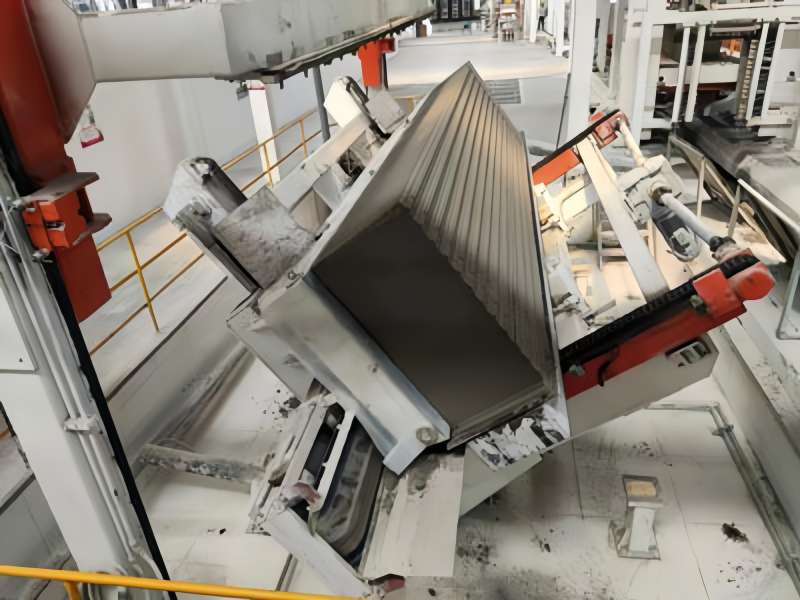
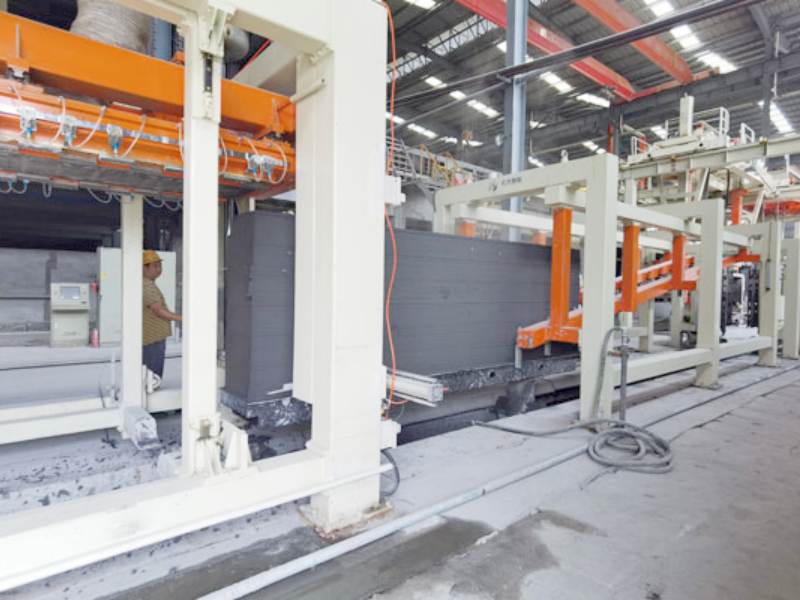
Tavolo rotante: Azionato da un sistema idraulico, ruota agevolmente stampi e fustelle, facilitando le operazioni di sformatura e taglio.
Sega a filo: Utilizza serie multiple di fili d'acciaio ad alta resistenza per il taglio ad alta velocità. Un sistema CNC garantisce una precisione di taglio al millimetro. Per le seghe a filo di grandi dimensioni, può eseguire il taglio continuo in più stazioni.
5. Apparecchiature per la polimerizzazione in autoclave
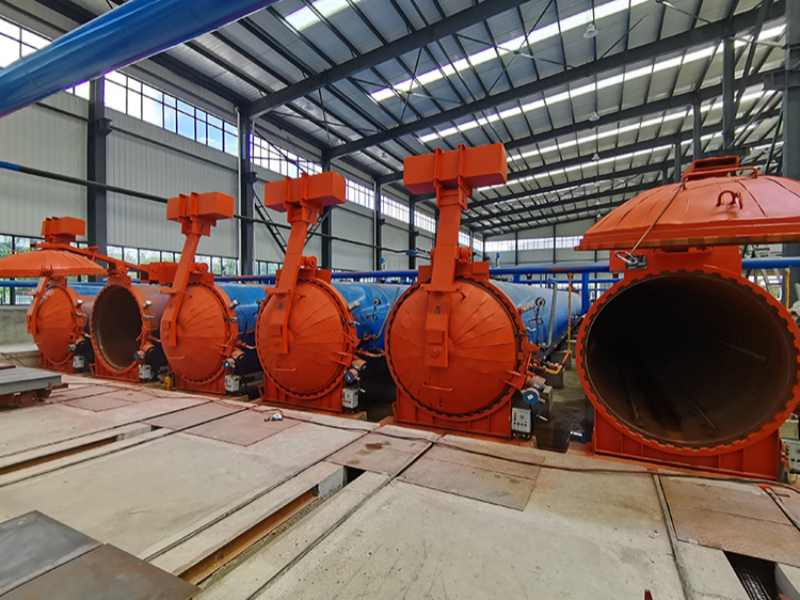

Autoclavi: Grandi recipienti a pressione che polimerizzano i pezzi grezzi a temperature di 180-200°C e pressioni di 10-12 bar, formando idrati di silicato di calcio ad alta resistenza. Dotate di interblocchi di sicurezza.
6. Apparecchiature ausiliarie

Caldaie a vapore: Fornitura di vapore stabile per autoclavi e camere di polimerizzazione, con varie opzioni di riscaldamento disponibili.
Compressore d'aria: Fornisce aria compressa alle apparecchiature pneumatiche, assicurando il corretto funzionamento di valvole, morsetti e altri dispositivi.
Sistema a nastro trasportatore: Trasporta i materiali attraverso l'intero processo. Utilizza trasportatori a nastro o a catena (scelti in base alle esigenze del materiale) per un movimento continuo e automatizzato.
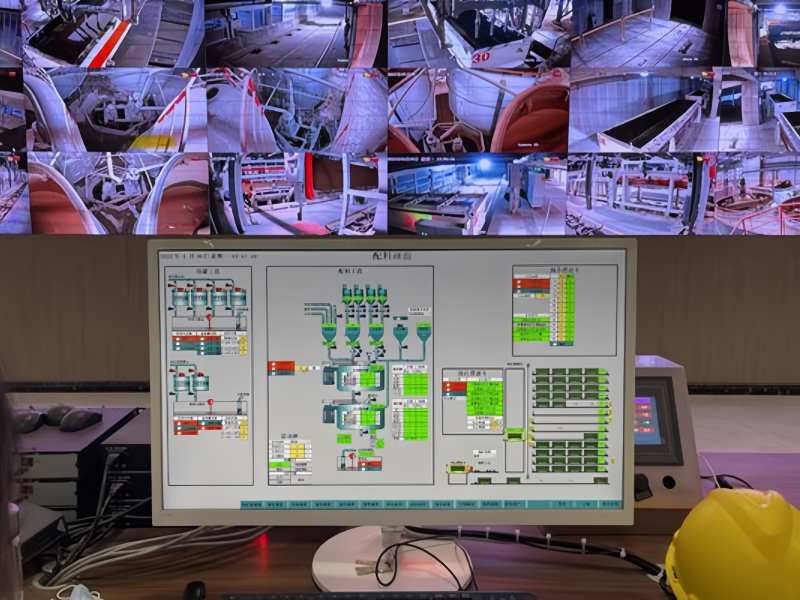
Sistema di controllo: I sistemi PLC o DCS monitorano e regolano i parametri di produzione in tempo reale. Registrano i dati per la gestione e la tracciabilità e aiutano a risolvere tempestivamente i problemi.
Automation Impact on Production Stability
Automation is not only about reducing labor—it is about stabilizing output quality.
| Livello di automazione | Output Stability | Operator Dependency | Risk Level |
|---|---|---|---|
| Manual | Low | High | High |
| Semi-auto | Medio | Medio | Medio |
| Completamente automatico | High | Low | Low |
In AAC production, instability usually comes from human variation, not equipment failure. That is why most modern plants move toward higher automation levels.
Production Cost & Efficiency Optimization
Cost in AAC production is not fixed—it depends heavily on process efficiency.
Typical cost structure:
| Cost Factor | Impact Level |
|---|---|
| Raw material | High |
| Steam energy | High |
| Labor | Medio |
| Manutenzione | Medio |
| Waste rate | Very High |
The biggest hidden cost is waste rate from cutting and curing imbalance.
ROI reference (typical 150,000 m³ plant)
| Articolo | Value |
|---|---|
| Investment | ~$4–5M |
| Produzione annuale | 150,000 m³ |
| Net Profit per m³ | $8–12 |
| Periodo di ritorno dell'investimento | 2–3 years |
Efficiency improvement of even 3–5% can significantly change annual profit.
Common Production Problems & Solutions
From real project experience, most operational issues fall into four categories:
- Block cracking after autoclave
- Inconsistent density
- Cutting deviation
- Uneven curing strength
| Problem | Root Cause | Solution |
|---|---|---|
| Cracking | Steam imbalance | Adjust autoclave cycle |
| Density variation | Mixing inconsistency | Improve dosing system |
| Size deviation | Cutting misalignment | Upgrade wire system |
| Weak strength | Raw material fluctuation | Stabilize slurry system |
Most problems are not “equipment failure”—they are system imbalance issues.
Our Case Study
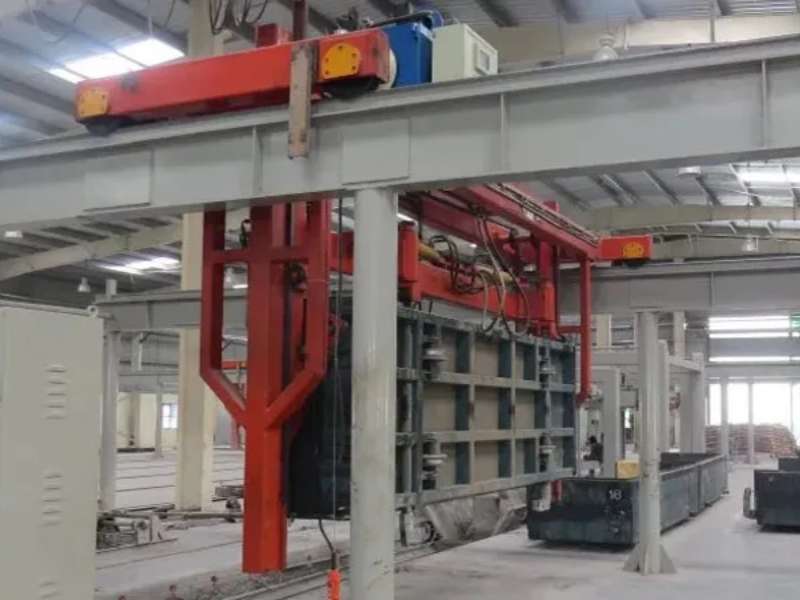
In this project, the client initially focused on equipment purchase rather than process balance.
After commissioning, they faced:
- Uneven production rhythm
- Cutting delays
- Autoclave underutilization
We re-evaluated the entire process flow and adjusted:
- Cutting cycle synchronization
- Material feeding timing
- Autoclave scheduling
After optimization, production stabilized and reached designed capacity.

This project had a different challenge: environmental conditions.
High temperature and humidity affected:
- Slurry stability
- Pre-curing timing
- Material handling consistency
We adjusted:
- Mixing water ratio control
- Pre-curing chamber insulation
- Conveyor speed synchronization
Result:
- Stable production under local climate conditions
- Reduced material waste rate
- Improved daily output consistency
FAQs
Q1: What is the most important part of AAC production?
The cutting system and autoclave system have the highest impact on final quality.
Q2: Can AAC production be fully automated?
Yes, modern plants can reach full automation, but system balance is still essential.
Q3: Why do some plants fail to reach designed capacity?
Usually due to process imbalance, not equipment quality.
Q4: How long does it take to stabilize production?
Typically 1–3 months after commissioning, depending on operator experience.
Q5: Can production be optimized after installation?
Yes, most improvements come from process tuning rather than equipment replacement.
Impianto di calcestruzzo aerato autoclavato correlato




Optimize Your Production Line with Our Engineers
If you are planning an AAC project or facing production instability, the key is not buying new machines—it is understanding how your current system is performing.
When we work with clients, we usually start from:
- Raw material analysis
- Production flow review
- Bottleneck identification
- Capacity matching
Based on this, we can help you define:
- System optimization plan
- Equipment upgrade suggestions
- Efficiency improvement strategy
This approach is usually more effective than replacing individual machines.